Key takeaways:
- Iran states that violations of the ceasefire on any front, including Lebanon, breach the entire agreement with the US.
- Israel has ordered strikes on southern Beirut suburbs and advanced deeper into southern Lebanon since the ceasefire began.
- Iran has suspended indirect negotiations with the US and threatened to activate new fronts, including closing the Strait of Hormuz, if Israeli attacks persist.
Iran has warned that Israeli military actions in Lebanon and Gaza threaten the ceasefire agreement with the United States. Iranian Foreign Minister Abbas Araghchi emphasized that the ceasefire, effective since April 8, covers all fronts including Lebanon. “Its violation on one front is a violation of the ceasefire on all fronts,” Araghchi said, holding the US and Israel responsible for any consequences.
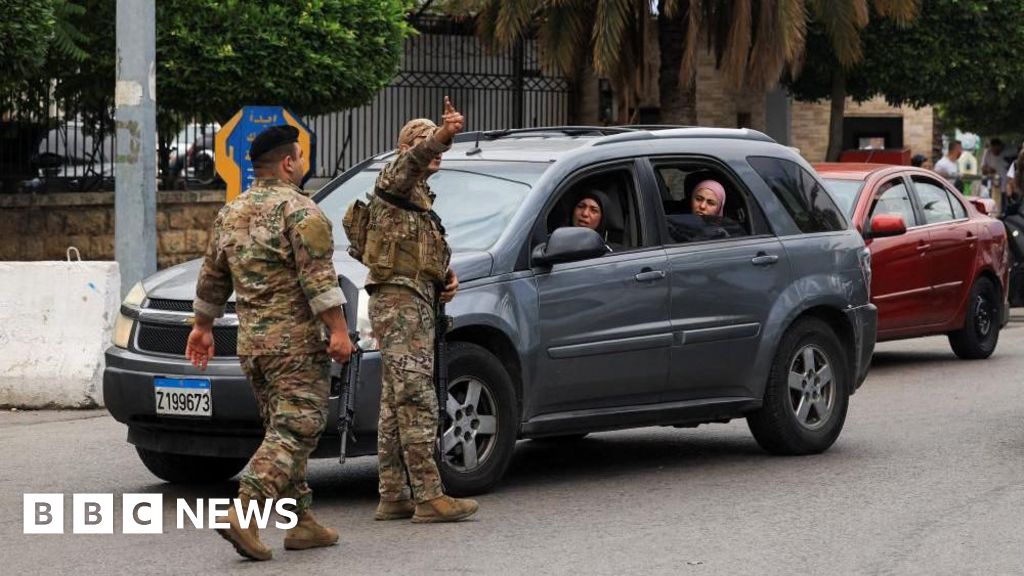
The warning comes as Israeli Prime Minister Benjamin Netanyahu ordered strikes on “terror targets” in the southern suburbs of Beirut, known as Dahieh, in response to Hezbollah rocket and drone attacks on Israeli civilians. Israeli ground forces have advanced deeper into southern Lebanon, reaching their furthest point in 26 years. The Israeli military has conducted strikes on Beirut twice since the ceasefire began, most recently on Thursday.
Iranian Parliament Speaker and chief negotiator Mohammad Bagher Ghalibaf condemned the naval blockade and escalation of military actions in Lebanon as evidence of US noncompliance with the ceasefire. “Every choice has a price, and the bill comes due,” he wrote on social media.
The semi-official Iranian Tasnim news agency, affiliated with the Islamic Revolutionary Guard Corps (IRGC), reported that Tehran has suspended indirect negotiations with the US due to ongoing hostilities. It also stated that Iran and its allies would “activate other fronts, including the Bab al-Mandab Strait” at the entrance of the Red Sea. The IRGC warned that crossing red lines in Lebanon and Gaza would be considered a direct act of war and threatened to keep the Strait of Hormuz closed unless Israeli military actions ceased.
State television in Iran indicated a high probability that the ceasefire with the US could end if Israel does not halt its offensive in Lebanon. The US has sought to separate the conflict in Lebanon from broader negotiations with Iran, which has long supported Hezbollah ideologically, militarily, and financially. However, Tehran insists that any agreement must include peace in Lebanon.
Tensions between Iran and the US escalated over the weekend in the Strait of Hormuz, with the US striking Iranian military sites and Iran retaliating by targeting a US base in Kuwait. The exchange of strikes contributed to a rise in global oil prices, with Brent crude jumping nearly $5 to $97.44 a barrel. The ongoing conflict has significantly disrupted shipping through the Strait of Hormuz, a critical passage for about a fifth of the world’s oil and liquefied natural gas supplies.
US President Donald Trump has maintained that negotiations with Iran are progressing toward a permanent deal, urging critics to allow the process to continue. “Just sit back and relax, it will all work out well in the end – It always does!” he wrote on his Truth Social platform.
The situation remains volatile as Israeli military actions in Lebanon and Gaza continue, with Iran signaling that any further escalation could jeopardize the fragile ceasefire and ongoing diplomatic efforts.





Be First to Comment