Key takeaways:
- Starbucks Korea’s campaign promoting a tumbler called a 'tank' on May 18, the anniversary of the 1980 Gwangju crackdown, sparked public outrage.
- Shinsegae Group chairman Chung Yong-jin apologized twice and fired Starbucks Korea’s CEO over the controversial campaign.
- The company is cooperating with a police investigation after complaints from families of Gwangju victims and has removed five employees involved in the campaign.
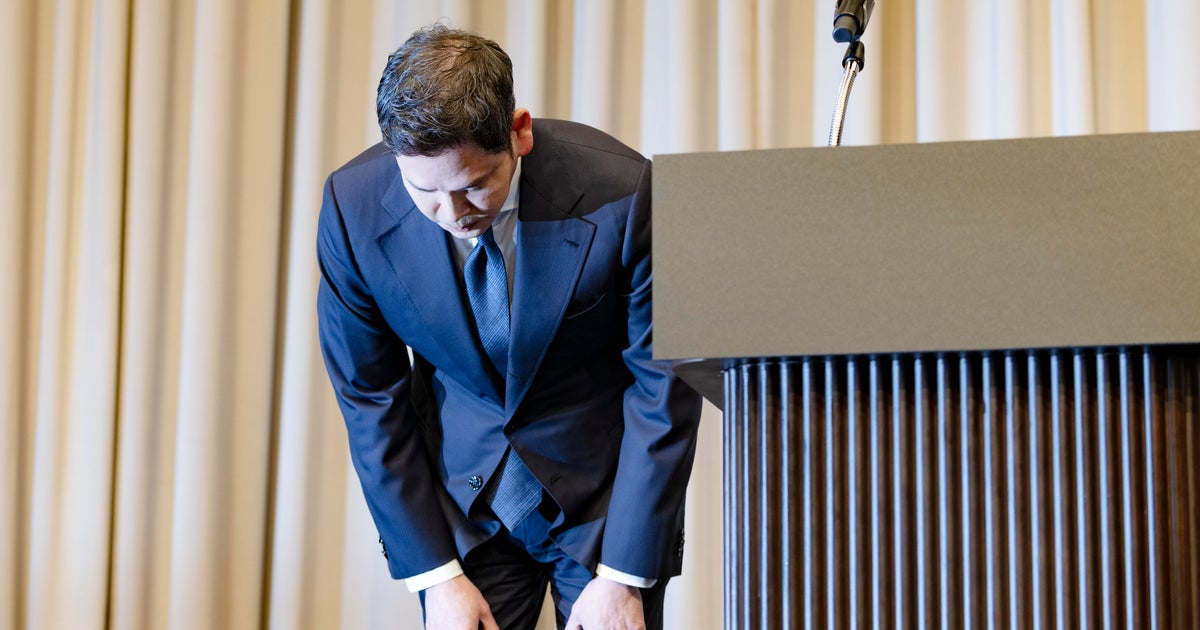
Chung Yong-jin, chairman of Shinsegae Group which holds a majority stake in Starbucks Korea, issued a second public apology Tuesday amid ongoing backlash over a marketing campaign that many South Koreans viewed as insensitive to victims of the 1980 Gwangju pro-democracy crackdown. The campaign promoted a large drink tumbler called a “tank” and designated May 18 as “Tank Day,” coinciding with the anniversary of the Gwangju uprising, where hundreds of democratic activists were killed or injured by military forces using troops, tanks, and helicopters.
The controversy intensified due to the campaign’s slogan, “Thwack it on the table!,” which evoked a 1987 police claim that student activist Park Jong-chol died suddenly after investigators “hit the desk with a thwack,” a statement widely regarded as a cover-up of his torture death. The promotion sparked immediate outrage, leading Shinsegae to cancel the campaign and fire Starbucks Korea’s CEO, Sohn Jeong-hyun.
In a televised statement, Chung bowed three times and expressed remorse, saying, “All members of the Shinsegae Group, including myself, will remember the history and sacrifices of our society and strive to deeply understand and respect the feelings of the people.” He also urged the public not to direct their anger at Starbucks employees, emphasizing that responsibility lies with management.
Despite the apology and leadership changes, public anger has persisted. Government officials, including Interior and Safety Minister Yoon Ho-jung, announced they would no longer use Starbucks products at official events, condemning the campaign as “anti-historical behavior.” President Lee Jae Myung criticized the campaign on social media, calling it “inhumane and disgraceful behavior by cheap profiteers who deny the values of the South Korean community, basic human rights and democracy.”
The Shinsegae Group stated that no conclusive evidence has emerged that marketing employees intended to mock the pro-democracy movement, though three employees refused to surrender their smartphones during an internal investigation. The company said it had removed five employees involved in the campaign and is cooperating with a police inquiry launched after complaints from families of Gwangju victims. Shinsegae warned that any employee found to have acted with intent to ridicule protesters would be immediately dismissed and held fully accountable both civilly and criminally.
The controversy has sparked protests, including an event in Gwangju where a few dozen people smashed Starbucks cups on the ground. The Democratic Party of South Korea said Chung’s apology was necessary but insufficient, stating that Shinsegae must transparently disclose investigation results and sincerely cooperate in additional investigations. Meanwhile, the conservative People Power Party criticized the backlash as “consumer censorship” and “selective outrage,” also referencing a South Korean actor who was fired from a show over a social media post showing him at a Starbucks store.
Experts note the incident highlights the importance of cultural and historical sensitivity for global brands operating abroad. Kim You Kyung, a media professor at Hankuk University of Foreign Studies, called the timing “extremely bad” and noted that Starbucks is one of the most loved brands in South Korea, which contributed to the public’s disappointment. He said the uproar should serve as a wake-up call for companies to respect local histories.
Some consumers, like university student Kim Young Jin, acknowledged the apology but felt the public reaction had become excessive, stating that the promotion would not deter him from visiting Starbucks.
The Gwangju crackdown, which followed a military coup in 1979, remains a deeply sensitive chapter in South Korea’s history, with official records citing about 200 deaths but activists claiming higher numbers. Public anger over Chun Doo-hwan’s dictatorship led to massive nationwide protests in 1987, forcing constitutional revisions that introduced direct presidential elections and are widely seen as the start of South Korea’s transition to democracy.






Be First to Comment