Key takeaways:
- President Trump announces a pause in Project Freedom as progress is made toward a final agreement with Iran.
- Iran launched missile and drone attacks on the UAE for two consecutive days, wounding workers and targeting commercial vessels.
- U.S. military security teams aboard commercial ships successfully defended against Iranian attacks during transit through the Strait of Hormuz.
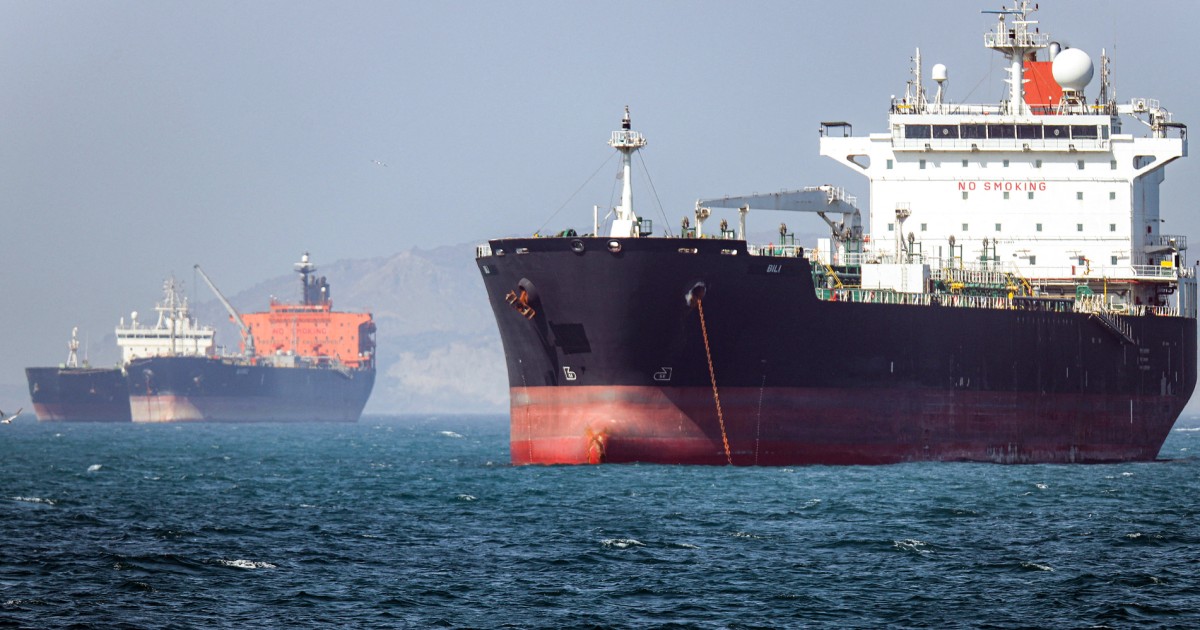
The United States has paused its military operation known as Project Freedom, which aimed to escort commercial ships through the Strait of Hormuz, as diplomatic talks with Iran show signs of progress. President Donald Trump announced the pause Tuesday, stating that while the U.S. blockade remains in place, the temporary halt will allow time to finalize a potential agreement with Iranian representatives.
Project Freedom began Monday following a series of Iranian attacks on commercial and military vessels transiting the strategic waterway. Two U.S. commercial ships carrying military security teams were targeted by Iranian missiles, drones, and armed small boats, but U.S. forces successfully intercepted the attacks, destroying the small boats, according to Pentagon officials. Captain Tim Hawkins of U.S. Central Command described the military presence as a “protective security bubble” providing multiple defensive layers for the vessels.
Secretary of Defense Pete Hegseth said Tuesday that despite renewed Iranian missile and drone attacks on the United Arab Emirates for a second consecutive day, the ceasefire between the U.S. and Iran “certainly holds” for now. He emphasized that only President Trump can decide if the ceasefire ends. “Ultimately, the president is going to make a decision whether anything were to escalate,” Hegseth said.
Secretary of State Marco Rubio confirmed that the offensive military operation dubbed Operation Epic Fury has concluded and that the U.S. has transitioned to Project Freedom, which he described as a defensive operation. “There’s no shooting unless we’re shot at first,” Rubio said, adding, “We’re not attacking them.”
Iran has warned that any ships diverging from its declared corridor through the Strait of Hormuz will face a “firm response” from the Revolutionary Guard navy. The Iranian Foreign Ministry denied hostility toward Gulf Arab countries but criticized their reliance on U.S. military presence, calling it the “only source of insecurity” in the region.
The United Arab Emirates reported missile and drone attacks originating from Iran on Monday and Tuesday, including a strike that wounded at least three workers at the Fujairah industrial complex. The UAE’s Ministry of Defense said its air defenses were actively engaging incoming threats.
Meanwhile, a cargo ship owned by a French firm was reportedly hit by a possible land-attack cruise missile near Dubai, injuring several Filipino crew members. The U.K. Maritime Trade Operations Centre noted multiple incidents involving vessels in the Gulf region since Sunday.
The U.S. and Gulf allies have proposed a United Nations Security Council resolution threatening Iran with sanctions if it does not halt attacks on ships, stop imposing “illegal tolls,” and disclose mine placements to ensure freedom of navigation. Secretary Rubio called Iran’s actions “holding the world’s economy hostage” and said the resolution would test the U.N.’s ability to address global problems.
Israel has also expressed readiness to respond forcefully to any Iranian aggression. Israel’s military chief, Lt. Gen. Eyal Zamir, stated the Israel Defense Forces remain on high alert and prepared to act against threats from Iran. The new Israeli air force chief said the entire fleet of fighter jets could be deployed eastward if necessary.
President Trump reiterated his reluctance to send U.S. forces into Iran, urging Tehran to “do the smart thing” and avoid further conflict. He also indicated that Iran would be a topic during his upcoming visit to China.
Despite the ongoing tensions and attacks, U.S. military leaders maintain that Iran has not yet crossed the threshold to reignite full-scale bombing campaigns. Chairman of the Joint Chiefs of Staff Gen. Dan Caine said that determination is a political decision beyond his authority.
The situation in the Strait of Hormuz remains volatile, with over 1,500 vessels and approximately 22,500 mariners trapped inside the Persian Gulf, according to Gen. Caine. Both sides continue to monitor developments closely as diplomatic efforts proceed alongside military preparedness.







Be First to Comment