Key takeaways:
- Iran declared the Strait of Hormuz "completely open" for commercial vessels during a ceasefire between Israel and Lebanon.
- U.S. crude oil prices dropped as much as 11.4% to $83.85 per barrel, with Brent crude falling 9% to $90.38 per barrel.
- Global stock markets rallied, with the S&P 500, Dow Jones, and Nasdaq reaching record highs following the announcement.
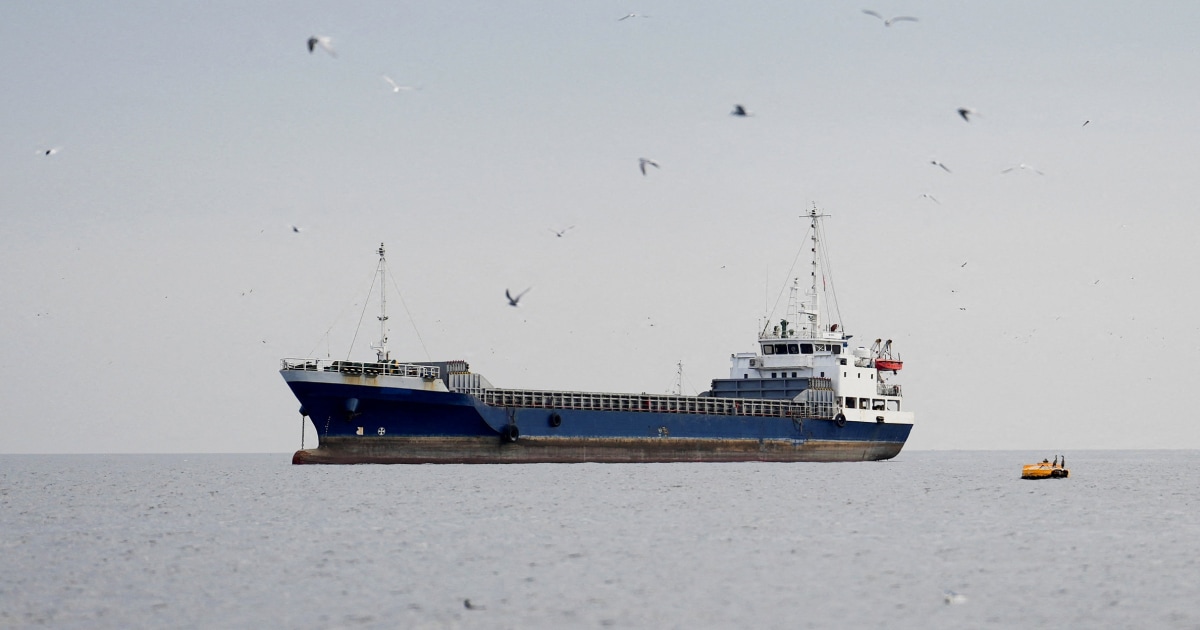
Oil prices plunged sharply on Friday following Iran’s announcement that the Strait of Hormuz is “completely open” for commercial vessels amid a ceasefire between Israel and Lebanon. U.S. crude oil fell by as much as 11.4% to $83.85 per barrel, marking its lowest level since March 10, while Brent crude dropped 9% to $90.38 per barrel. This represents the second largest one-day decline in oil prices since the conflict in the Middle East began in late February.
Iran’s Foreign Minister Seyed Abbas Araghchi posted on X, “In line with the ceasefire in Lebanon, the passage for all commercial vessels through Strait of Hormuz is declared completely open for the remaining period of ceasefire, on the coordinated route as already announced by Ports and Maritime Organisation of the Islamic Rep. of Iran.” It remains unclear whether the “coordinated route” implies ships must pay tolls to Iran, as some vessels reportedly have in recent weeks, or whether ships will trust the announcement given recent threats and attacks in the region.
President Donald Trump responded positively to the news on his social media platform, stating, “IRAN HAS JUST ANNOUNCED THAT THE STRAIT OF IRAN IS FULLY OPEN AND READY FOR FULL PASSAGE. THANK YOU!” However, he added that the U.S. naval blockade on Iranian ports and vessels will continue “until such time as our transaction with Iran is 100% complete.”
The drop in oil prices also translated into relief for U.S. motorists. Average gasoline prices fell to $4.08 per gallon on Friday, down from a peak of $4.17 on April 9, according to AAA data. GasBuddy analyst Patrick De Haan projected that fuel prices could decline further to between $3.65 and $3.85 per gallon over the weekend.
Since the war began on February 28, oil prices had surged by 25%, with U.S. crude briefly nearing $120 per barrel due to disruptions in traffic through the Strait of Hormuz, a critical passage for one-fifth of the world’s oil supply.
The announcement also buoyed global stock markets. The S&P 500 rose 1.2% to close at 7,126, the Dow Jones Industrial Average gained 869 points (1.8%) to 49,447, and the Nasdaq Composite climbed 1.5%, all reaching record highs. The Russell 2000 index increased by 2.1%, marking the third consecutive week of gains for major U.S. indexes. European markets rallied as well, with Germany’s DAX up 2.2%, France’s stocks rising 2%, and the U.K.’s FTSE 100 increasing nearly 1%.
European leaders cautiously welcomed the news. The European Union’s top diplomat, Kaja Kallas, emphasized that “transit through waterways like the Strait of Hormuz must remain open and free of charge,” warning that any toll system would set a dangerous precedent. French President Emmanuel Macron and U.K. Prime Minister Keir Starmer, who were attending a summit at the time, also supported reopening the strait without tolls or restrictions. Macron stressed the need for a neutral and independent party to secure the strait.
Shipping companies responded with caution. Maersk stated it has followed security guidance to avoid the strait since the conflict began and will base any transit decisions on risk assessments. Hapag-Lloyd noted unresolved issues such as insurance coverage and clear orders from Iranian authorities remain, but its crisis committee is working to resolve these within 24 to 36 hours. The company expressed willingness to resume passage once all concerns are addressed.
U.S. officials indicated that negotiations with Iran could resume soon, with sources saying talks might take place in Pakistan within days. However, an Iranian foreign ministry spokesperson denied plans to transfer enriched uranium to the U.S., contradicting President Trump’s claim that Iran had “agreed to everything” regarding uranium removal. Meanwhile, the U.S. Central Command reported that 19 vessels had complied with orders to turn back to Iran since the blockade began earlier this week.







Be First to Comment