Key takeaways:
- Only about a dozen ships passed through the Strait of Hormuz in the first two days after the US-Iran ceasefire, compared to a prewar daily average of over 100 vessels.
- Iran has imposed conditions on transit, including requiring permission and suggesting fees, while releasing a map indicating possible mines and designated shipping lanes.
- European and Gulf leaders have called for unrestricted access to the strait, and the EU is planning a mission to escort ships once calm is restored.
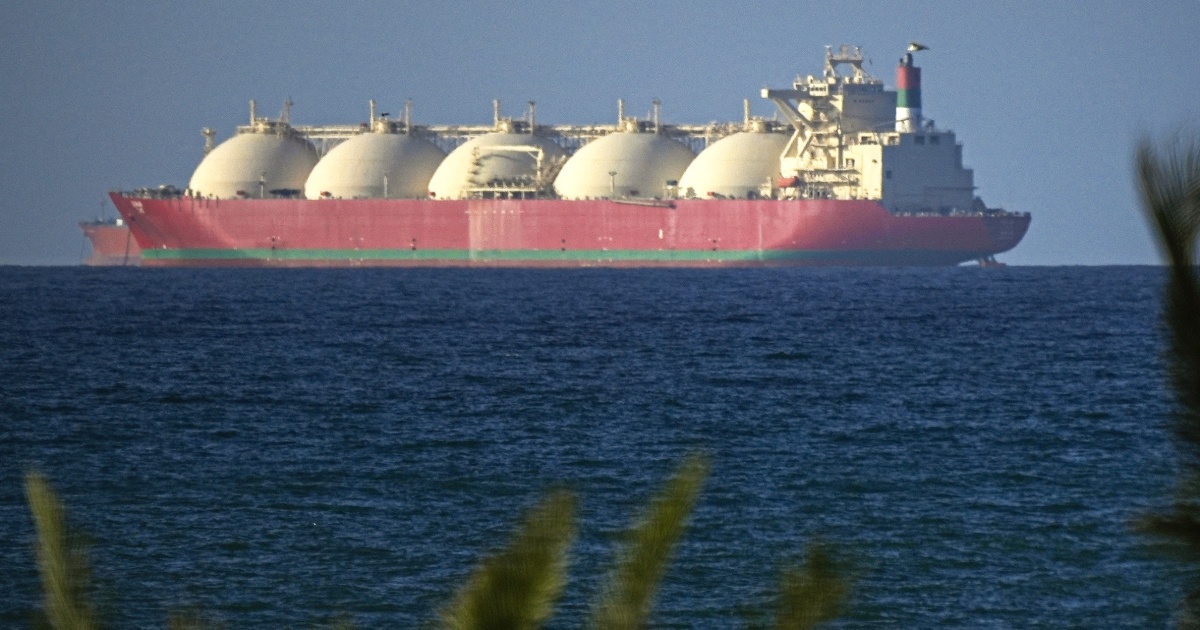
Traffic through the Strait of Hormuz remains significantly reduced following the ceasefire agreement between the United States and Iran, with only a handful of ships passing through the vital waterway in the first days after the truce. Marine transit data shows that just about a dozen vessels crossed the strait in the first two days after the ceasefire was announced, far below the prewar average of more than 100 ships daily.
The Strait of Hormuz is a crucial maritime passage, responsible for shipping roughly 20% of the world’s oil supply. Prior to the conflict, the United Nations’ Trade and Development organization reported an average of 129 vessels passing through the strait daily in February. However, since the outbreak of war on February 28, traffic sharply declined, with an average of six ships per day in March and a slight increase to about 10 ships daily in early April.
Only three oil or chemical tankers have passed through since the ceasefire began, all on Thursday, and all are under U.S. sanctions for previously shipping Iranian oil. One tanker carried approximately 1 million barrels of oil, while another was not loaded. This volume is a fraction of the usual shipments, which amount to about 15 million barrels per day, or roughly one-third of the world’s seaborne crude, according to Matt Smith, lead oil analyst at Kpler.
Despite the ceasefire, uncertainty persists. Early Wednesday, an Iranian military-linked news agency reported that traffic through the strait would be suspended in response to Israeli attacks on Hezbollah in Lebanon. White House Press Secretary Karoline Leavitt disputed this claim, stating that the Lebanon conflict was not part of the ceasefire agreement. Vice President JD Vance acknowledged a “legitimate misunderstanding” about the ceasefire terms. Leavitt emphasized, “We have seen an uptick of traffic in the strait today,” and reiterated the president’s demand that the strait be reopened “immediately, quickly and safely.”
Iran has insisted that vessels must secure its permission to transit the strait and has suggested it may impose fees for passage. The Iranian navy released a map indicating possible mining of the strait and designated specific shipping lanes closer to Iran’s mainland than usual. A large portion of the strait is marked as “hazardous.” Saeed Khatibzadeh, Iran’s deputy foreign minister, told ITV News, “We have to be very careful for the security and safety of tankers and vessels.”
This stance contrasts with U.S. officials who have asserted that the strait has reopened. Regional leaders have expressed frustration over the restrictions. Sultan Al Jaber, CEO of Abu Dhabi’s national oil company, stated, “The Strait of Hormuz is not open. Access is being restricted, conditioned and controlled.” European leaders, including Italian Prime Minister Giorgia Meloni, have called for the full restoration of freedom of movement without restrictions.
The European Union is reportedly finalizing plans for a mission to escort ships through the strait once calm is restored, according to French Foreign Minister Jean-Noël Barrot. However, how this mission would interact with Iran’s position remains unclear.
Maritime law experts have questioned the legality of Iran’s proposed toll system. John Stawpert of the International Chamber of Shipping said charging fees would be “an extreme outlier” and must respect maritime law and freedom of navigation. Iran has not ratified the United Nations Convention on the Law of the Sea, complicating legal interpretations. Experts also note that Oman, which shares territorial waters in the strait, is obligated to allow uninterrupted transit and is unlikely to cooperate with Iran’s toll plans.
The ongoing uncertainty affects shipping companies and crews. Jakob Larsen of BIMCO noted that ships trapped in the Persian Gulf are eager to leave once safe passage is assured. Seafarers like Rex Pereira, stranded for over a month on an oil tanker near the strait, have faced long waits and dangerous conditions. Pereira recently secured emergency visas and traveled over 48 hours to reunite with his family in Mumbai, describing the desire of many seafarers to return home amid the conflict.
Oil prices have risen above $100 a barrel as initial optimism about the truce gave way to uncertainty over the strait’s status and the broader regional situation.








Be First to Comment