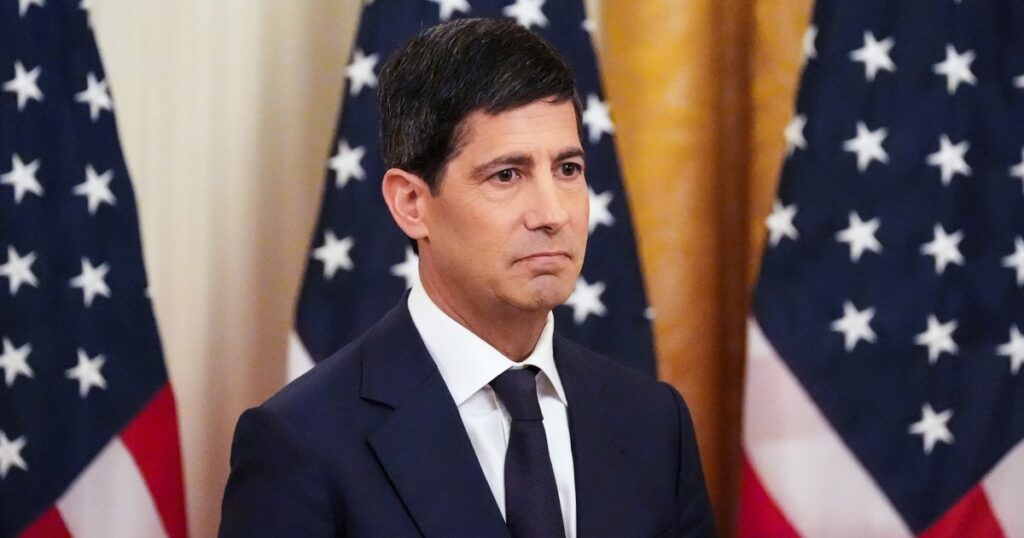
Kevin Warsh chairs his first Federal Reserve rate meeting as inflation rises and energy prices remain elevated after the U.S.-Iran conflict. Investors will watch the policy statement, news conference and dot plot for signs of the new chairman’s approach.
Posts tagged as “Agency for Toxic Substances and Disease Registry”
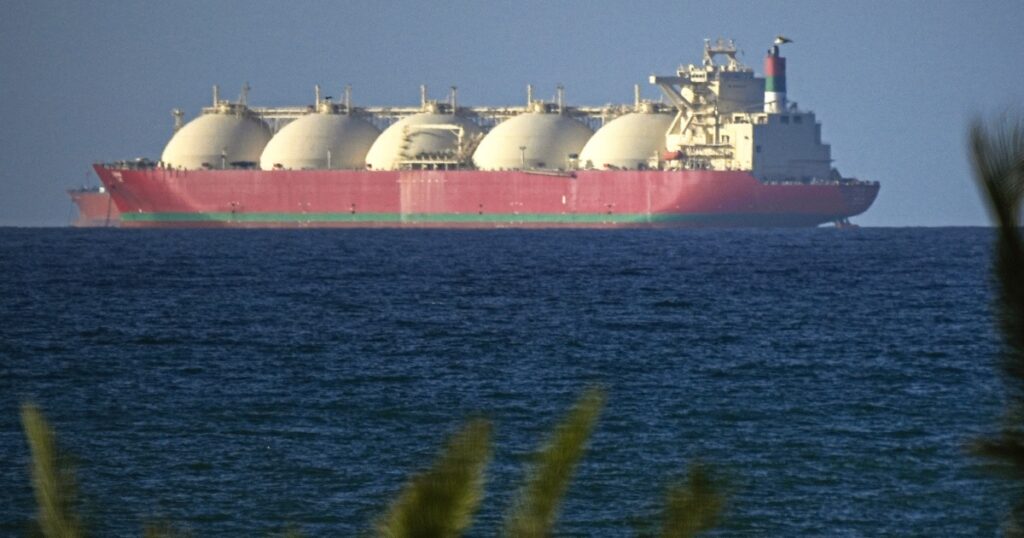
Despite a ceasefire between the US and Iran, traffic through the Strait of Hormuz remains far below normal levels, with only a handful of ships passing through the crucial oil shipping route. Iran’s restrictions and regional tensions continue to complicate safe passage.
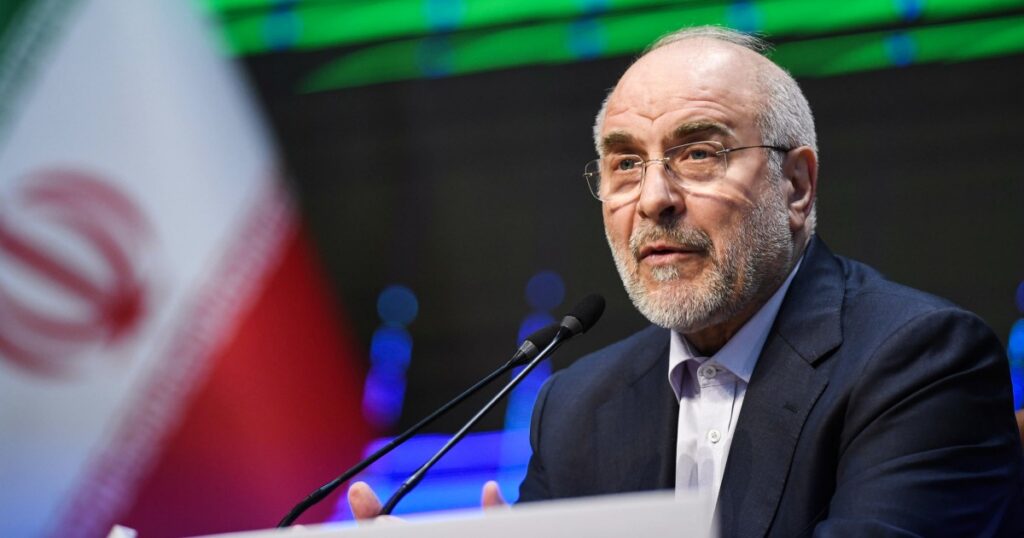
Tensions in the Strait of Hormuz remain high as Iran rejects U.S. claims of progress in negotiations and continues to enforce a blockade, turning back commercial ships and imposing hefty transit fees that violate international law. The situation has drawn condemnation from Gulf neighbors and global markets have reacted negatively, with rising oil prices and falling stock markets amid uncertainty. Internally, Iran’s leadership has shifted toward a hard-line, military-dominated faction led by figures like Mohammad Bagher Ghalibaf and Ahmad Vahidi, signaling a tough stance in any potential talks with the U.S.
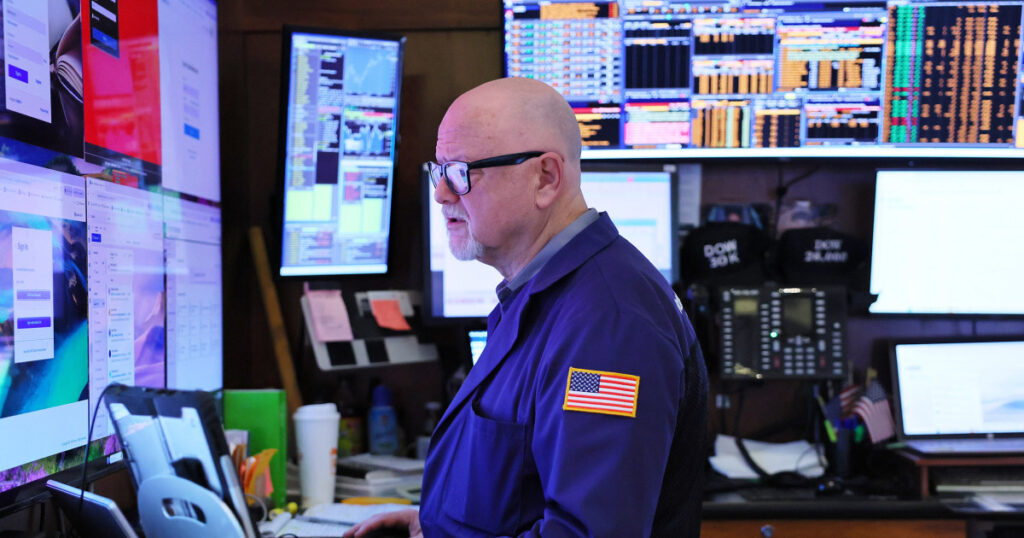
President Donald Trump has temporarily suspended his administration's "reciprocal tariffs" for 90 days in response to recent financial market turbulence and concerns about market volatility. This decision reflects a broader historical pattern where U.S. presidents adjust economic strategies based on feedback from financial markets, particularly when bond investors express alarm over perceived fiscal irresponsibility. The suspension underscores the complex relationship between government policy and market dynamics, highlighting the importance of stability and predictability in maintaining investor confidence.
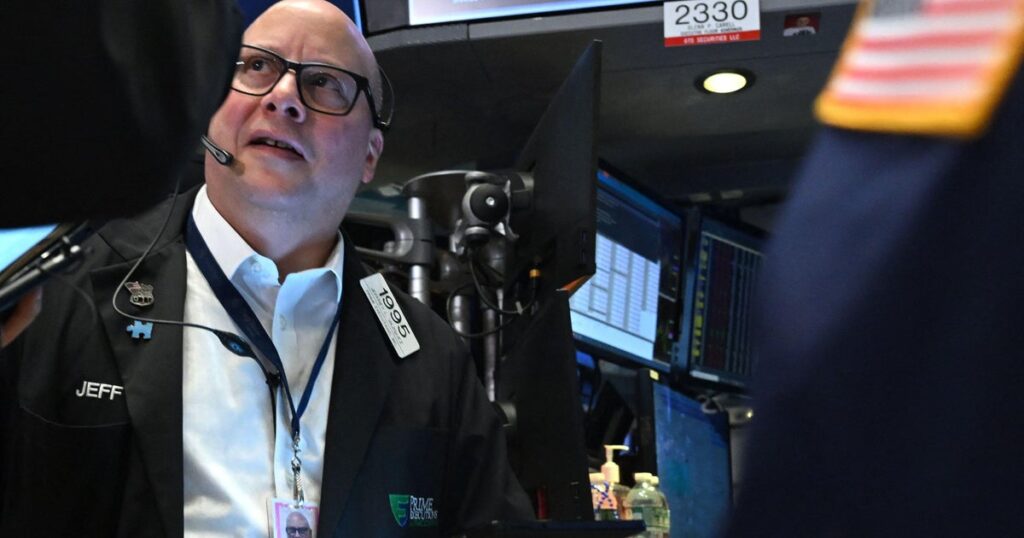
Recent market volatility has been significantly influenced by President Donald Trump's unpredictable policy decisions, leading to investor concerns about the sustainability of future market rallies. The situation has been exacerbated by China's announcement of additional countermeasures in response to the U.S. imposing a higher-than-expected tax on Chinese imports, which has accelerated stock market losses and affected the bond market. UBS strategist Bhanu Baweja and other analysts highlight the ongoing trade war as a threat to the economy, with recent fluctuations partially reversing historic stock gains and contributing to broader economic uncertainty.

On October 4th, the Federal Emergency Management Agency (FEMA) and the Federal Communications Commission (FCC) will conduct a nationwide test of the Emergency Alert System (EAS) and Wireless Emergency Alerts (WEA). The test will be broadcast to cellphones, televisions, and radios, and is intended to ensure that the EAS and WEA are operating effectively. No action is required from the public during the test, which is expected to last approximately one minute.
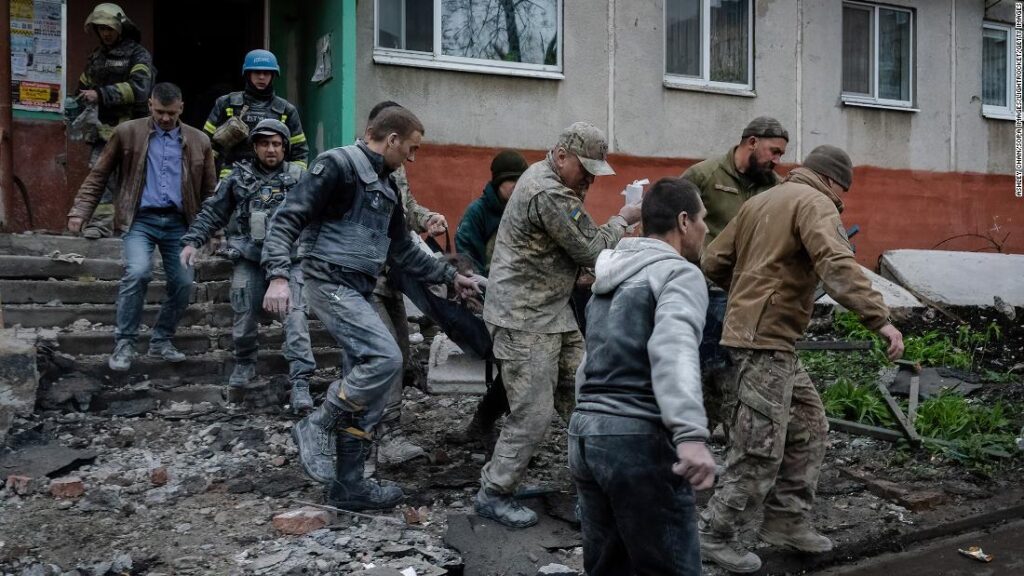
China and Russia have both taken steps to end the conflict in Ukraine, with China sending an envoy to discuss a possible "political settlement" and Russia praising a framework proposed by China and Brazil. Chinese President Xi Jinping and Russian Foreign Minister Sergey Lavrov have both expressed their support for a peaceful resolution to the conflict, which has been ongoing since 2014. It is hoped that the Chinese envoy's visit will help to bring an end to the conflict.
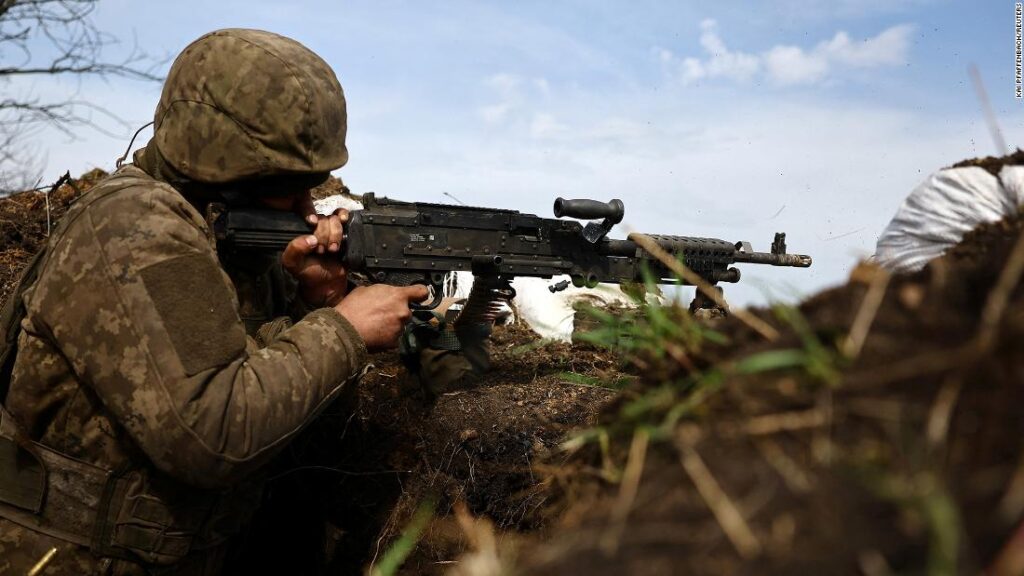
Russian prosecutors have requested a 25-year prison sentence for Kremlin critic Vladimir Kara-Murza, in a case widely condemned by international human rights organizations. Kara-Murza has been a vocal opponent of President Vladimir Putin and has been arrested multiple times for his activism against the government. The sentencing request comes amid escalating tensions between Russia and Ukraine, with Chinese President Xi Jinping expressing willingness to speak to Ukrainian President Volodymyr Zelenskyy.