Key takeaways:
- A U.S. airman missing after an F-15E was shot down in Iran was rescued in a mission deep inside Iranian territory.
- President Trump threatens to destroy Iranian power plants and bridges if the Strait of Hormuz is not reopened by Tuesday evening.
- Iran condemns U.S. threats as war crimes and warns of escalating attacks on civilian infrastructure if targeted.
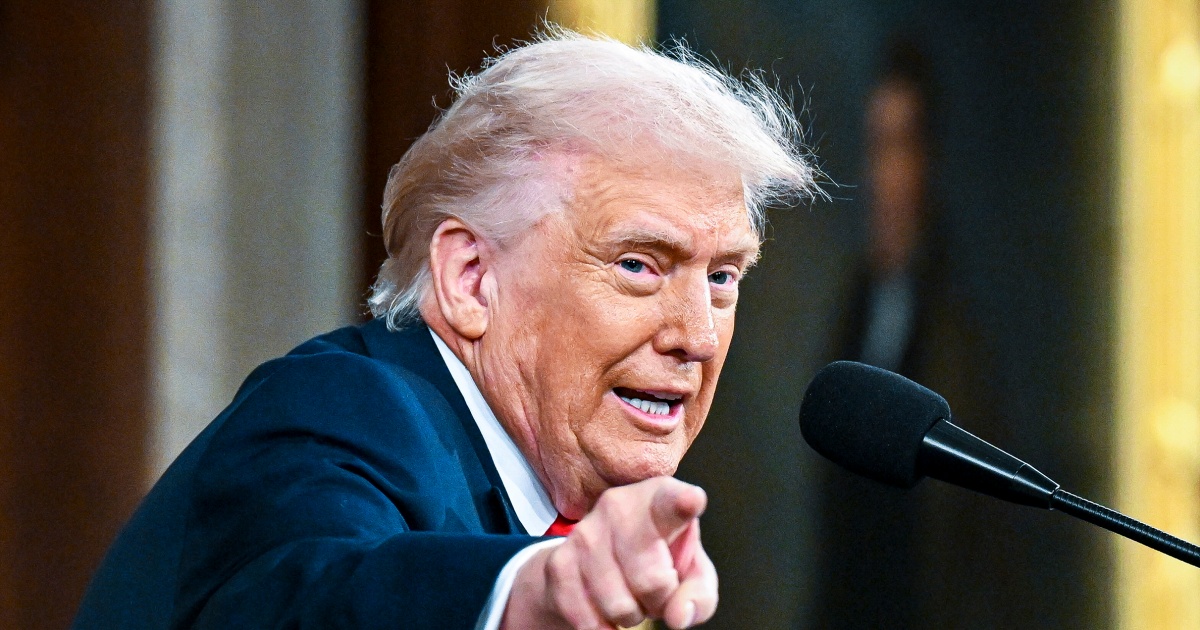
A U.S. airman who went missing after an F-15E fighter jet was shot down over Iran was rescued early Sunday in a daring mission deep inside the mountains of Iran, President Donald Trump announced. The pilot of the two-person aircraft had been rescued earlier on Friday. Trump described the rescued crew member as “seriously wounded, and really brave,” and called the rescue an “Easter Miracle.” He said the Iranian military was searching in large numbers but failed to find the airman, a highly respected colonel.
Trump warned Iran that if it does not reopen the Strait of Hormuz by Tuesday evening, the U.S. will destroy “every power plant” and “every bridge” in the country. He posted on Truth Social: “Tuesday, 8:00 P.M. Eastern Time!” and declared, “Open the F*‘ Strait, you crazy bastards, or you’ll be living in Hell – JUST WATCH!” The Strait of Hormuz is a vital waterway through which about one-fifth of the world’s oil passes.
Iran rejected Trump’s threats, with its mission to the United Nations calling the president’s statements “a direct and public incitement to terrorise civilians and clear evidence of intent to commit war crime.” Iran’s parliament speaker, Mohammad-Bagher Ghalibaf, said Trump’s “reckless moves are dragging the United States into a living HELL for every single family.” Iran’s joint command also threatened to escalate attacks on oil and civilian infrastructure if the U.S. and Israel strike Iranian facilities.
Retired Gen. Frank McKenzie, former commander of U.S. Central Command, said the U.S. has the capability to reopen the Strait of Hormuz through air and naval campaigns without necessarily deploying ground troops, which would likely be limited to raids. He described the ongoing campaign as “moving very effectively” and said Iran would find it increasingly difficult to launch missiles and rockets. McKenzie called the rescue mission a “hard lesson for Iran,” noting Tehran’s failure to locate the missing airman despite broad appeals to its population.
The rescue mission was praised by Israeli officials, with Prime Minister Benjamin Netanyahu calling it “incredible” and Defense Minister Israel Katz highlighting the close cooperation between Israel and the U.S. The U.S. president plans to hold a press conference with military officials on Monday to discuss the rescue.
Meanwhile, Iran has largely blocked shipping through the Strait of Hormuz, allowing only some vessels, including Iraqi oil tankers, to pass. Iraq’s foreign minister thanked Iran for permitting the transit. Oman also held talks with Iran to discuss ensuring the smooth flow of transit through the strait.
The conflict has led to increased Iranian drone and missile attacks on U.S.-allied countries in the Gulf. The United Arab Emirates, Kuwait, Bahrain, Saudi Arabia, and Israel have reported intercepting numerous Iranian drones and missiles targeting critical infrastructure.
President Trump told Fox News he believes a deal with Iran could be reached by Monday but warned that if not, he is “considering blowing everything up and taking over the oil.” He also claimed the U.S. supplied guns to Iranian protesters earlier this year through Kurdish intermediaries.
The ongoing tensions have caused global energy and shipping costs to rise, with significant impacts expected on poorer, import-dependent countries. Iran denies direct negotiations with the U.S. and rejects calls for a ceasefire, though both sides acknowledge indirect communications through intermediaries.
The situation remains volatile as the U.S. continues military operations against Iran, with 365 American service members reported injured so far. The international community watches closely amid warnings of escalating conflict and potential war crimes related to attacks on civilian infrastructure.









Be First to Comment