Key takeaways:
- President Trump indicated that U.S. military operations against Iran could end within two to three weeks, leading to lower oil prices and rising stock markets amid hopes for de-escalation.
- Trump expressed frustration with NATO allies over their lack of support in the Iran conflict and suggested the U.S. might consider withdrawing from NATO, raising concerns among member states.
- Pakistan is playing a key mediating role in U.S.-Iran tensions by offering to host peace talks, though its ongoing conflict with Afghanistan poses challenges to its diplomatic efforts.
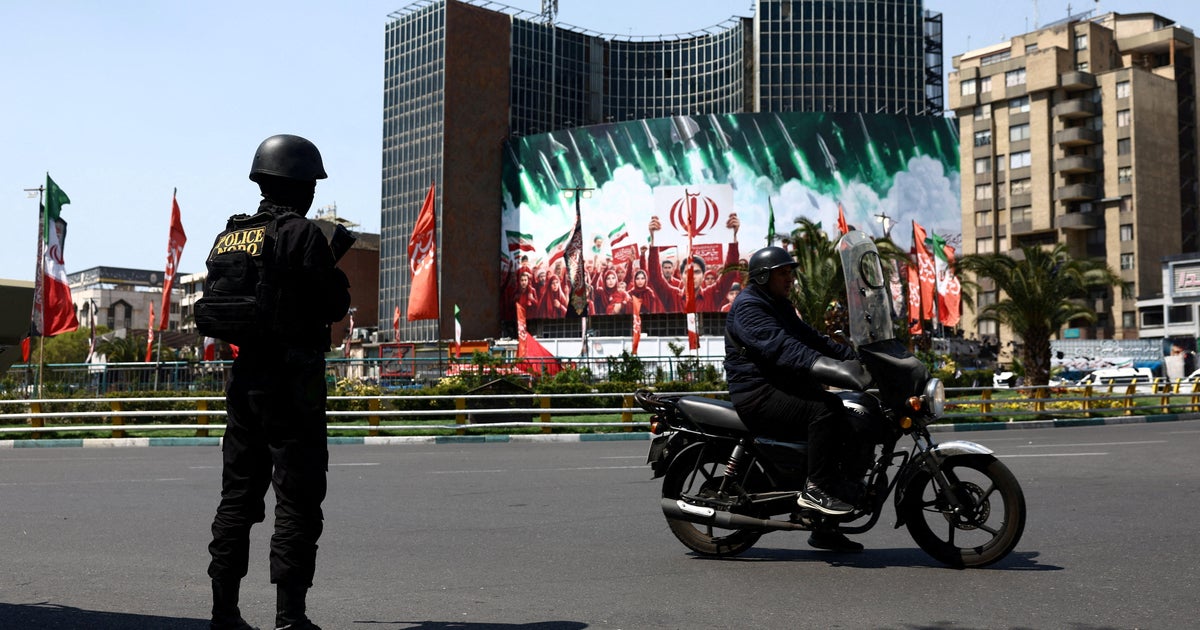
President Donald Trump has indicated that U.S. military operations against Iran could end within two to three weeks, a development that has been met with relief in global markets. Speaking ahead of a scheduled address, Trump suggested that the United States might conclude its involvement without reopening the Strait of Hormuz, a critical maritime chokepoint currently under Iranian control. This announcement contributed to a decline in oil prices, with Brent crude falling below $100 per barrel, and a rise in stock markets across Asia and Europe. Despite Iran’s threats to target U.S. technology companies and warnings about the economic consequences of Tehran’s control over the strait, investors responded positively to the prospect of de-escalation.
In a separate but related development, Trump told Britain’s Telegraph newspaper that he might consider withdrawing the United States from the NATO alliance, citing frustration with European allies who have declined to join the U.S.-Israeli campaign against Iran. Trump described NATO as a “paper tiger” and criticized its members for not supporting the war effort. However, any move to exit NATO would require Senate approval, including a two-thirds majority vote. This statement has raised concerns among NATO members, especially as they continue to support Ukraine amid Russia’s ongoing invasion. Russian President Vladimir Putin, who opposes NATO’s expansion, is likely to view Trump’s comments favorably.
Meanwhile, Pakistan has emerged as a key player in efforts to mediate the conflict between the U.S. and Iran. Islamabad has offered to host peace talks, with Foreign Minister Ishaq Dar stating that Pakistan has the “full support” of regional powers such as Saudi Arabia, Turkey, Egypt, and China. Pakistan has already facilitated the delivery of a U.S. ceasefire proposal to Tehran, although Iran has expressed skepticism about the talks. President Trump has acknowledged “great progress” toward negotiations, though Iran denies that formal discussions are underway. Pakistan’s strategic position, good relations with all five permanent members of the U.N. Security Council, and current membership on the council itself, give it a unique role in facilitating dialogue.
However, Pakistan faces significant challenges on its own borders. While seeking to mediate the Iran conflict, it is engaged in intense fighting with Afghanistan, a conflict that has resulted in civilian casualties and heightened tensions. The Afghan government has accused Pakistan of shelling civilian areas, while Pakistan denies targeting non-military sites and blames Afghanistan for harboring militants responsible for attacks within Pakistan. The conflict threatens regional stability, complicating Pakistan’s diplomatic efforts. Analysts note that Pakistan’s ambitions to broker peace in the Middle East could be undermined by its internal and regional instabilities, but successful mediation would enhance its standing internationally and within the Islamic world.








Be First to Comment