Key takeaways:
- Over 3,500 U.S. troops, including 2,500 Marines aboard the USS Tripoli, have been deployed to the Middle East amid escalating conflict with Iran, with additional ships and forces sent to strengthen U.S. military presence.
- Iran has launched missile and drone attacks on Saudi Arabia, injuring U.S. troops and disrupting global oil exports and maritime trade, while Iranian-backed Houthi rebels have expanded the conflict by targeting Israel.
- Despite rising tensions and military preparations, diplomatic efforts continue with the U.S. proposing a peace plan rejected by Iran, while both sides maintain readiness for further conflict and negotiations remain uncertain.
More than 3,500 U.S. troops, including approximately 2,500 Marines aboard the USS Tripoli, have arrived in the Middle East amid escalating conflict involving Iran. The USS Tripoli, an advanced amphibious warship capable of supporting F-35 stealth fighter jets and other aircraft, was redeployed from Japan to the region nearly two weeks ago. Alongside the Tripoli, the USS Boxer and two additional ships, carrying another Marine Expeditionary Unit, have been ordered from San Diego to bolster U.S. military presence. According to U.S. Central Command (CENTCOM), over 11,000 targets have been struck since the launch of Operation Epic Fury on February 28.
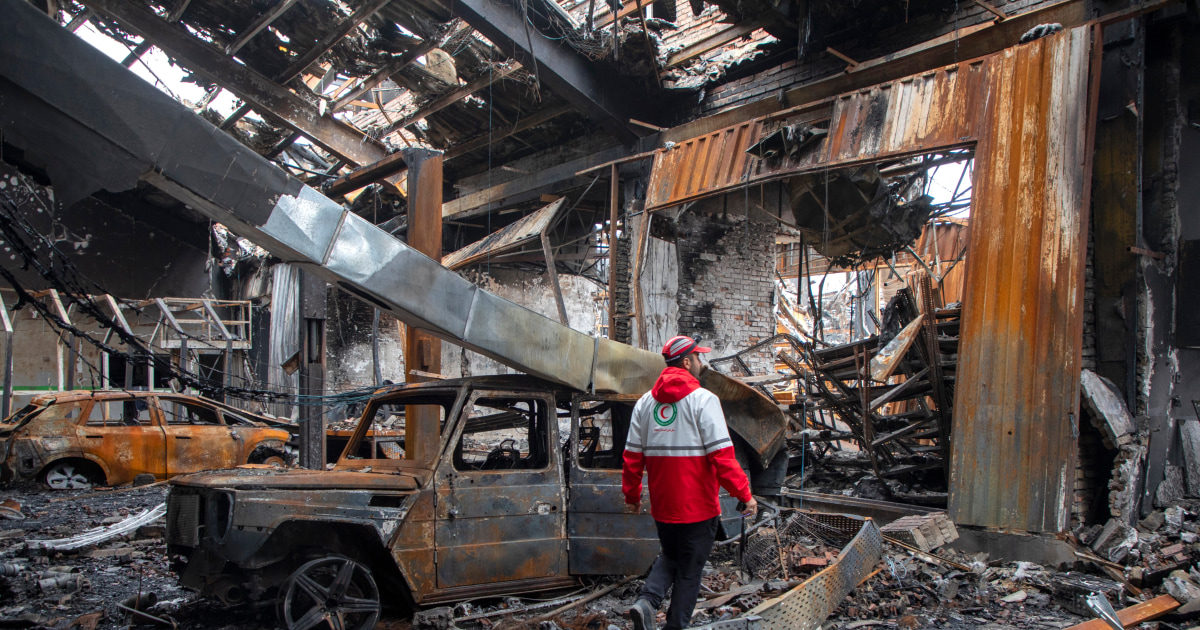
The deployment follows recent attacks by Iran, which launched six ballistic missiles and 29 drones at Saudi Arabia’s Prince Sultan air base, injuring at least 10 U.S. troops, two of whom were seriously wounded. The ongoing conflict has disrupted global air travel and oil exports, contributing to rising fuel prices. Iran’s control over the strategic Strait of Hormuz has further intensified economic concerns. Additionally, Iranian-backed Houthi rebels in Yemen have entered the conflict, claiming missile strikes against Israel. The Houthis’ involvement raises the risk of further disruptions to maritime trade, particularly in the Bab el-Mandeb Strait, a critical passage for global shipping and oil transport.
Iranian officials have responded to the increased U.S. military presence with warnings and accusations. Mohammad-Bagher Ghalibaf, Iran’s parliamentary speaker, accused the United States of covertly planning a ground assault while publicly expressing willingness to negotiate. He stated that Iranian forces are prepared to confront any American ground troops and vowed to resist what he described as U.S. attempts to force Iran’s surrender. These remarks came shortly after reports surfaced that the Pentagon has drafted plans for limited ground operations in Iran, although President Donald Trump and senior White House officials have indicated a preference for ending the conflict through negotiations.
Despite these tensions, diplomatic efforts continue amid the hostilities. The U.S. has presented Iran with a 15-point peace proposal aimed at ceasing hostilities, including restrictions on Iran’s nuclear program and reopening the Strait of Hormuz. Tehran has rejected this proposal, offering a counterproposal that demands reparations and recognition of Iranian sovereignty over the waterway. Secretary of State Marco Rubio noted that while Iran has not formally responded to the U.S. plan, there is some willingness on the Iranian side to discuss certain issues. President Trump recently extended a deadline to halt strikes on Iranian power plants, citing positive developments in talks, though Iran maintains it is not engaged in negotiations. Meanwhile, the Pentagon continues to prepare military options to provide the president with maximum flexibility, even as Trump has publicly denied plans to deploy ground troops. To date, 13 U.S. service members have died in the conflict, with two additional deaths from noncombat causes.






Be First to Comment