Key takeaways:
- The partial government shutdown caused TSA officers to miss paychecks, leading to long security lines at airports; President Trump ordered DHS to start paying TSA employees immediately to address the crisis.
- Travel experts expect security lines to improve quickly once TSA workers are paid, but staffing shortages and morale issues from resignations and call-outs may have lasting effects.
- The shutdown results from a political dispute over DHS funding, with the House and Senate divided on immigration enforcement funding, prolonging the stalemate and impacting federal workers and travelers.
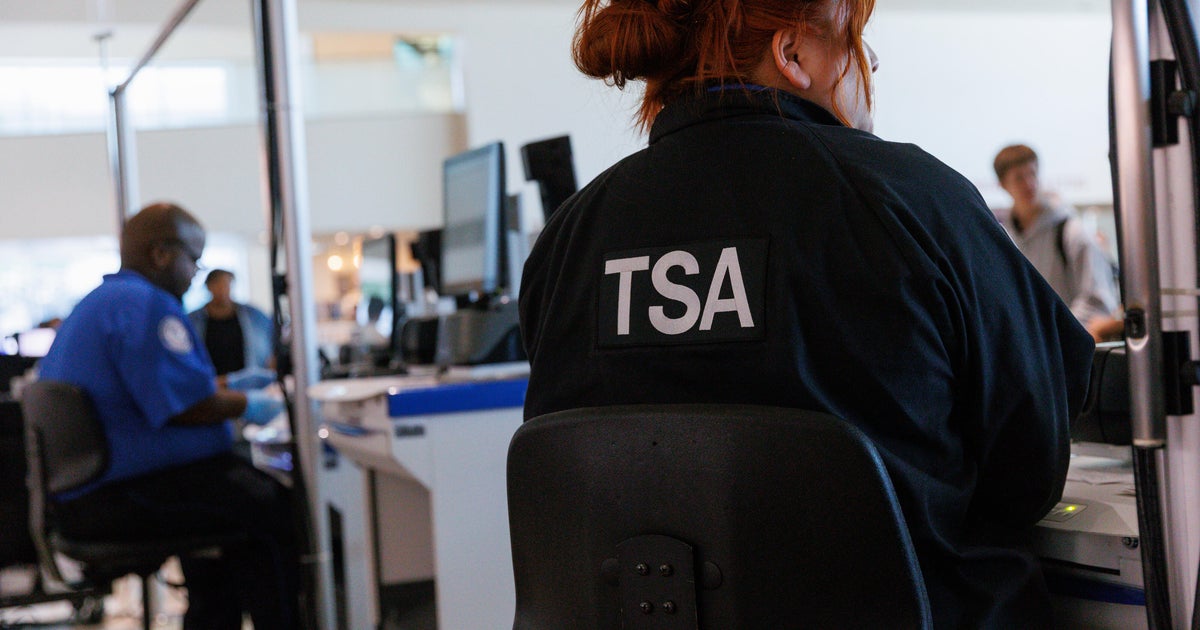
The partial government shutdown has led to significant disruptions at U.S. airports, with Transportation Security Administration (TSA) officers missing paychecks and security lines extending for hours. On Friday, President Donald Trump issued a presidential memorandum directing the Department of Homeland Security (DHS) to begin paying TSA employees immediately, citing an emergency situation that compromises national security. The Department of Homeland Security confirmed that TSA officers could start receiving pay as early as Monday, March 30, aiming to alleviate the ongoing travel delays.
Travel experts anticipate that airport security lines will improve relatively quickly once TSA workers receive their paychecks. Clint Henderson, a travel expert at The Points Guy, noted that during the previous shutdown, sick-out rates among TSA employees dropped sharply within days of payment resumption, with wait times normalizing between two days and two weeks. However, the current shutdown has already resulted in a nearly 12% call-out rate among TSA officers and over 500 resignations, exacerbating staffing shortages and prolonging passenger wait times. Henderson also highlighted concerns about the longer-term impact on TSA morale and recruitment, warning that the shutdown’s effects could persist beyond the immediate crisis.
The funding impasse stems from a broader political dispute in Congress over DHS appropriations. The Senate passed a bill to fund DHS without allocating new money to Immigration and Customs Enforcement (ICE) and Customs and Border Protection (CBP), but the House of Representatives rejected the measure. House Speaker Mike Johnson (R-LA) announced plans to push for a continuing resolution (CR) that would fund DHS through May 22, including funding for ICE and CBP. Johnson emphasized the importance of maintaining immigration enforcement, stating, “We are going to deport dangerous criminal illegal aliens because it is a basic function of the government.”
The House Appropriations Committee’s discussion on the funding bill was marked by partisan tensions and conspiracy theories. Some House Republicans questioned whether Senate Republicans had fully reviewed the bill passed by voice vote in the early hours of Friday morning, suggesting the deal was made without their input. Democrats countered these claims, pointing out that Senate Majority Leader Chuck Schumer brought the bill to the floor and that Senate Republicans had the opportunity to object. Senate Democrats have maintained a united front against funding ICE and CBP without reforms, signaling that any House-passed CR including those agencies’ funding would likely fail in the Senate, where 60 votes are required for passage. Senate Minority Leader Chuck Schumer stated, “Democrats will fund critical Homeland Security functions—but we will not give a blank check to Trump’s lawless and deadly immigration militia without reforms.”
As the shutdown extends beyond 40 days, the stalemate between the House and Senate continues to affect federal workers and travelers nationwide. While the presidential memorandum aims to provide immediate relief to TSA employees, the broader funding dispute remains unresolved, with both chambers entrenched in opposing positions regarding immigration enforcement and DHS funding priorities.









Be First to Comment