Key takeaways:
- U.S. and global financial markets declined due to fading hopes for peace talks between the U.S. and Iran, with major indexes falling and bond yields rising, leading to higher mortgage rates.
- Oil prices surged sharply amid ongoing tensions, with U.S. crude nearing $95 per barrel and Brent crude over $107, despite President Trump downplaying the price increases.
- Diplomatic efforts remain stalled as Iran rejects a U.S. peace proposal, while military actions, including the killing of an Iranian naval commander, escalate tensions and prompt stern warnings from the U.S.
U.S. financial markets experienced declines on Thursday amid diminishing hopes for imminent peace talks or a ceasefire between the United States and Iran. The S&P 500 dropped 0.6%, the Nasdaq Composite fell 1%, and the Dow Jones Industrial Average lost 100 points in early trading. The Russell 2000 index also declined by 0.8%. The sell-off extended to bonds, with the 10-year U.S. Treasury yield rising to nearly 4.4%, and yields on 20- and 30-year bonds approaching 5%. These increases have contributed to a rise in mortgage rates from about 6% at the end of February to over 6.4% as of Thursday. Asian and European stock markets followed suit, with notable declines in China’s Shanghai Composite, Hong Kong’s Hang Seng, South Korea’s Kospi, and major European indexes including Germany’s DAX, France’s CAC 40, and the U.K.’s FTSE 100.
The energy sector saw significant volatility as oil prices surged amid ongoing tensions. U.S. crude oil prices approached $95 per barrel, marking a 4.2% increase, while international Brent crude rose 4.5% to over $107 per barrel. Since the onset of the conflict, U.S. crude prices have increased by more than 40%, and by over 60% since the beginning of the year. Heating oil prices, often used as a proxy for jet fuel, spiked 6% early Thursday. Despite these rises, President Donald Trump downplayed the severity of the price increases during a Cabinet meeting, stating, “Energy prices have not gone up as much as I thought,” and expressing optimism that prices would eventually return to previous levels or lower.
Diplomatic efforts to resolve the conflict remain stalled. U.S. special envoy Steve Witkoff confirmed that the United States, through Pakistan as an intermediary, presented Iran with a 15-point peace proposal. Witkoff described the discussions as “sensitive” and emphasized confidentiality regarding the plan’s specifics. However, Iranian officials have rejected the proposal, labeling it one-sided and unacceptable. A senior Iranian official told Reuters that there is “still no arrangement for negotiations, and no plan for talks appears realistic at this stage.” The official criticized the U.S. plan for demanding Iran relinquish its defense capabilities in exchange for vague sanctions relief. Meanwhile, President Trump issued a stern warning on social media, urging Iranian negotiators to “get serious soon, before it is too late,” and indicated that there would be no turning back if talks failed.
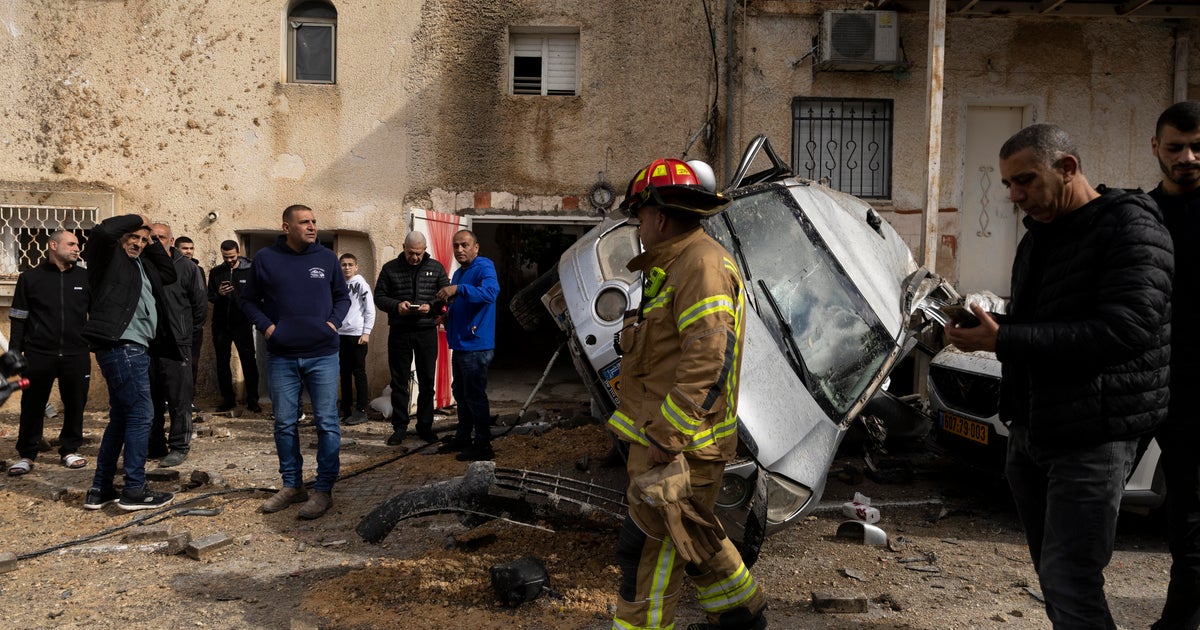
Military developments continue to influence the situation. Israel announced the targeted killing of Alireza Tangsiri, the commander of Iran’s Revolutionary Guard naval forces responsible for blockading the Strait of Hormuz. U.S. Central Command chief General Michael Kurilla stated that Tangsiri’s death “makes the region safer” and signaled an “irreversible decline” in the Iranian naval force’s capabilities. Since the start of Operation Epic Fury, U.S. strikes have reportedly eliminated 92% of large ships in the Iranian Navy. The White House has also warned that President Trump would “unleash hell” on Iran if a peace deal is not reached. The conflict’s broader geopolitical implications were highlighted by the European Union’s top diplomat, who accused Russia of providing intelligence support to Iran and noted interconnections between the Iran conflict and the war in Ukraine.







Be First to Comment