Key takeaways:
- Senate negotiations to end the 38-day DHS shutdown stalled after former President Trump demanded linking the DHS funding bill to his controversial SAVE America Act, which includes strict voter ID and citizenship verification measures opposed by Democrats.
- The shutdown has caused significant disruptions at airports due to unpaid TSA workers and staffing shortages, prompting the deployment of ICE agents despite Democratic opposition to funding ICE during the shutdown; some Republicans are open to separate funding for non-ICE DHS components.
- Democrats criticize Trump’s demands as politically motivated sabotage, while a related Supreme Court case on counting late-arriving mail-in ballots adds complexity to election reform debates amid ongoing bipartisan challenges to resolve the shutdown and address election security.
Senate negotiations to end the 38-day Department of Homeland Security (DHS) shutdown encountered a significant setback after former President Donald Trump urged Republican senators to link the DHS funding bill to his proposed SAVE America Act. The act, which includes provisions requiring proof of citizenship to register to vote and photo identification to cast ballots, has faced strong opposition from Democrats and has struggled to gain sufficient support in the Senate.
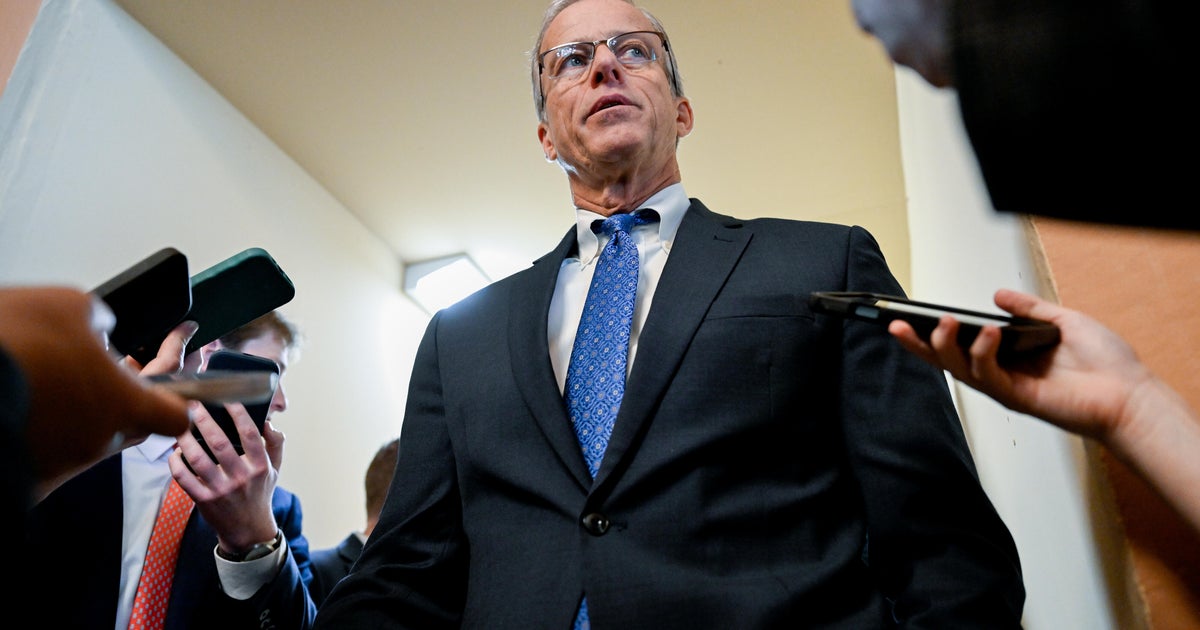
Speaking at an event in Memphis, Tennessee, Trump called on Republicans to hold firm and not make any deal with Democrats unless the election reform bill is included in the DHS funding legislation. “You don’t have to take a fast vote, don’t worry about Easter, going home. In fact, make this one for Jesus,” Trump said, emphasizing the importance of voter ID and citizenship verification as part of homeland security. Senate Majority Leader John Thune described Trump’s demand as a “wrinkle” in ongoing talks and noted that while many Republicans support the SAVE America Act, it is unrealistic to expect the Senate to guarantee its passage as a condition for reopening DHS.
The shutdown has increasingly affected airport operations, with Transportation Security Administration (TSA) workers continuing to work without pay, leading to staffing shortages and longer security lines. To alleviate the pressure, the administration has deployed Immigration and Customs Enforcement (ICE) agents to assist at several airports. Democrats have opposed funding ICE during the shutdown but have repeatedly offered to approve funding for TSA and other DHS agencies. Some Republicans, including Senator John Kennedy of Louisiana, have expressed openness to accepting Democratic offers to fund non-ICE components of DHS separately, while pursuing ICE funding through budget reconciliation without Democratic support.
Democratic leaders have criticized Trump’s approach, accusing him of sabotaging negotiations. Senate Minority Leader Chuck Schumer called the proposal “ridiculous” and a “temper tantrum,” asserting that Trump prioritizes his own political goals over the needs of the American people. Schumer also noted that a planned meeting between Democrats and the White House was canceled following Trump’s public statements. Despite the impasse, both sides have expressed willingness to continue discussions, though significant differences remain. The Senate is scheduled to recess for two weeks at the end of the week, but Thune has suggested lawmakers could stay in session until the shutdown is resolved.
Meanwhile, the political landscape is further complicated by a Supreme Court case concerning the counting of mail-in ballots that arrive after Election Day. The court is hearing arguments on a Mississippi law allowing ballots postmarked by Election Day to be counted even if they arrive later, a practice followed by several other states. Conservative justices expressed skepticism about the legality of counting late-arriving ballots, raising questions about federal election laws and the potential impact on early voting. The case has significant implications for election administration ahead of the midterm elections, with debates centering on election integrity and voter access.
As the DHS shutdown continues, the intersection of election reform debates and federal funding negotiations highlights the challenges facing Congress in reaching bipartisan agreements on critical national issues. The coming days will be crucial in determining whether lawmakers can overcome political divisions to restore funding to DHS and address broader concerns about election security.







Be First to Comment