Key takeaways:
- The FBI is investigating Joe Kent, former NCTC director, for alleged leaks of classified information; the probe began before his resignation, which was triggered by his opposition to the Trump administration’s war decision with Iran.
- Kent resigned citing disagreement with the administration’s rationale for war, disputing claims of an imminent Iranian threat and alleging external pressure influenced the decision; his resignation and statements were strongly rebutted by the Trump administration.
- Kent’s resignation has intensified debate among intelligence and political figures, with Director of National Intelligence Tulsi Gabbard emphasizing presidential responsibility for threat assessment, while former President Trump criticized Kent’s security stance and supported the Iran threat narrative.
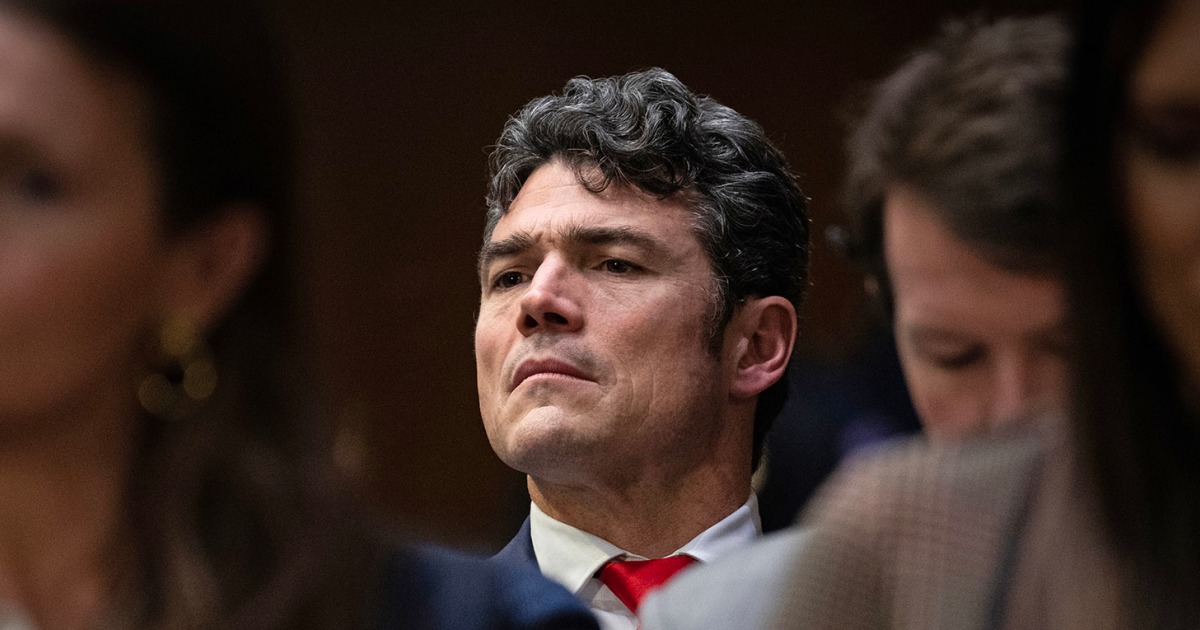
The Federal Bureau of Investigation (FBI) is conducting an investigation into Joe Kent, the former director of the National Counterterrorism Center (NCTC), regarding alleged leaks of classified information. According to multiple sources with direct knowledge of the matter, the probe began prior to Kent’s resignation earlier this week, which was prompted by his opposition to the Trump administration’s decision to engage in war with Iran. The FBI’s Criminal Division is reportedly handling the ongoing investigation. Both the FBI and Kent have declined to comment on the inquiry.
Kent, a retired Green Beret and longtime ally of former President Donald Trump, announced his resignation in an open letter on Tuesday. In the letter, he criticized the administration’s rationale for initiating the conflict with Iran, asserting that the country did not pose an imminent threat to the United States. Kent further claimed that the decision to go to war was influenced by pressure from Israel and its American lobby. He stated, “I cannot in good conscience support the ongoing war in Iran,” and expressed concern over the lack of robust debate preceding the military action.
In an interview with former Fox News host Tucker Carlson following his resignation, Kent reiterated his position that there was no credible intelligence indicating an imminent Iranian attack or an imminent nuclear threat. He also disputed claims that he was excluded from key intelligence meetings, suggesting that even if he had not been invited, he would have been aware of their occurrence. Kent’s resignation and comments drew swift rebuttals from the Trump administration. White House press secretary Karoline Leavitt described Kent’s letter as containing “false claims” and defended the administration’s stance that Iran was an imminent threat. Leavitt also downplayed Kent’s role, stating that he had not been involved in discussions related to the Iran war or in assembling the president’s intelligence brief for some time.
Kent’s resignation has sparked further debate within intelligence and political circles. Director of National Intelligence Tulsi Gabbard, to whom Kent reported, pushed back on his assertions, emphasizing that the president is responsible for assessing threats and that her office’s role is to provide the best possible intelligence. Gabbard declined to comment on whether Iran’s nuclear program constituted an imminent threat during a congressional hearing. Kent’s military background includes 11 combat deployments over a 20-year Army Special Forces career, followed by work at the CIA. His wife, Shannon Kent, was killed in a terrorist bombing in Syria in 2019. Following Kent’s resignation, former President Trump commented that he had considered Kent “weak on security” and expressed relief at his departure, reaffirming his view that Iran posed a significant threat.







Be First to Comment