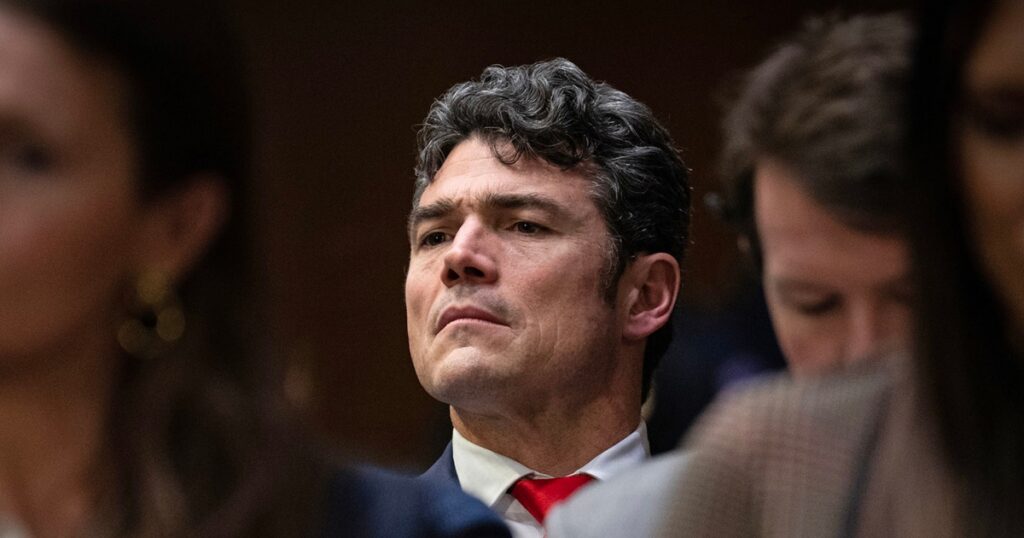
The FBI is investigating Joe Kent, former director of the National Counterterrorism Center, for alleged leaks of classified information, with the probe beginning before his recent resignation over opposition to the Trump administration’s decision to go to war with Iran. Kent criticized the administration’s rationale, claiming there was no imminent Iranian threat and that the war decision was influenced by Israeli pressure, while the Trump administration and intelligence officials have disputed his claims. His resignation has sparked debate among political and intelligence circles, with former President Trump calling Kent “weak on security” and reaffirming the threat posed by Iran.
Posts tagged as “the National Counterterrorism Center (NCTC”
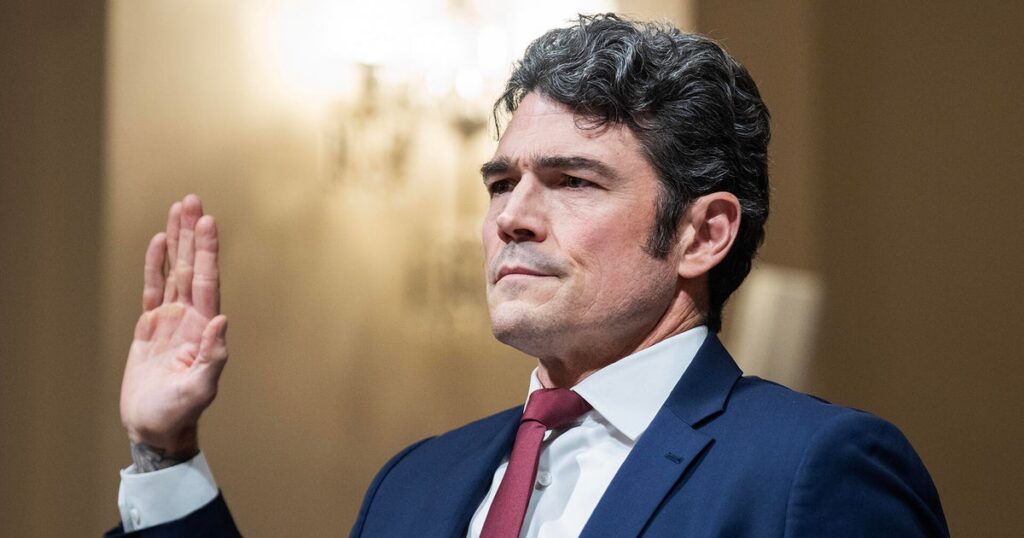
Joe Kent, director of the National Counterterrorism Center and a former Trump supporter, resigned amid controversy over U.S. military actions against Iran, criticizing the administration’s war rationale and alleging misinformation campaigns by Israeli officials and American media. His departure sparked backlash from Republican leaders who condemned his claims as anti-Semitic, while Kent’s past associations with far-right figures and conspiracy theories further complicated his tenure. Concurrently, Director of National Intelligence Tulsi Gabbard testified on Iran’s diminished but ongoing threat, underscoring internal divisions and political pressures shaping U.S. policy toward the conflict.
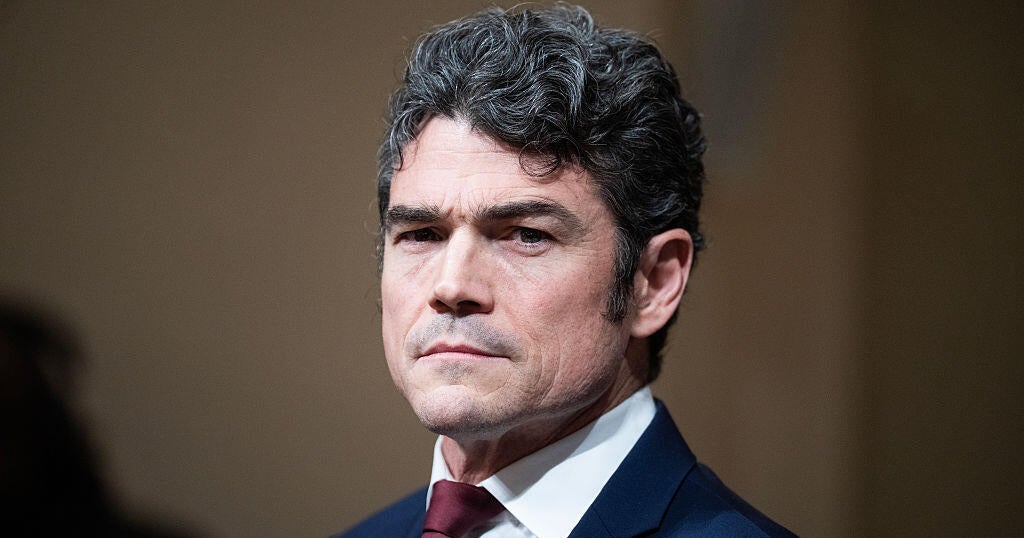
Joe Kent, director of the National Counterterrorism Center and a retired Green Beret, resigned abruptly in protest of the U.S. war in Iran, arguing that Iran posed no imminent threat and that the conflict was driven by pressure from Israel and its American lobby. His departure marks the most high-profile resignation within the Trump administration over the Iran conflict and highlights internal dissent regarding U.S. military intervention in the Middle East. Kent’s stance aligns with other critics of the war, such as intelligence director Tulsi Gabbard, and underscores ongoing tensions about foreign policy direction within the administration.