Key takeaways:
- The Federal Reserve kept its benchmark interest rate steady at 3.5% to 3.75%, marking a second consecutive pause amid economic uncertainty driven by Middle East geopolitical tensions.
- Rising conflict-related energy prices have caused significant increases in fuel costs, contributing to inflationary pressures alongside mixed economic indicators such as job losses and higher wholesale inflation.
- Fed Chair Jerome Powell is expected to provide guidance on future monetary policy amid these challenges, with his term ending soon and potential leadership changes that could impact the Fed’s approach.
The Federal Reserve announced on Wednesday that it would keep its benchmark interest rate unchanged, maintaining the federal funds rate within the range of 3.5% to 3.75%. This marks the central bank’s second consecutive pause in rate adjustments for 2026. The decision aligns with widespread expectations among investors amid an increasingly uncertain economic environment influenced by geopolitical tensions in the Middle East.
The ongoing conflict between the United States, Israel, and Iran has significantly disrupted global energy markets, causing crude oil prices to surge more than 40% since the war began on February 28. This escalation has led to a sharp increase in gasoline prices, with the average retail price of unleaded gas rising by over 75 cents per gallon. Diesel fuel, essential for domestic transportation and supply chains, recently surpassed $5 per gallon for the first time since 2022. The spike in energy costs extends beyond fuel, affecting jet fuel and home heating oil prices, thereby exerting upward pressure on inflation.
Economic indicators released prior to the Federal Reserve’s announcement painted a mixed picture. The Labor Department reported a loss of 92,000 jobs in February, a significant and unexpected decline compared to economists’ forecasts of a 60,000-job gain. Additionally, the producer price index (PPI), which measures inflation at the wholesale level before it reaches consumers, rose 3.4% annually in February—the highest increase in a year and above economists’ expectations. These figures suggest that inflationary pressures were intensifying even before the recent energy price shocks. Economists, including Michael Pearce of Oxford Economics, noted that the conflict in Iran has increased risks to both inflation and economic growth, potentially prompting the Fed to maintain its current interest rates for a longer period.
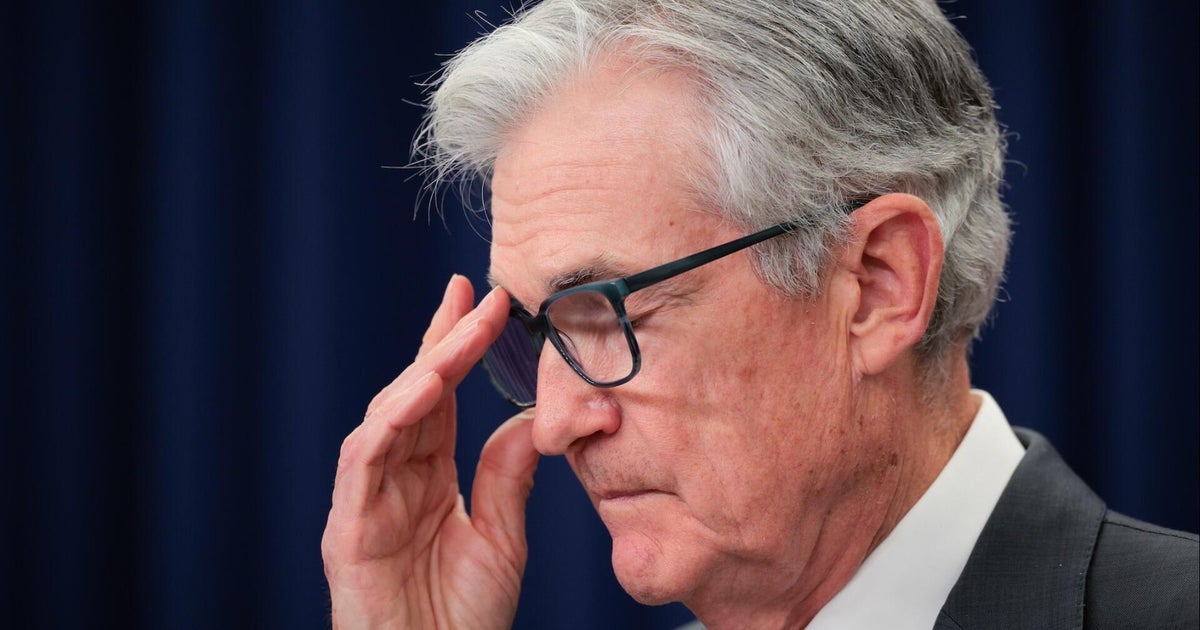
Federal Reserve Chair Jerome Powell is expected to address these developments during a press conference scheduled for Wednesday afternoon. Investors and analysts will be closely watching for guidance on how the central bank plans to navigate the complex economic landscape shaped by geopolitical tensions, sticky inflation, and a fragile labor market. Powell’s term as Fed chair is set to expire in May, and his potential successor, former Fed official Kevin Warsh, awaits Senate confirmation amid ongoing political and legal challenges. The outcome of these proceedings could influence the Fed’s policy direction in the coming months. Meanwhile, some economists anticipate a possible 0.25 percentage point rate cut later in 2026, though the timing remains uncertain given the current inflation risks.





Be First to Comment