Key takeaways:
- Labor leader Dolores Huerta accused late UFW co-founder Cesar Chavez of sexual abuse, revealing her own experiences of non-consensual encounters and pregnancies in the 1960s, and corroborating allegations involving other young women and minors.
- An extensive New York Times investigation gathered testimonies from over 60 individuals, uncovering multiple accounts of Chavez’s sexual misconduct, challenging his legacy as a celebrated civil rights icon.
- In response, the UFW and Cesar Chavez Foundation distanced themselves from Chavez, canceling participation in Cesar Chavez Day events, while Huerta and her foundation have begun supporting sexual assault survivors and ending decades of silence.
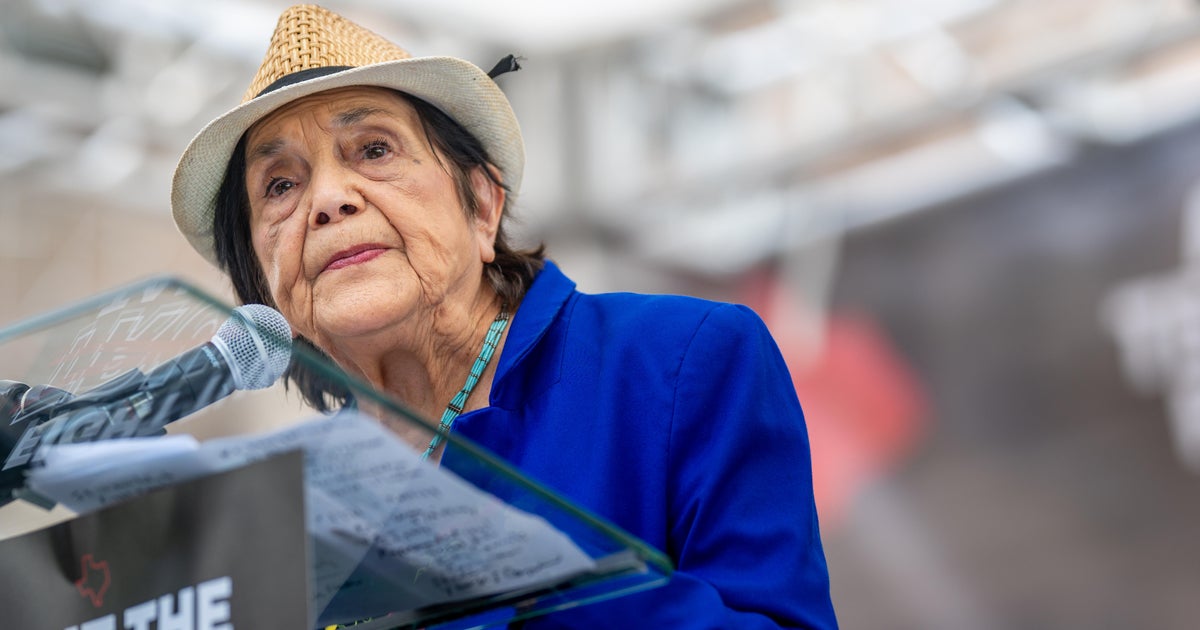
Labor leader Dolores Huerta has publicly accused the late Cesar Chavez, co-founder of the United Farm Workers (UFW), of sexual abuse, corroborating recent allegations that Chavez sexually assaulted young women and minors. Huerta, 95, revealed in a statement that she experienced two non-consensual sexual encounters with Chavez during the 1960s, both of which resulted in pregnancies that she carried and kept secret. She described being manipulated and pressured into sex the first time and forced against her will the second time, expressing that she felt trapped and unable to resist due to Chavez’s position as her boss and leader of the movement.
The allegations against Chavez were first reported by The New York Times, which conducted an extensive investigation involving interviews with over 60 individuals, including former aides, relatives, and UFW members, as well as reviewing union records and confidential communications. The report included accounts from two other women who said Chavez sexually molested them when they were 13 and 15 years old. Chavez, who died in 1993, is widely celebrated as a civil rights icon and a champion for farmworkers’ rights, with his legacy honored through a state holiday in California and other states, as well as numerous public commemorations.
Huerta stated that she kept her experiences secret for decades because she feared that exposing the truth would harm the farmworker movement, which she dedicated her life to building. She emphasized that the movement is larger than any individual and condemned Chavez’s actions as deplorable. “I have never identified myself as a victim, but I now understand that I am a survivor — of violence, of sexual abuse, of domineering men who saw me, and other women, as property, or things to control,” Huerta said. She also expressed sorrow for others who suffered in silence and announced that her silence ends now. The Dolores Huerta Foundation has since provided resources for sexual assault survivors.
The UFW has distanced itself from Chavez in response to the allegations, announcing it will not participate in Cesar Chavez Day activities, which are observed in several states including California, Utah, Arizona, and Washington. The union described the allegations as “crushing.” The Cesar Chavez Foundation also issued a statement expressing that it was “deeply shocked and saddened” and is working with the UFW to respond appropriately. Chavez’s family released a statement expressing shock and sadness, emphasizing their commitment to equity and justice and urging that the matter be approached with fairness and compassion. The revelations have prompted some communities to cancel planned Cesar Chavez Day events, and the news is expected to have significant impact within the Mexican American and Latino communities, where Chavez has long been regarded as a hero and symbol of social justice.




Be First to Comment