Key takeaways:
- Senator Markwayne Mullin underwent a contentious confirmation hearing for DHS Secretary, facing criticism from Senator Rand Paul over alleged support for violence and concerns from Democrats about his readiness amid DHS funding and operational challenges.
- Republican Senator James Lankford praised Mullin’s experience, character, and bipartisan approach, emphasizing his work ethic and faith as assets for leading the department.
- Democrats, led by Senators Gary Peters and Richard Blumenthal, expressed concerns about DHS funding, immigration enforcement reforms, and the conduct of ICE and CBP, urging for significant changes before supporting Mullin’s confirmation.
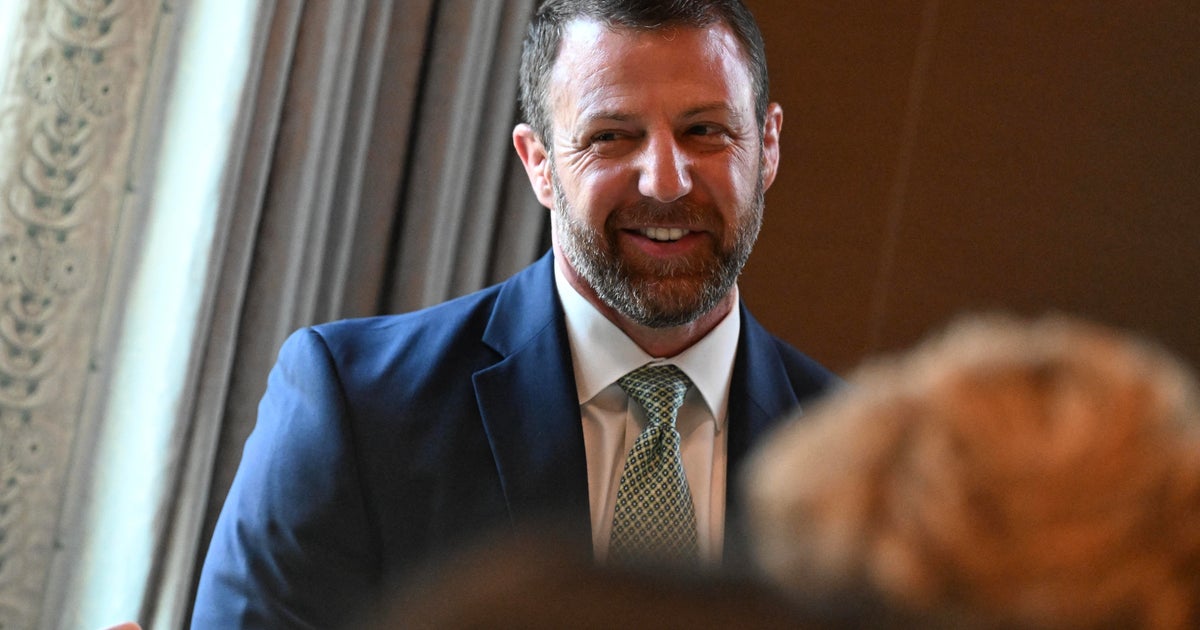
Senator Markwayne Mullin appeared before the Senate Homeland Security and Governmental Affairs Committee on Wednesday morning for a confirmation hearing to become the next Secretary of the Department of Homeland Security (DHS). Mullin, a Republican from Oklahoma, was nominated by President Donald Trump earlier this month to replace embattled DHS Secretary Kristi Noem, who faced criticism over her handling of immigration enforcement operations and controversial department spending. If confirmed by the Senate, where Republicans hold a 53-47 majority, Mullin would take the helm of a department currently facing a funding shutdown and operational challenges.
The hearing began with Senator Rand Paul (R-KY), the committee chairman, confronting Mullin over allegations that he had referred to Paul as a “freaking snake” and expressed understanding of a violent attack on Paul in 2017. Paul questioned whether Mullin, who he accused of applauding violence against political opponents, was fit to lead an agency that has struggled with the appropriate use of force. “I just wonder if someone who applauds violence against their political opponents is the right person to lead an agency that has struggled to accept limits to the proper use of force,” Paul said. He pressed Mullin to address these allegations directly during the hearing.
Senator James Lankford (R-OK), a colleague of Mullin’s, introduced him to the committee, highlighting Mullin’s experience and character. Lankford described Mullin as a “person of faith” with a unique ability to bring people together across party lines and praised his work ethic. “Markwayne is not afraid to do the work,” Lankford said, expressing confidence in Mullin’s capacity to handle the complex challenges facing DHS.
On the Democratic side, Senator Gary Peters (D-MI), the committee’s top Democrat, voiced reservations about Mullin’s readiness to lead the department. Peters criticized the Trump administration’s prior cuts to counterterrorism programs and the Cybersecurity and Infrastructure Security Agency (CISA), emphasizing the need for a “steady, qualified leader” at DHS. He also highlighted the ongoing funding impasse that has led to a partial shutdown of the department, affecting agencies such as TSA, FEMA, and the Coast Guard. Peters urged Republicans to join Democrats in passing bills to ensure these personnel are paid amid continuing negotiations over immigration enforcement reforms.
Senator Richard Blumenthal (D-CT) underscored the concerns many Democrats have regarding Immigration and Customs Enforcement (ICE) and Customs and Border Protection (CBP), particularly in light of recent deadly shootings involving federal agents. Blumenthal stated that the most pressing issue for Americans is whether Mullin would implement reforms to curb what Democrats describe as “lawlessness and reckless brutality” by these agencies. The confirmation hearing comes amid ongoing debates in Congress over DHS funding and reform, with Democrats withholding support for funding ICE and CBP without significant changes.
Mullin, 48, has served in the Senate since 2023 after a decade in the House of Representatives. He is a member of the Cherokee Nation, a business owner, and a former college wrestler and mixed martial arts fighter. Throughout his Senate tenure, Mullin has acted as a liaison between the House and Senate and has been a strong supporter of President Trump’s agenda. The committee’s decision to advance Mullin’s nomination will send it to the full Senate for a final vote, where a simple majority is required for confirmation.






Be First to Comment