Key takeaways:
- The EPA found no lead in 38 post-detonation samples from public water supplies.
- The Army detonated nearly five tonnes of deteriorating lead azide Wednesday at the Iowa Army Ammunition Plant in Middletown.
- The EPA collected more than 1,632 samples before the blast and 1,607 afterward; further laboratory results are pending.
The Environmental Protection Agency found no lead in 38 water samples taken at public water supplies after the Army detonated a stockpile of deteriorating explosives in Iowa, the agency said Saturday. The initial results showed no increase in lead in water bodies that supply drinking water, but testing of air, soil and dust samples is continuing.
The samples included treated drinking water and untreated water collected at intake points. Before Wednesday’s detonation, the EPA sampled 35 drinking water sources across Iowa, Illinois and Missouri to establish a baseline.
Army engineers destroyed nearly five tonnes, or about 10,000 pounds, of lead azide at the Iowa Army Ammunition Plant in Middletown. The explosive, used in ammunition since World War I, had been stored for about 20 years in 68 degrading plastic drums, according to Al Jazeera. The demolition involved two simultaneous explosions, the outlet reported.
The Army said the stockpile posed a risk of an unplanned explosion. According to the EPA, the lead azide had undergone a recrystallization process that made it more sensitive to friction and shock.
The planned blast alarmed residents and environmental groups, who feared toxic lead dust could contaminate communities and farmland. Some residents and elected officials also criticized the Army for not providing more notice or being more transparent about when it determined the stockpile was unstable. Al Jazeera reported that people in Middletown knew of the plan, but warnings drew little attention elsewhere until days before the detonation.
Environmental groups sought to stop the blast. The 8th Circuit Court of Appeals temporarily halted it last week while considering whether to impose a longer-lasting order. On Monday, the court said the groups had not shown they were likely to succeed in their challenge.
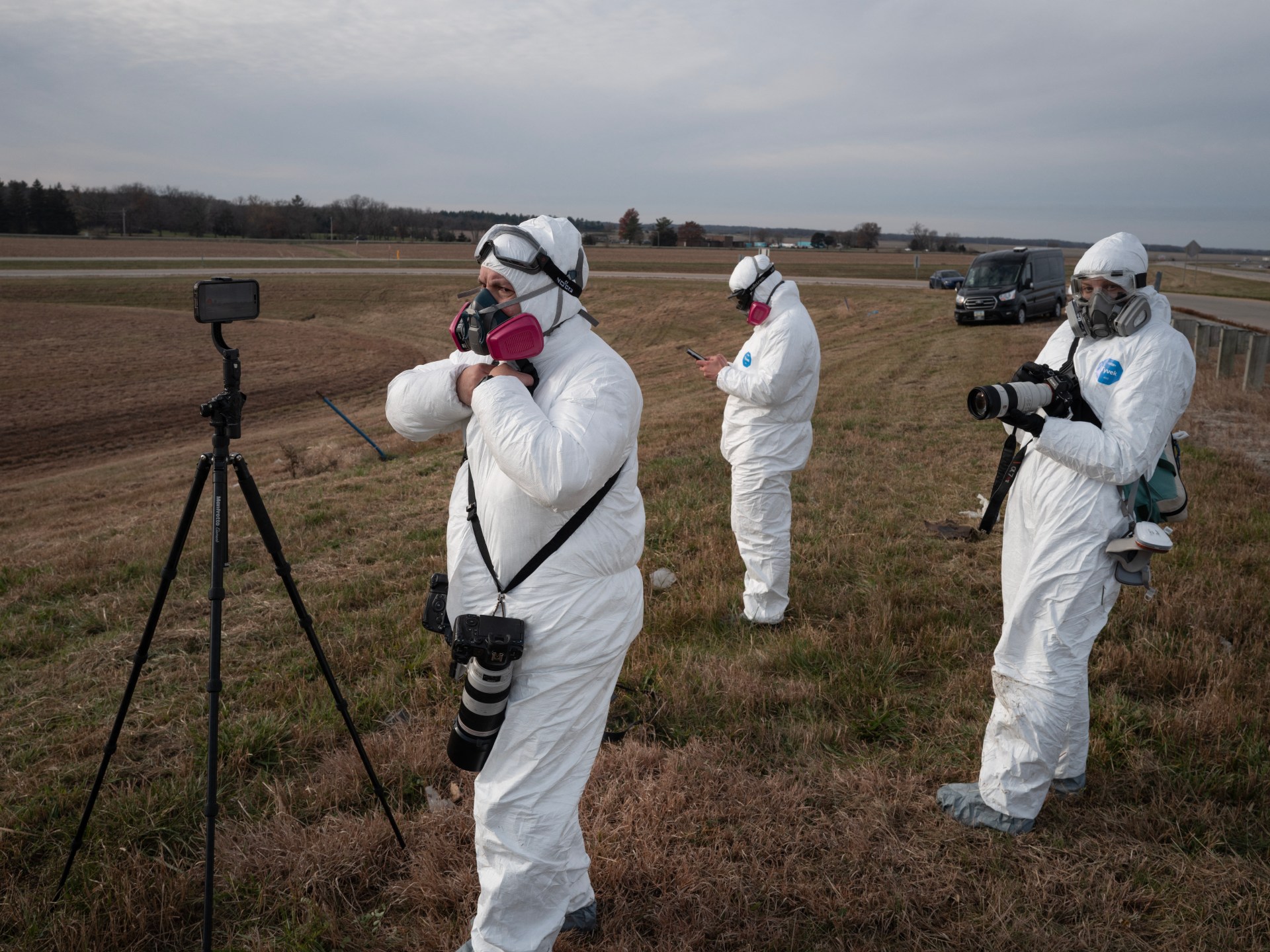
The EPA said it collected more than 1,632 air, water, soil and dust samples before the detonation and 1,607 afterward, sending them to EPA and private laboratories. Sampling sites included more than 180 structures — among them homes, schools, daycare centers and churches — as well as parks, farms, drinking water sources and the Mississippi River watershed.
About 300 people spent Thursday collecting samples across the region, Al Jazeera reported. The EPA said Friday that it had completed 88% of post-detonation sampling at homes sampled before the blast and expected to finish the rest that day.
As of Thursday, the EPA had detected no airborne lead in the region. The agency said it monitored for airborne lead for 30 consecutive hours after the blast and was also testing for other compounds that might have been released. More laboratory results were still pending.
Independent experts welcomed the initial air readings but cautioned that air monitoring alone could not establish where lead might have settled, Al Jazeera reported. Results from water, soil and surface samples would provide a fuller picture.
The dispute over the detonation also prompted questions within the Trump administration about why senior officials had not been alerted sooner, sources familiar with the matter told CBS News. President Donald Trump said the operation had “exceeded expectations.”






Be First to Comment