Key takeaways:
- Italian Education Minister Giuseppe Valditara said about 300 schools received threats and described the emails as likely a cyberattack rather than a genuine danger.
- Accounts differed on evacuations: Al Jazeera reported at least 300 schools evacuated, while the BBC reported that a number of buildings were cleared and many pupils soon returned.
- Police treated threatening emails sent to schools in Northern Ireland and Scotland as hoaxes; authorities had not established whether those incidents were connected to Italy’s.
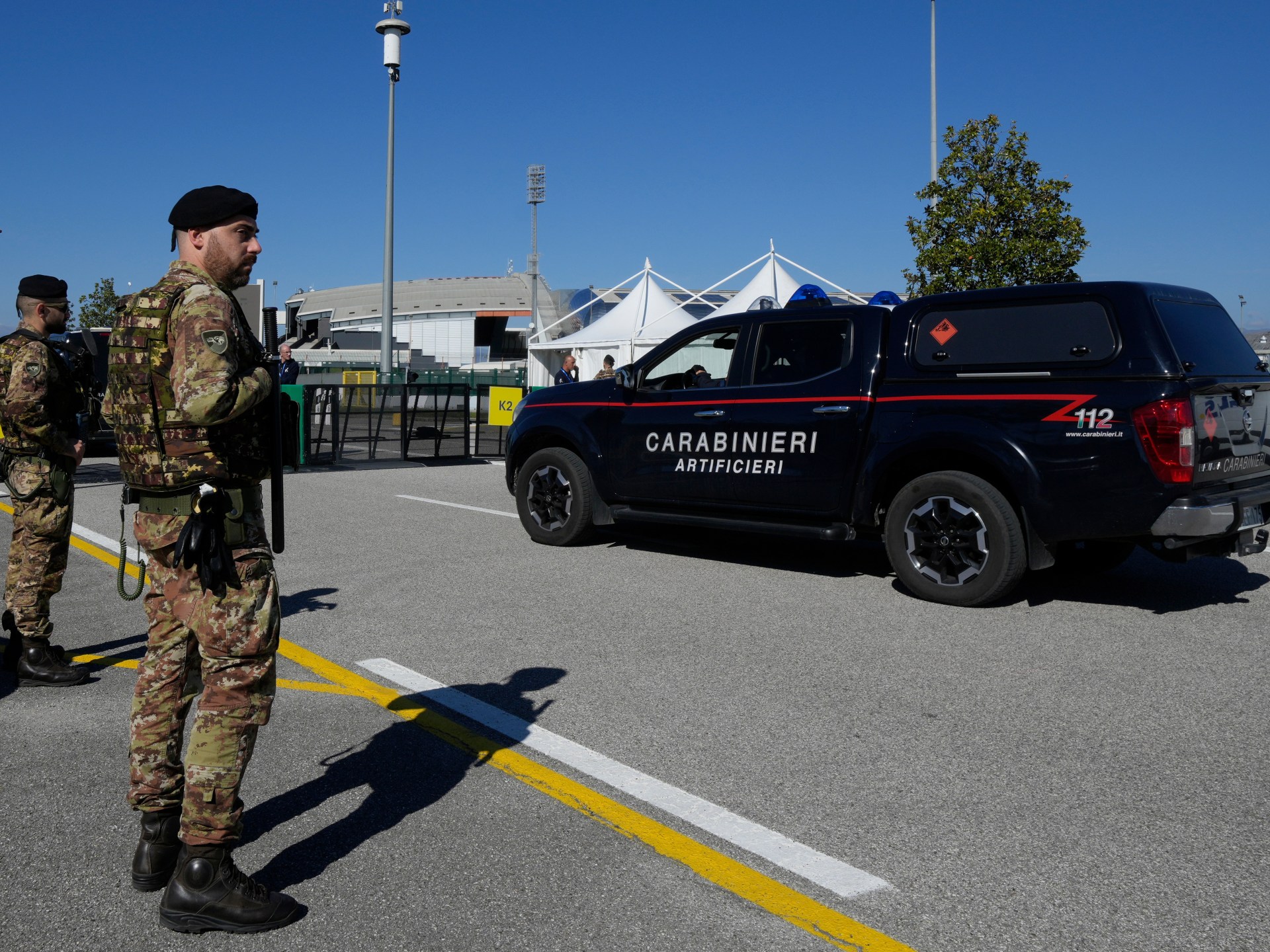
Hundreds of schools across Italy received bomb threats by email on Wednesday, prompting precautionary evacuations and a government security meeting. Prime Minister Giorgia Meloni said checks had found no evidence of a “concrete danger.”
Education Minister Giuseppe Valditara said about 300 schools had been affected and that the number could rise. The emails reached schools in Rome, Naples, Vicenza, Florence, Pisa, Trieste and other cities. Italian reports cited by the BBC said 280 head teachers had received threats in recent days.
Accounts differed on the extent of the disruption. Al Jazeera reported that at least 300 schools were evacuated. The BBC reported that a number of buildings were evacuated and that, in many schools that initially cleared out, pupils were soon allowed back into class.
Meloni called a meeting of senior ministers and intelligence chiefs as authorities investigated the messages. In a Facebook post, she said the government was closely monitoring the “numerous reports of bomb threats at educational institutions.” The reports appeared to be part of “a strategy intended to cause alarm and concern,” she said.
Valditara also said the threats appeared coordinated, though investigators had not established who was responsible. “It is clear that there is a strategy at play,” he told Italy’s La7 television channel. “It is difficult to say right now who might be behind this. Intelligence services are, of course, working to identify them.”
He urged against alarm, saying the emails’ contents suggested that any concrete risk was “virtually nonexistent.” He described the incident as, in all likelihood, a cyberattack rather than a genuine threat.
In Umbria, regional leader Stefania Proietti said checks at schools had so far found nothing suspicious. Law enforcement officers were working “rapidly and carefully to verify each report,” she said.
Schools elsewhere in Europe also received threatening messages on Wednesday. More than 300 schools in Northern Ireland were sent emails that police were treating as a hoax, the BBC reported. Northern Ireland’s Education Authority said schools had been advised to remain open because police did not consider the threat credible. It said the message resembled a bogus threat sent last month.
Police Scotland likewise said messages sent to schools there were not credible and were being treated as hoaxes. Its cyber and fraud unit was working to trace their source with law enforcement in the United Kingdom and abroad, Al Jazeera reported. Scottish schools received a similar mass bomb-hoax email on October 19. It remains unclear whether the incidents in Italy, Northern Ireland and Scotland are connected.
The school alerts followed a series of bomb scares affecting Italian airports and airlines elsewhere in Europe. Last week’s warnings led to evacuations and widespread disruption, the BBC reported. Although an extremist misogynistic group claimed a number of the threats, it later denied any connection to the false warnings.









Be First to Comment