Key takeaways:
- A jury convicted Trump in May 2024 of 34 felony counts of falsifying business records tied to reimbursements to Michael Cohen.
- Trump’s lawyers argue that federal election law and presidential immunity protections undermine the state conviction; prosecutors reject those arguments.
- Trump received an unconditional discharge in January 2025, leaving the conviction in place without a jail term, fine or other penalty.
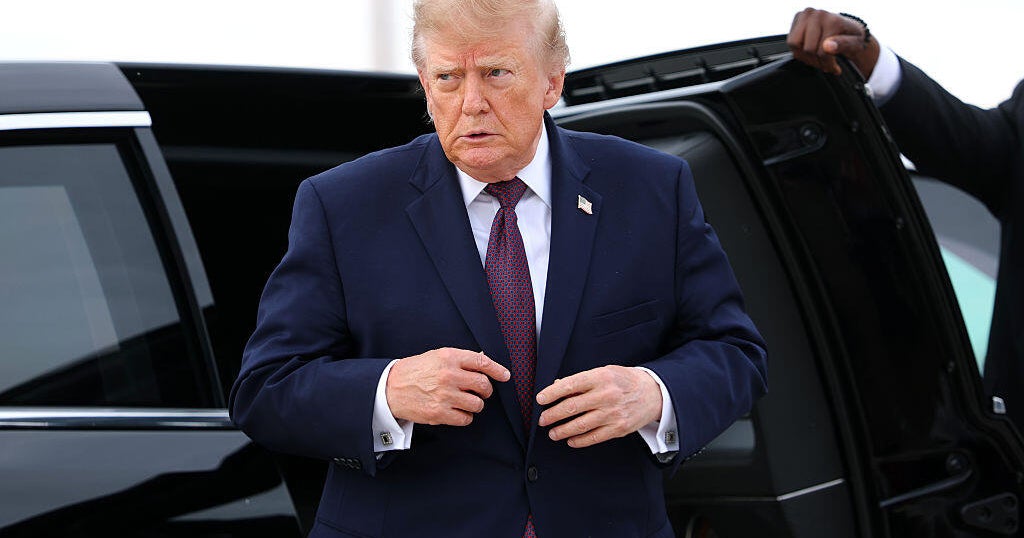
President Donald Trump’s lawyers are set to ask a New York appeals court Thursday to overturn his conviction on 34 felony counts of falsifying business records, renewing a challenge to the verdict reached in his hush-money trial more than two years ago.
A unanimous jury found Trump guilty in May 2024 over records tied to reimbursements to Michael Cohen, his former lawyer. Cohen paid adult film performer Stormy Daniels $130,000 shortly before the 2016 election in exchange for her silence about an alleged sexual encounter with Trump years earlier. Trump denies the encounter and any wrongdoing.
According to The Guardian, Trump’s company reimbursed Cohen in 2017 and recorded the payments as legal expenses. Prosecutors say the transactions were intended to keep damaging information from voters. Lawyers for Manhattan District Attorney Alvin Bragg have called the plan “a conspiracy to defraud the American public and government regulators.”
Trump’s lawyers say the conviction should not stand. In an Oct. 16 filing cited by CBS News, attorney Robert Giuffra wrote that the case “should have never been brought.” The defense argues that federal election law preempts the state prosecution, that prosecutors violated presidential immunity protections and that they failed to prove Trump had an “intent to defraud.”
“The question here is whether the White House statements and strategy introduced at trial in this criminal case—responding to public allegations of personal wrongdoing bearing directly on the President’s integrity and fitness for office—were official,” Giuffra wrote.
The Guardian reported that Trump’s lawyers also call the evidence that he knew about Cohen’s dealings at the time “weak.” His trial lawyers said the Cohen payments were legal expenses and were meant to spare Trump’s family embarrassment. Prosecutors dispute that account, arguing that Trump “orchestrated a conspiracy” involving violations of federal campaign finance laws, among others.
Bragg’s lawyers reject the immunity argument. “The criminal charges here arose from [Mr. Trump’s] unofficial, non-presidential conduct—as multiple courts have already found,” they wrote in a July brief.
Trump and Bragg’s lawyers will each have 15 minutes to answer questions before the Appellate Division, First Department, New York’s mid-level appeals court, according to CBS News. Both sides have indicated that the case could ultimately reach New York’s highest court and potentially the U.S. Supreme Court. The Guardian reported that Trump was not expected to attend Thursday’s session.
The judge who oversaw the trial gave Trump an unconditional discharge in January 2025, after he had been elected to a second term. The sentence left the conviction in place but imposed no jail time, fine or other penalty.
Trump is separately trying to move the case to federal court and seek its dismissal on immunity grounds. A federal judge rejected that effort for a third time in August, according to The Guardian, and arguments on Trump’s appeal of that ruling are scheduled for Nov. 16. CBS News reported that the judge, Alvin Hellerstein, died a week before Thursday’s state appeals hearing. In rejecting Trump’s position, Hellerstein wrote: “Reimbursing Cohen for advancing hush money to [Stormy Daniels] cannot be considered the performance of a constitutional duty.”






Be First to Comment