Key takeaways:
- CBS News estimated Democrats could finish with 251 to 268 House seats.
- Texas Democrats won 14 seats by Wednesday, up from 13 before the election, despite a Republican map designed to gain up to five seats.
- Maryland voters approved Question 3, removing state constitutional restrictions on congressional district shapes.
Republicans redrew congressional districts across several states hoping to protect their House majority. Instead, Democrats won control of the chamber Tuesday and held many of the seats the new maps were designed to take away.
CBS News estimated Democrats could finish with 251 to 268 House seats. In some states, Republican maps may have produced a “dummymander”: a redistricting plan that benefits the opposing party rather than the one that drew it. Several races remained unresolved Wednesday, leaving the final effects of the maps uncertain.
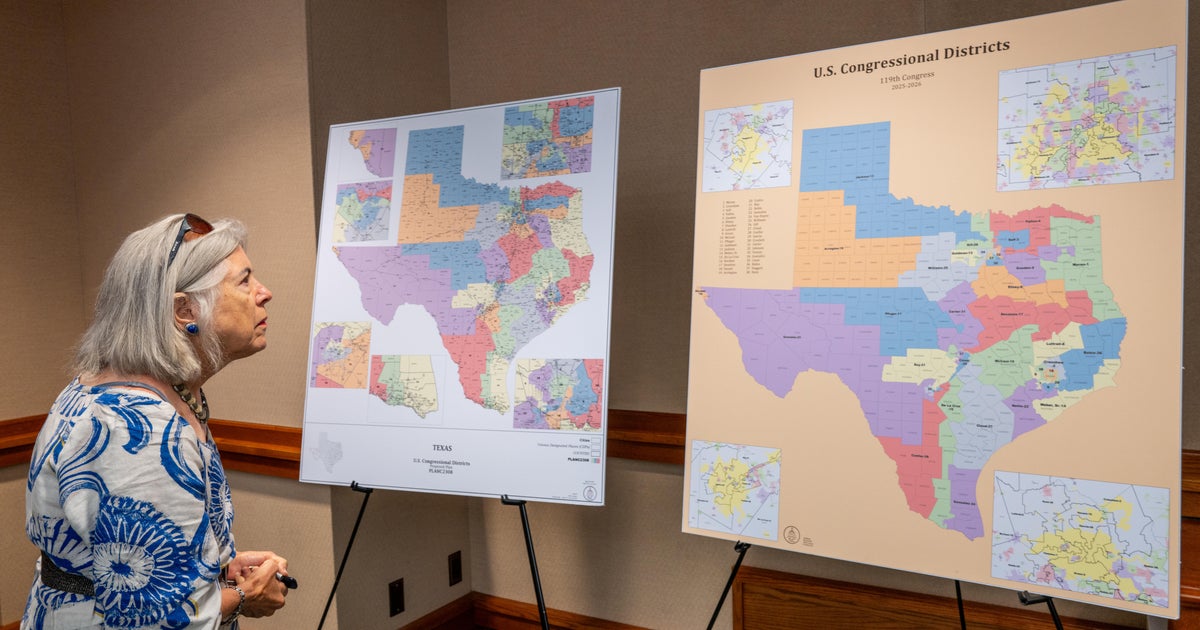
The push began when President Donald Trump urged Texas lawmakers to redraw districts in pursuit of up to five additional Republican seats. Republicans entered the election holding 24 Texas seats, Democrats held 13, and one seat in a Republican-leaning district was vacant. By Wednesday, Republicans had won 24 seats and Democrats 14. Talking Points Memo reported that Democrats won four of the five seats targeted by the new map.
In Ohio, a Republican-dominated commission sought two more GOP seats and targeted Democratic Reps. Marcy Kaptur and Greg Landsman. Both won. CBS News reported that seven Democrats had won seats and another district was likely Democratic, while Republicans had won seven. Talking Points Memo described the emerging delegation as eight Democrats and seven Republicans, reversing a pre-election 10-5 Republican advantage.
North Carolina Republicans used their veto-proof legislative majority to pass a map aimed at Democratic Rep. Don Davis. He won, and Democrats could make substantial further gains. CBS News reported four Democratic victories and five additional races it rated likely Democratic as of Wednesday; several Republican races had yet to be decided. Talking Points Memo said the state’s former 10-Republican, four-Democrat delegation appeared likely to become its mirror image as counting continued.
Other Republican efforts also faced uncertain outcomes. In Alabama, two Democratic incumbents in majority-Black districts won reelection despite a Republican effort to eliminate those districts. Florida Republicans sought up to four additional seats, but CBS News reported 16 Republican wins, seven Democratic wins and five toss-ups Wednesday. Tennessee had two races headed for runoffs, according to CBS News, including a redrawn Memphis district. Louisiana had a toss-up and a 5th District runoff pending after lawmakers sought to eliminate a majority-Black district represented by a Democrat.
Not every proposed Republican map reached the ballot. Indiana’s Republican-led Senate rejected a plan Trump had backed to make its delegation entirely Republican; Democrats retained their two seats and flipped a third, leaving a 6-3 Republican advantage. Missouri used its previous map after legal challenges blocked a replacement, and Democrats gained a seat. A South Carolina proposal targeting Democratic Rep. Jim Clyburn failed in the state Senate, and he won reelection.
Democrats pursued maps of their own. California voters approved a measure backed by Gov. Gavin Newsom and intended to gain five Democratic seats; CBS News reported Democratic gains there, though some races remained uncalled Wednesday. In Utah, a court-selected map created a Democratic-leaning Salt Lake City district that Ben McAdams won. Virginia voters approved a Democratic-favoring map in April, but the state Supreme Court threw it out; under the previous boundaries, Democrats won seven seats, Republicans two, and two remained toss-ups.
Maryland voters approved Question 3 by 20 points, according to CBS News, removing state constitutional restrictions on congressional district shapes. Democratic leaders had backed the measure as a step toward redrawing the seat held by the state’s sole Republican representative.








Be First to Comment