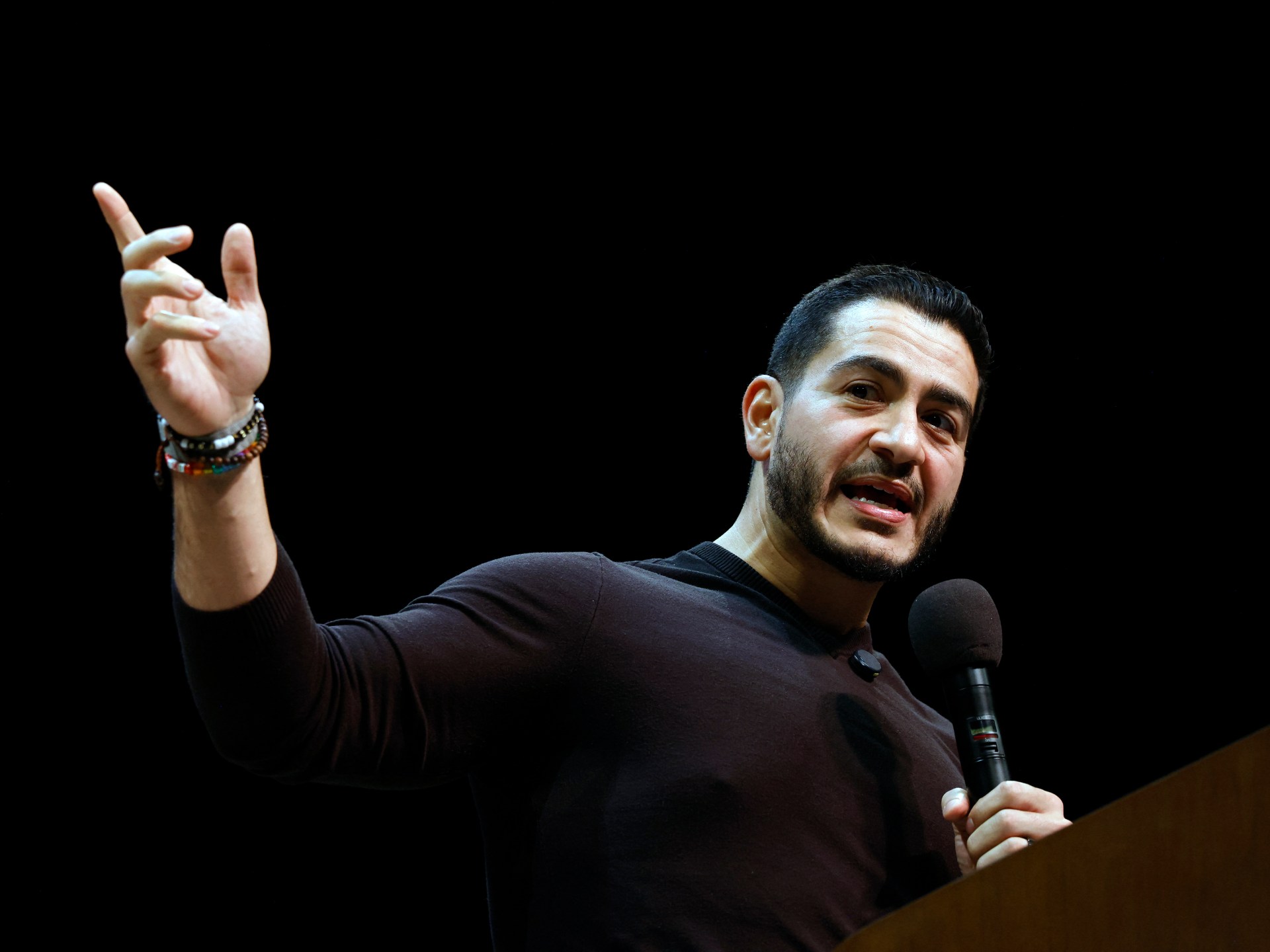
Key takeaways:
- Trump called El-Sayed a “jihadist” at a Michigan rally and invoked a passenger who fought back against the September 11 hijackers.
- El-Sayed denied any connection to the Muslim Brotherhood and called the attacks “deflections and deceptions based on no evidence”.
- El-Sayed faces Republican Mike Rogers on November 3 in a race for a Democratic-held Senate seat that could affect control of Congress.
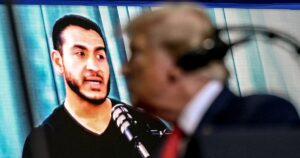
President Donald Trump is facing criticism after calling Michigan Democratic Senate candidate Abdul El-Sayed a “jihadist” at a campaign rally and invoking the September 11 attacks in a race that could help determine control of Congress.
At the Sunday rally, Trump introduced the father of Todd Beamer, a Michigan passenger who helped fight back against the hijackers of United Airlines Flight 93 before it crashed in Pennsylvania. “Michigan needs to stand up and fight, just like Todd did, to stop a jihadist from walking into the Capitol,” Trump said.
Trump also said El-Sayed would “have to go through a metal detector before he’s allowed to go into the Senate”. According to Al Jazeera, Trump accused El-Sayed of wanting to impose “Sharia law” on the United States.
El-Sayed, a former public health official born in the United States to Egyptian parents, is running against Republican Mike Rogers on November 3. The Democratic-held seat is among a handful that could decide the balance of power in Congress. El-Sayed would be the first Muslim elected to the US Senate if he wins.
At a Detroit news conference Monday, El-Sayed called Trump’s attacks “deflections and deceptions based on no evidence”. He said the president was trying to divert attention from petrol prices and the war on Iran, according to Al Jazeera.
“They’re not talking about your gas or your groceries,” El-Sayed said of Republicans. “They’re not talking about clean air or clean water. They’re not talking about any of the things that the government is actually supposed to solve.”
Trump referred to El-Sayed by his middle name, Mohamed. At a rally of his own, El-Sayed replied: “I’ll be Senator Mohamed to you, bro.” He said his name and faith were not why voters struggled to afford gas, groceries or medical care. Senator Bernie Sanders, appearing alongside him, said Republicans were using Islamophobia because “they have nothing to say about the real issues”.
Trump also alleged that El-Sayed belonged to the Muslim Brotherhood. El-Sayed has denied any connection to extremist groups; asked recently whether he would disavow the Brotherhood, he said: “Absolutely.” Rogers has made unfounded allegations linking El-Sayed to the Brotherhood, Hamas and Hezbollah a central campaign issue, Al Jazeera reported.
The BBC reported that critics have cited a 2012 social media post by El-Sayed’s half-sister referring to family ties to the Brotherhood, as well as writings linked to El-Sayed from more than a decade ago. El-Sayed’s team has distanced him from other comments by his half-sister. The BBC also noted that Rogers, while chairing the House Intelligence Committee in 2012, told Reuters that some Brotherhood members might warrant cautious engagement.
Among those condemning Trump’s remarks was Bishara Bahbah, founder of a group formerly called Arab Americans for Trump. “The president’s statements are out of line,” he told the Associated Press. “They are crossing a red line. They are racist.”
Asked about accusations of Islamophobia, White House spokesman Davis Ingle accused El-Sayed of seeking higher taxes, cuts to police funding and a ban on gasoline-powered vehicles. “President Trump will continue to call out complete and total extremists like El-Sayed without apology,” Ingle said.

Be First to Comment