Key takeaways:
- The sanctions block ICC assets under U.S. jurisdiction and generally bar U.S. individuals and companies from doing business with the court.
- Rubio said the United States would pursue further action if the ICC and its member countries did not address Washington’s concerns.
- The ICC called the sanctions an assault on the rule of law and appealed to its 125 member states for support.
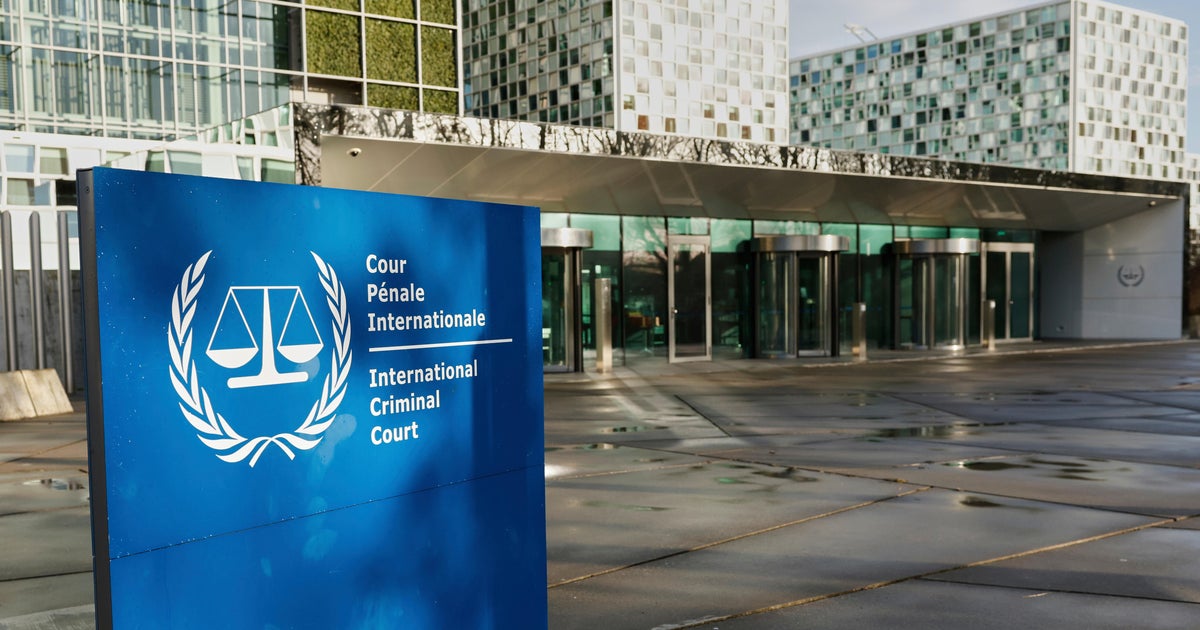
The Trump administration imposed sanctions on the International Criminal Court on Friday, targeting the institution itself after previously penalizing more than a dozen of its judges and prosecutors. Secretary of State Marco Rubio said Washington would press ahead unless the court addressed U.S. objections.
“Either the ICC will end its threats, or we will end the ICC,” Rubio said. He said the measures were intended to defend U.S. sovereignty and prevent the court from prosecuting Americans, and vowed to dismantle it “brick by brick” if necessary.
The sanctions block ICC assets under U.S. jurisdiction and generally prohibit U.S. individuals and companies from doing business with the court. That could affect services such as banking and software. CBS News reported that the Treasury Department is allowing some services to continue and giving the court 180 days to maintain certain operations while its member countries address Washington’s concerns.
“We have structured this action to provide an opportunity for States Parties to negotiate and present a solution to address our concerns,” Rubio said. “If these efforts do not bear fruit, we will continue to adjust accordingly.” He also called on U.S. allies that belong to the ICC to “rein in” the institution.
The court condemned the sanctions as an attempt to disrupt its work and intimidate people who cooperate with it, calling them “an assault on the rule of law.” It said it would not be deterred.
“The Court will continue to fully discharge its mandate, with independence and impartiality,” ICC President Tomoko Akane said. The court appealed to its 125 member states for resources to keep operating. According to CBS News, those members include Canada, Japan, Australia and most U.S. allies in Europe.
Neither the United States nor Israel is a party to the Rome Statute, which established the ICC. Washington disputes the court’s authority over Americans, while the court maintains that it can prosecute crimes committed on territory under its jurisdiction even if the accused is from a country that has not joined. The court has investigated alleged war crimes by U.S. personnel in Afghanistan and issued arrest warrants for Israeli leaders, including Prime Minister Benjamin Netanyahu, over alleged crimes in Gaza. The BBC reported that the Afghanistan investigation has since been deprioritized.
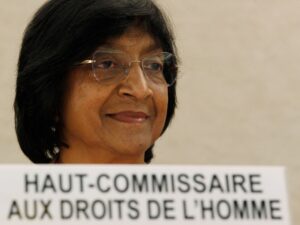
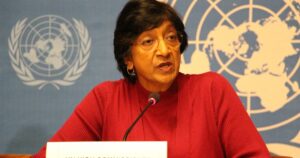
The sanctions were announced hours after the Norwegian Nobel Committee awarded the 2026 Nobel Peace Prize to Navi Pillay, a former ICC judge. Pillay served on the court from 2003 to 2008 and later became the United Nations High Commissioner for Human Rights. She also chaired a U.N. inquiry that found “reasonable grounds” to conclude Israeli authorities and security forces had committed and continued to commit acts of genocide in Gaza. Israel strongly rejected the finding.
“We are living through an era when international law and human rights are under significant political attack,” Pillay said in a video after receiving the prize. She said the pressure was “particularly visible with the attacks on the International Criminal Court.” Netanyahu’s office criticized the Nobel Committee’s choice, saying it had “lost its moral compass.”




Be First to Comment