Key takeaways:
- Pillay, 85, is the fifth South African to win the Nobel Peace Prize.
- The Nobel committee cited her work prosecuting genocide and advancing legal recognition of sexual violence as an international crime.
- Israel rejected the findings of a Gaza inquiry Pillay chaired and criticized her award; the Nobel committee said it took no position on whether Israel’s offensive amounted to genocide.
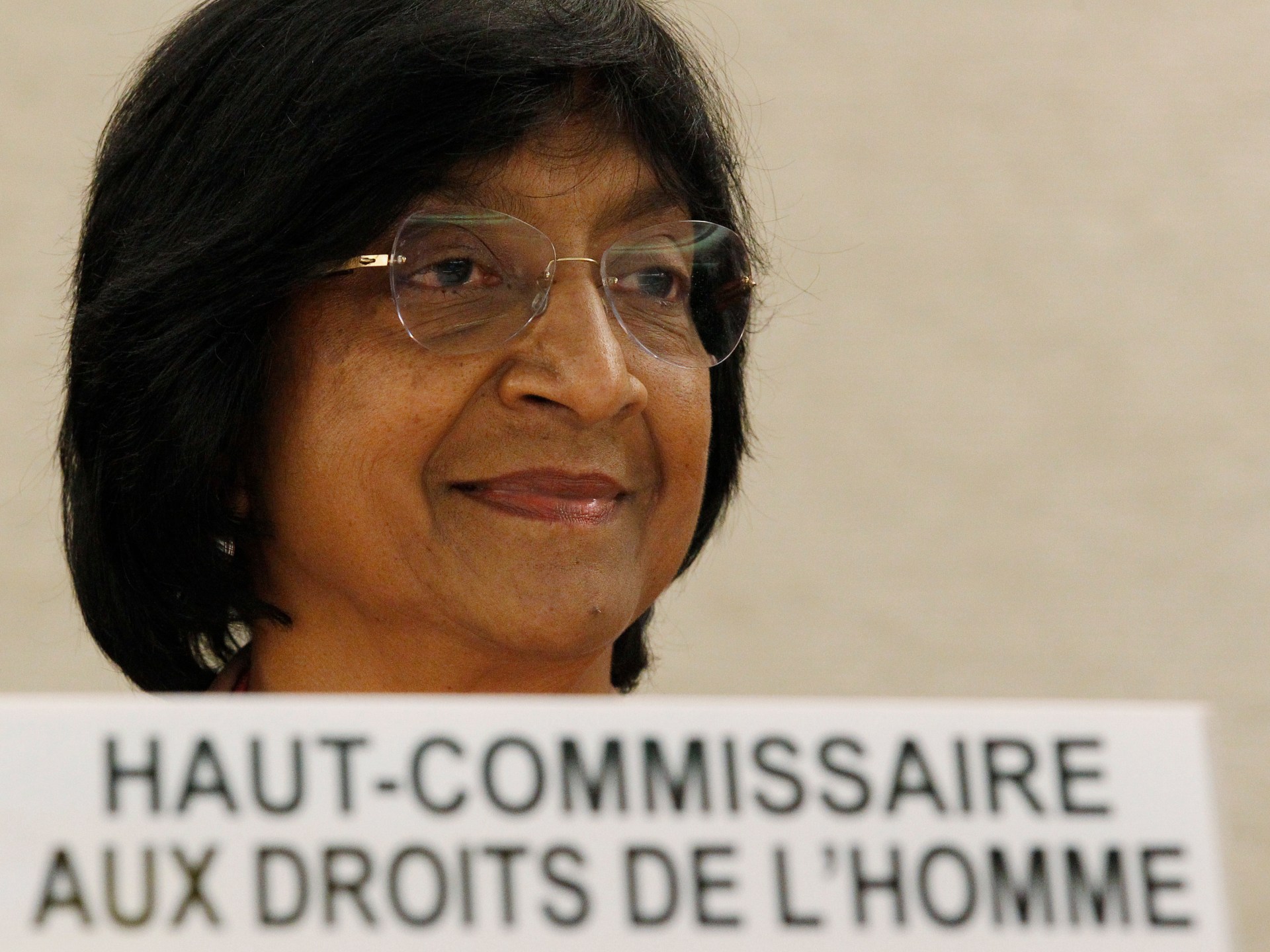
South African jurist Navi Pillay has won the 2026 Nobel Peace Prize for a career spanning the fight against apartheid, the prosecution of genocide in Rwanda and investigations of alleged violations of international law.
The Norwegian Nobel Committee announced the award Friday, honoring the 85-year-old for her “efforts to promote peace and international law.” Committee chair Jørgen Watne Frydnes said her work had been “instrumental in ensuring that war crimes, crimes against humanity, and genocide are prosecuted.”
Pillay is the fifth South African to receive the Peace Prize, joining laureates including Nelson Mandela and Archbishop Desmond Tutu. Born in Durban in 1940 to parents of Tamil descent, she grew up under apartheid and became the first woman to establish a law practice in Natal Province. She defended anti-apartheid activists and later became the first woman of colour appointed to South Africa’s High Court.
Her legal work reached far beyond South Africa. Pillay served as a judge and later president of the UN-backed International Criminal Tribunal for Rwanda, which prosecuted crimes committed during the 1994 genocide that killed about 800,000 people. The Nobel committee credited her role in establishing that rape and sexual violence could constitute crimes against humanity and genocide. It also cited a case in which a defendant faced charges of incitement to genocide based on propaganda.
Pillay served as UN high commissioner for human rights from 2008 to 2014. From 2021 to 2025, she chaired a three-member UN inquiry into alleged violations of international law in the occupied Palestinian territory. The panel concluded that Israel had committed genocide in Gaza and that Prime Minister Benjamin Netanyahu and former Defence Minister Yoav Gallant had incited genocide in their statements. It had previously found that Hamas and other Palestinian armed groups committed war crimes and other grave violations during the October 7, 2023, attack, in which about 1,200 people were killed and 251 taken hostage. That report also accused Israel of war crimes.
The inquiry did not speak officially for the UN and had no legal authority. Israel rejected its findings, and its Foreign Ministry called Pillay’s award a “grotesque weaponisation of an award to legitimise anti-Israel hatred and prejudice.” Frydnes said the Nobel organisation was not taking a position on whether Israel’s offensive in Gaza amounted to genocide.
Pillay is now a judge on the International Court of Justice in a case brought by The Gambia accusing Myanmar of genocide against its Rohingya minority. Myanmar denies the allegation; a government representative called it “unsubstantiated” in January.
The committee said it initially could not reach Pillay to tell her she had won. When supporters applauded, she questioned whether the news was true, then joked: “If you clap a little bit more, I may share this prize with Trump.” She later said she would dedicate the award to “all of the survivors of international crimes.”
“This award strengthens my conviction that we must stand together in defence of the rule of law, in defence of independent courts and an international legal order based on principle,” Pillay said. UN human rights chief Volker Türk and South African President Cyril Ramaphosa were among those who welcomed the award.






Be First to Comment