Key takeaways:
- Police briefly detained opposition lawmakers, including Rahul Gandhi, during Tuesday’s march in New Delhi, Al Jazeera reported.
- The Special Intensive Revision began in Bihar last year and has expanded to most Indian states and federally administered territories.
- Election Commission data indicates voter lists could shrink by as much as 30% in some regions.
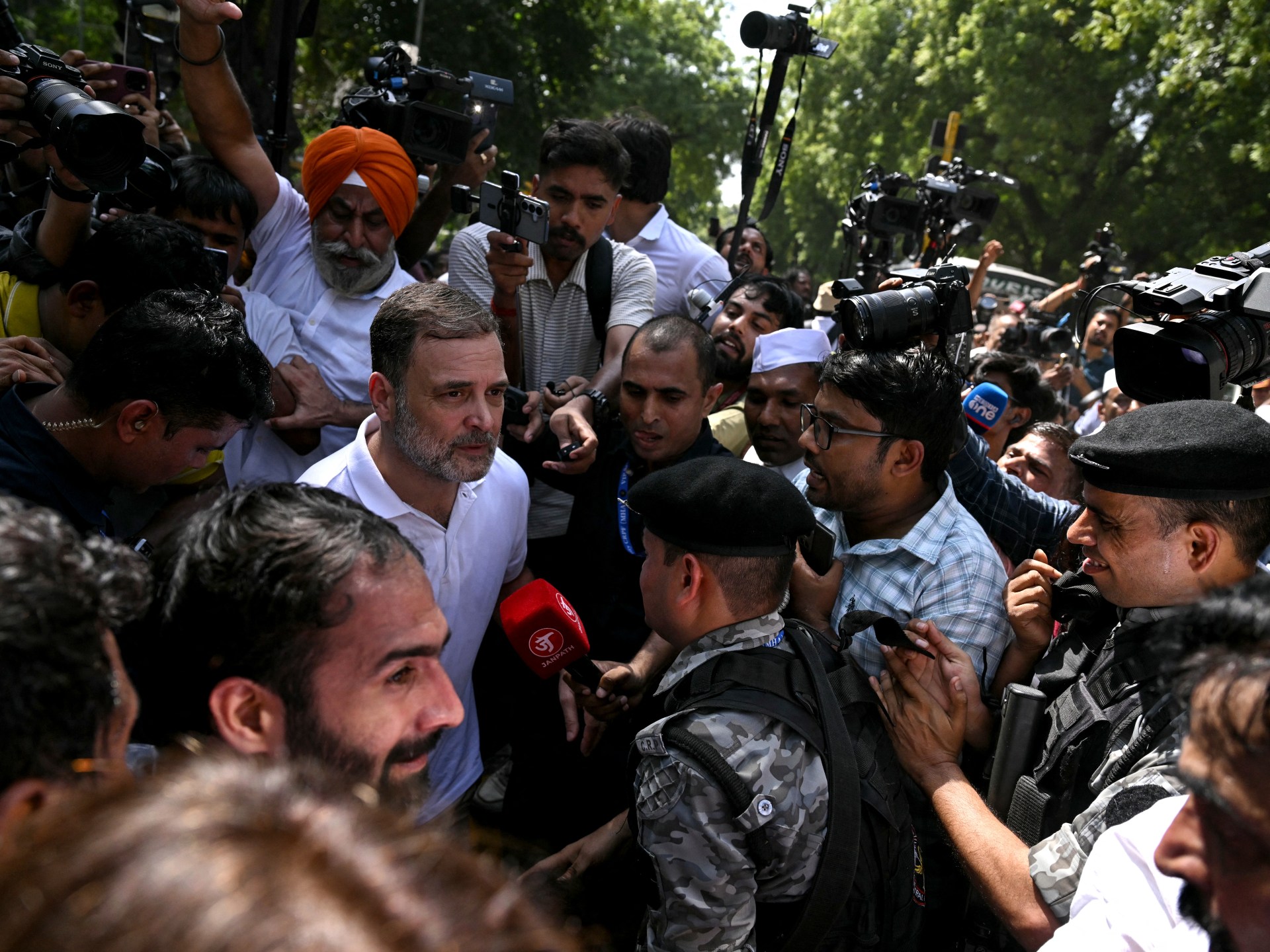
Police briefly detained opposition lawmakers in New Delhi on Tuesday after they tried to cross barricades during a march demanding the resignation of India’s election chief, Al Jazeera reported. Rahul Gandhi, a leader of the Congress party, was among those detained and was released soon afterward, according to Al Jazeera, citing AFP and local media.
The march was part of a wave of protests over a voter list revision that opponents say could exclude millions of eligible voters and benefit Prime Minister Narendra Modi’s ruling Bharatiya Janata Party, or BJP. The Election Commission and the government deny wrongdoing.
Lawmakers carried placards, waved Indian flags and shouted slogans against Chief Election Commissioner Gyanesh Kumar as they marched about 1 kilometer (0.6 miles) from parliament toward Election Commission headquarters, Al Jazeera reported. Opposition parties, student groups, civil society organizations and the “Cockroach” youth movement have taken part in protests that began last week. NPR reported that the youth movement previously organized street protests that forced the education minister to resign in July.
“The election commission is a puppet in the hands of the government,” Congress President Mallikarjun Kharge told reporters as Tuesday’s march began, according to Al Jazeera. BJP spokesperson Sambit Patra accused Congress leaders of trying to “establish anarchy in the country and attack institutions.”
At the center of the dispute is the Special Intensive Revision, a voter list review that began last year in Bihar before state elections and has expanded to most Indian states and federally administered territories. Voters must provide documents establishing their eligibility to remain registered. The Election Commission says the review is necessary to remove duplicate, deceased or otherwise ineligible entries and protect the accuracy of the lists. Al Jazeera reported that the commission directed officials on Friday to register eligible voters inadvertently left off the rolls.
Critics say the documentation rules are confusing and particularly difficult for poorer people and others who lack older government records. Election Commission data indicates that voter lists could shrink by as much as 30% in some regions.
Opposition parties accuse the commission, an independent constitutional body, of favoring the BJP by removing people more likely to support its rivals while retaining or adding BJP supporters. The commission and the BJP reject allegations of political bias. Modi’s party says the exercise is intended to remove people it calls “infiltrators,” NPR reported.
NPR reported that a voter list revision in West Bengal ahead of state elections earlier this year removed about 9 million names, roughly 12% of the electorate, leaving millions of eligible voters unable to cast ballots. The BJP won the state for the first time, according to NPR.
Questions have also arisen over decisions within the Election Commission. NPR cited a September report by The Indian Express saying two of its three commissioners formally objected to several decisions on voter lists, registration and digital systems, but Kumar rejected their objections. The commission said the report described “differing views and deliberations,” not formal written objections.
Protesters want Kumar to resign or be removed, an inquiry into his conduct, a halt to the revision and the use of previous voter lists for future elections. They are also seeking a more independent and transparent process for appointing election commissioners.




Be First to Comment