Key takeaways:
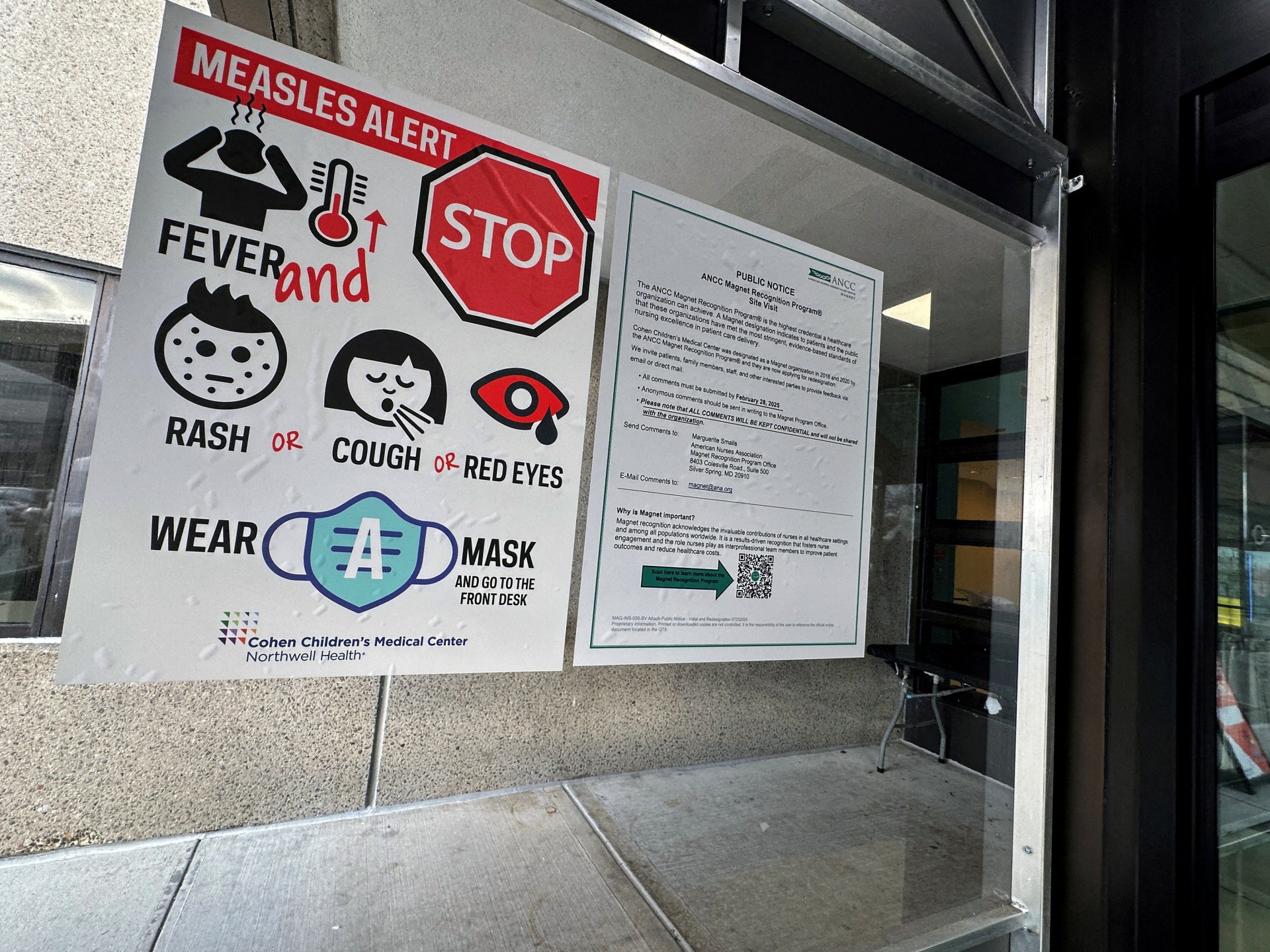
- Pennsylvania has reported 731 confirmed measles cases across 38 counties, 141 hospitalizations and four measles-associated deaths this year.
- Health Secretary Debra Bogen said Pennsylvania may rescind its Epi-Aid request if the CDC does not publicly recognize the four deaths.
- HHS said the CDC had not received the request through normal channels and said outbreak assistance should not be linked to how deaths are classified.
Pennsylvania is moving to seek emergency help from the Centers for Disease Control and Prevention as a measles outbreak spreads across the state, but health officials say they may withdraw the request unless the federal agency publicly recognizes four deaths the state has classified as measles-associated.
In a letter sent Wednesday to CDC Director Erica Schwartz, Pennsylvania Health Secretary Debra Bogen said the state had begun requesting an Epi-Aid, a form of rapid CDC assistance for urgent public health problems. She tied the request to a growing dispute over how the deaths should be counted.
“The CDC’s choice not to publicly recognize the deaths undermines our response,” Bogen wrote. “For this reason, if CDC is unable to transparently and accurately communicate information about those measles-associated deaths, the Department will respectfully rescind our request for a CDC Epi-Aid.”
The state has reported 731 confirmed measles cases across 38 counties this year, along with 141 hospitalizations, according to Al Jazeera. Four people have died from measles-related illness as of Tuesday, according to the Pennsylvania Department of Health. The state says all four were unvaccinated. Of the reported cases, only four people — less than 1% — were vaccinated, Al Jazeera reported.
The request marks a shift for Pennsylvania, whose health officials had previously said they could manage the outbreak without federal support. The outbreak has since expanded from its earlier center in Lancaster County, where Pennsylvania first reported two deaths among unvaccinated people in August.
The dispute centers on whether the deaths should be counted as “measles-associated” or as deaths caused by measles. Pennsylvania uses the term “measles-associated” under its state surveillance definition. The Department of Health and Human Services said it is working with the Council of State and Territorial Epidemiologists to develop a standardized definition for measles deaths, according to Al Jazeera.
The CDC initially included the first two Pennsylvania deaths in its national count, then removed them after Health Secretary Robert F. Kennedy Jr. questioned whether measles had caused or contributed to the fatalities, Al Jazeera reported. The agency said at the time that available information did not establish whether measles caused or contributed to the deaths. Pennsylvania has stood by its determination.
Kennedy has also accused Democratic Gov. Josh Shapiro of politicizing the outbreak and failing to seek federal help. Grace Davis Jamison, press secretary for HHS, told Al Jazeera the CDC had not received Pennsylvania’s request through normal channels and said federal outbreak assistance is separate from death tabulation.
“CDC will not allow Governor Shapiro to politicize this process. We owe the American people accurate, consistent, and transparent public health information,” Jamison said. “CDC will not submit to political blackmail that conditions critical public health assistance. The people of Pennsylvania should never be used as leverage in a political dispute over how deaths are classified.”
The Guardian reported that Kennedy instructed the CDC last month not to include Pennsylvania’s reported fatalities in the national measles death count, a step health experts called “highly unusual” and warned could cause the public to underestimate the risks of measles. The Guardian also reported that the Trump administration changed the way it counts measles deaths during the Pennsylvania outbreak, with the CDC now using National Center for Health Statistics data to track mortality trends over time. The reason for the change is unclear.
The United States is experiencing its worst measles outbreak since 1991. Measles was declared eliminated in the country in 2000, but cases have risen in recent years amid increasing vaccine skepticism. Pennsylvania is among the hardest-hit states.
An Epi-Aid generally lasts one to three weeks and sends CDC Epidemic Intelligence Service officers to help analyze data, evaluate surveillance systems and recommend steps to control disease spread. The state or local health authority remains in charge, while CDC personnel provide technical assistance, including epidemiological expertise and laboratory resources.
Matthew Ferrari, director of Pennsylvania State University’s Center for Infectious Disease Dynamics, told Al Jazeera that “measles-associated” death has long been used by the World Health Organization and CDC.
“It’s the most useful distinction because it is a case that could have been prevented by a measles vaccination, or by early detection and isolation,” Ferrari said. “Measles is severely immunocompromising, so it is very often a secondary infection that is the ultimate cause of death.”







Be First to Comment