Key takeaways:
- Nepal flew flags at half-staff Monday on the 13th day after the flood, the final day of the traditional Hindu mourning period.
- Death toll and missing figures vary by outlet: the BBC reported at least 1,287 dead and 5,083 missing in Nepal, while Al Jazeera reported at least 1,380 dead and more than 5,500 missing.
- Authorities say about 900 workers are missing at 12 hydropower projects, with roughly 500 believed to be trapped in tunnels.
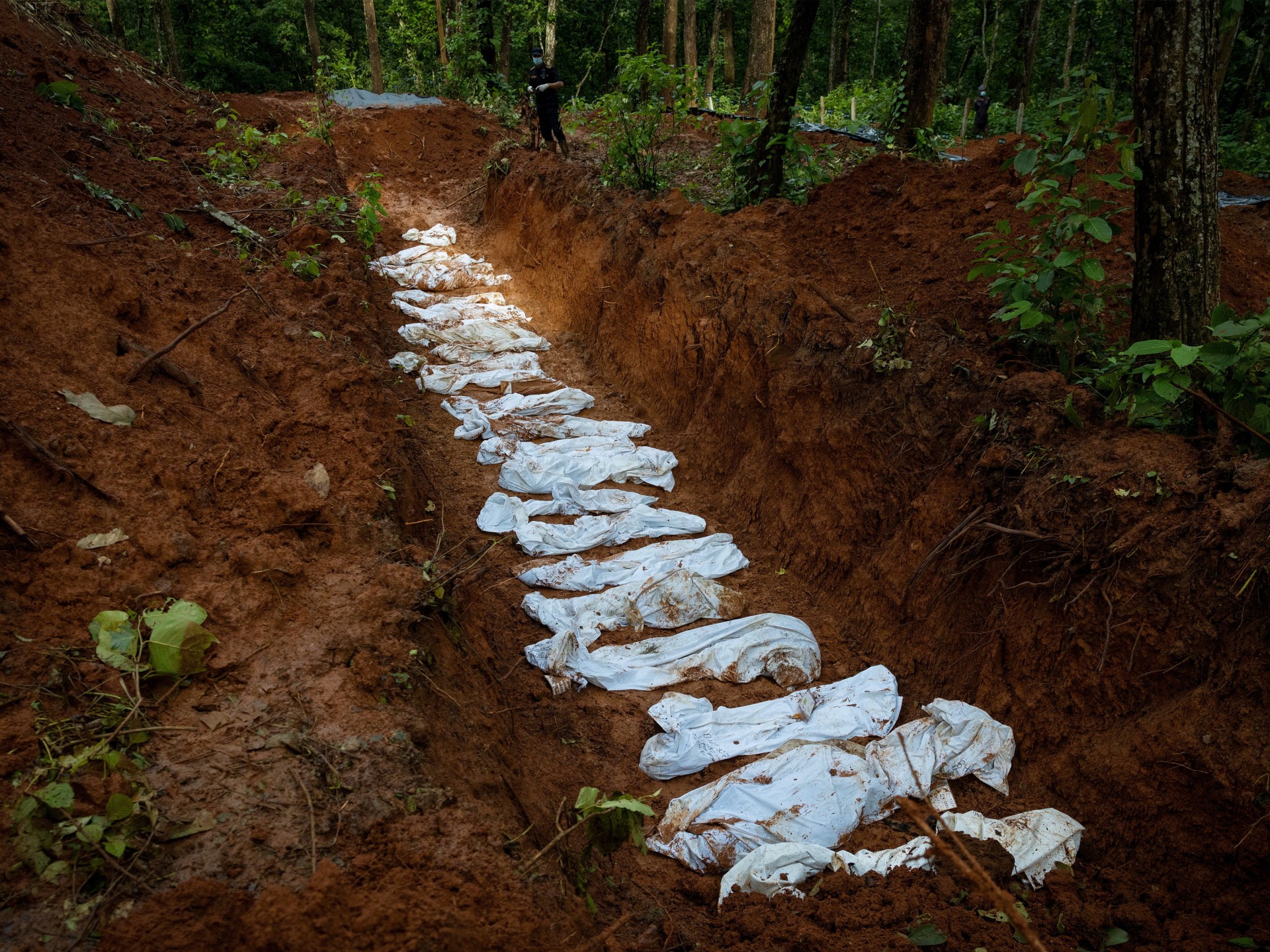
Nepal lowered flags and lit candles Monday for victims of a catastrophic Himalayan flash flood, even as rescuers kept digging through debris and searching hydropower tunnels for thousands of people still missing nearly two weeks after the disaster.
The national day of mourning marked the 13th day since the flood, the final day of the traditional Hindu mourning period. Government offices in Nepal and diplomatic missions abroad flew the national flag at half-staff, the Ministry of Home Affairs said. Candlelight vigils were planned for Monday evening, but official commemorations were limited because rescue operations were still under way.
“There are no government programmes organised as the rescue and search operation is still going on in the flood-hit areas,” Phanindra Paudel of the National Emergency Operation Centre told Reuters.
The flood, believed to have been triggered by a glacial collapse, swept through villages in a Himalayan valley along the border between Nepal and Tibet. The BBC reported that at least 1,287 people are known to have died and at least 5,083 remain missing in Nepal. Al Jazeera reported that the disaster killed at least 1,380 people and left more than 5,500 missing after a wall of mud and rock collapsed into a river on Aug. 26.
On the Tibetan side of the border, Chinese media reported Friday that 31 people had died and 531 were unaccounted for, the BBC reported. On Sunday, rescue workers in China recovered 12 bodies near the Nepal-Tibet border using excavators, shovels and ground-penetrating radar.
Nepal’s president, Ram Chandra Paudel, toured flood-hit areas Monday and was expected to survey damage, an aide said. Meanwhile, families of missing hydropower workers gathered near the offices of the prime minister and key ministries in Kathmandu, pressing authorities to speed up the search.
Sumana Shrestha stood with relatives holding a poster of her 55-year-old husband, a consulting geologist who has not been heard from since the day of the flood. He had been due home after a shift at the Trishuli hydropower plant project office, a two-and-a-half-storey building that was buried by debris.
“We are here because we have not heard of any rescue attempt on this project, but it has been 13 days already,” she said. “The only thing we have been able to do is pray to God and hope for a miracle.”
Another protester, Mahesh Prasad Shrestha, held a photograph of his brother Niraj Shrestha, a 52-year-old engineer who worked at the same site. He said authorities sent only a small excavator by helicopter on the sixth or seventh day after the disaster. “They should have ordered big helicopters from places like China or India to fly in equipment,” he said.
Rescue efforts have focused in part on 12 hydropower projects, where authorities say about 900 workers are missing and roughly 500 are believed to be trapped in tunnels. Specialized teams from India, China, South Korea and the United States have been searching debris, damaged structures and tunnels, Al Jazeera reported.
Army spokesperson Raja Ram Basnet told Agence France-Presse that rescuers were continuing “with the same tempo we had on day one.”
“Our focus is on search and rescue at three levels – on ground, by air, and in the tunnels,” he said. “We are making sure that no one is still stranded.”
Four people have been rescued in recent days, three of them at hydropower stations or tunnels. They included a Chinese national pulled from a tunnel at a hydropower site Saturday, two hydropower workers rescued from another tunnel Friday, and a 64-year-old Nepali woman found alive in her buried house more than 10 days after the flood. She was discovered on the fourth floor by Nepal’s Armed Police Force and airlifted to a hospital in Kathmandu.
Australian tunnel rescue expert Arnold Dix, who is advising Nepali teams, said on X that the operation involved “multiple potential rescues, unfolding at the same time, in different places, each with its own dangers, uncertainties and lives that may still be saved.”





Be First to Comment