Key takeaways:
- Guyana received six Cuban and Afghan nationals deported from the United States after vetting them and finding no criminal backgrounds.
- Foreign Secretary Robert Persaud said the one-year arrangement does not constitute permanent resettlement and that the U.S. has made no further requests.
- More than 30 countries have reached third-country deportation agreements with the Trump administration, according to CBS News.
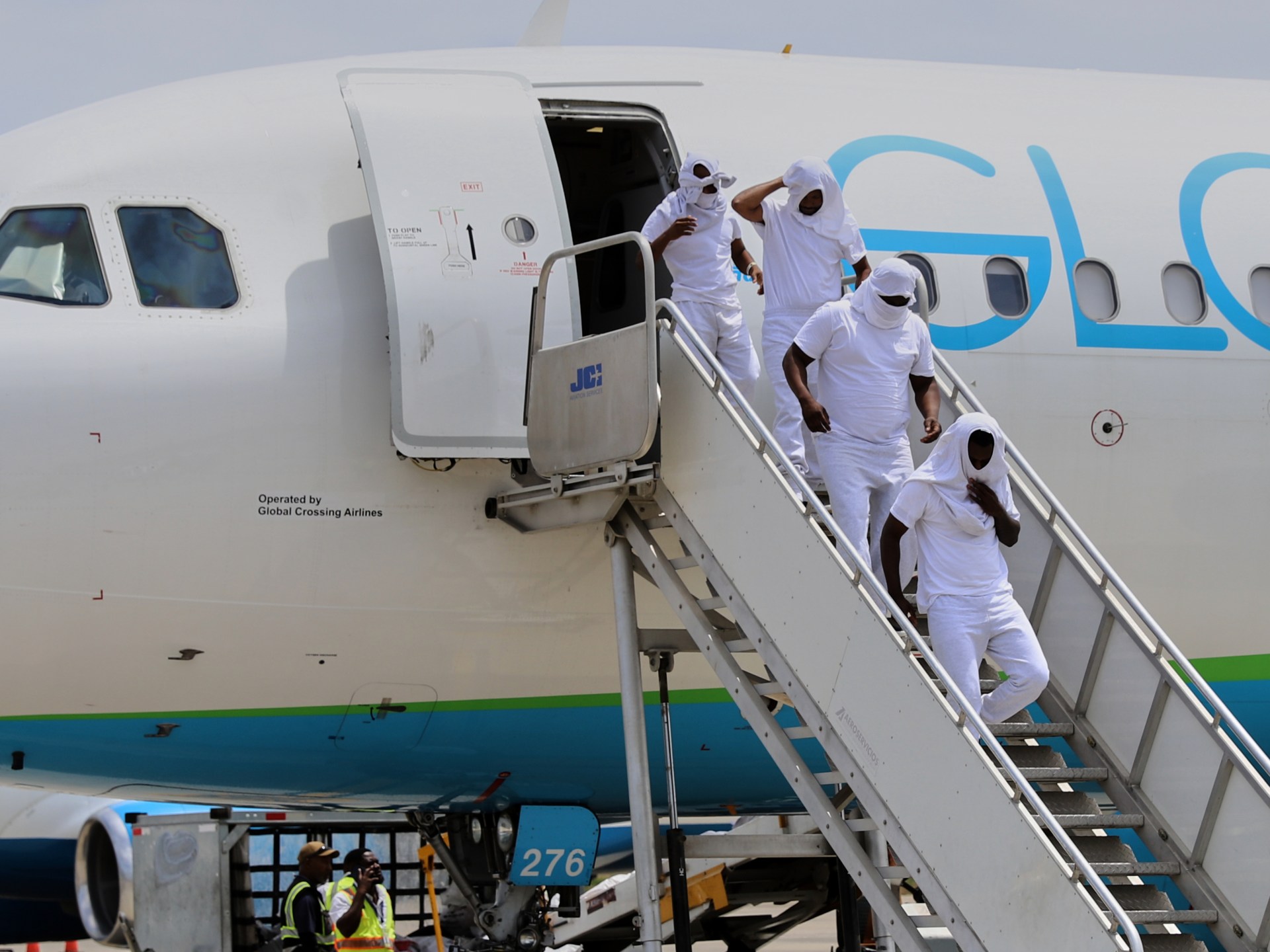
Guyana has received six Cuban and Afghan nationals deported from the United States, becoming the latest country to accept noncitizen deportees under the Trump administration’s expanding third-country removal program.
Guyana’s Foreign Secretary Robert Persaud told The Associated Press that the group arrived Friday after being vetted by his government and found to have no criminal backgrounds. A U.S. official told CBS News that the deportees were expelled by the Trump administration.
Persaud said Guyana agreed to host the deportees after months of negotiations with the United States. “The U.S. has not made any further requests,” he told the AP.
The arrangement will last for one year and does not amount to permanent resettlement, Persaud said. Guyana’s government said the deportees were relocated under what it called the “Assisted Voluntary Return Program” and will remain in Guyana while awaiting the outcome of their immigration cases. They could eventually return to their countries of origin or be relocated elsewhere.
The U.N. International Organization for Migration is responsible for implementing the program, Guyanese authorities said. The government said it will not cover housing or support costs for the deportees.
The arrivals place Guyana among more than 30 countries that have reached agreements with the Trump administration to accept deportees from the United States who are not their own citizens, according to CBS News. Amnesty International estimates that more than 30 countries have entered into such agreements since Trump returned to office, including 15 in the Americas region, Al Jazeera reported.
Third-country deportations involve sending foreign nationals to countries other than their country of origin. The Trump administration has sought to expand the practice, striking arrangements with governments around the world, including in Africa, Al Jazeera reported. Some of those deals have involved multimillion-dollar payments, according to Al Jazeera.
Trump officials have defended the policy as legal and effective, arguing that it helps deter illegal immigration and addresses cases in which countries such as Cuba refuse to accept deportees from the United States.
Human rights groups have condemned the practice, calling it inhumane and illegal under international law. Activists say some deportees are sent onward to places they fled because of persecution. Rights groups also argue that third-country removals punish migrants and pressure them to abandon immigration claims in the United States.
Concerns have also focused on conditions in destination countries. Al Jazeera reported that some countries receiving deportees struggle with poverty, instability, conflict and human rights abuses. Deportees may have no familiarity with the countries where they are sent and may not speak the language.
The Guyana agreement follows similar arrivals in other Caribbean Community member states. Guyana is a founding member of the 15-nation bloc. St. Kitts and Nevis and Belize have also received small groups of U.S. deportees, and St. Lucia was due to accept its first group this week, officials said.
The removals come as the Trump administration intensifies immigration enforcement during the president’s second term. Al Jazeera reported that the administration has stripped tens of thousands of migrants of legal status by canceling programs such as Temporary Protected Status and humanitarian parole, and that reports have emerged of plans to revoke visas from roughly 200,000 people seeking asylum.
Al Jazeera also cited the Transactional Records Access Clearinghouse, a Syracuse University research organization, as estimating that 70.6% of foreign nationals currently in U.S. immigration detention have no criminal conviction.









Be First to Comment