Key takeaways:
- The Panama Canal will limit daily transits to 34 ships on Sept. 4 and 32 ships on Sept. 15, down from the current 36.
- The authority said the restrictions are needed to protect service reliability and safeguard water resources for human consumption during expected dry conditions.
- A severe 2023 drought linked to El Niño cut Panama Canal traffic by roughly 36 percent, according to Al Jazeera.
The Panama Canal will cut the number of ships allowed to pass through the waterway next month as officials prepare for lower water levels linked to El Niño, a move that could slow shipments on one of the world’s most important trade routes.
The Panama Canal Authority said Thursday it will begin phasing in new transit limits on Sept. 3. Under the plan, 34 vessels a day will be permitted to use the canal starting Sept. 4, and the cap will fall to 32 vessels a day on Sept. 15. The canal currently allows 36 daily transits, according to the BBC, while Al Jazeera reported it usually has capacity for about 40 vessels per day and has averaged 35 daily transits since June.
The authority said the measures are intended to preserve the reliability of the canal’s service while safeguarding water resources for human consumption. It said that even with the arrival of Central America’s rainy season and existing water-saving measures, more action was needed “to support the long-term sustainability of transit operations.”
The restrictions mark a reversal from the authority’s position earlier this year. Al Jazeera reported that officials told Reuters in May they had no plans to limit crossings in 2024 because of conservation measures adopted last year.
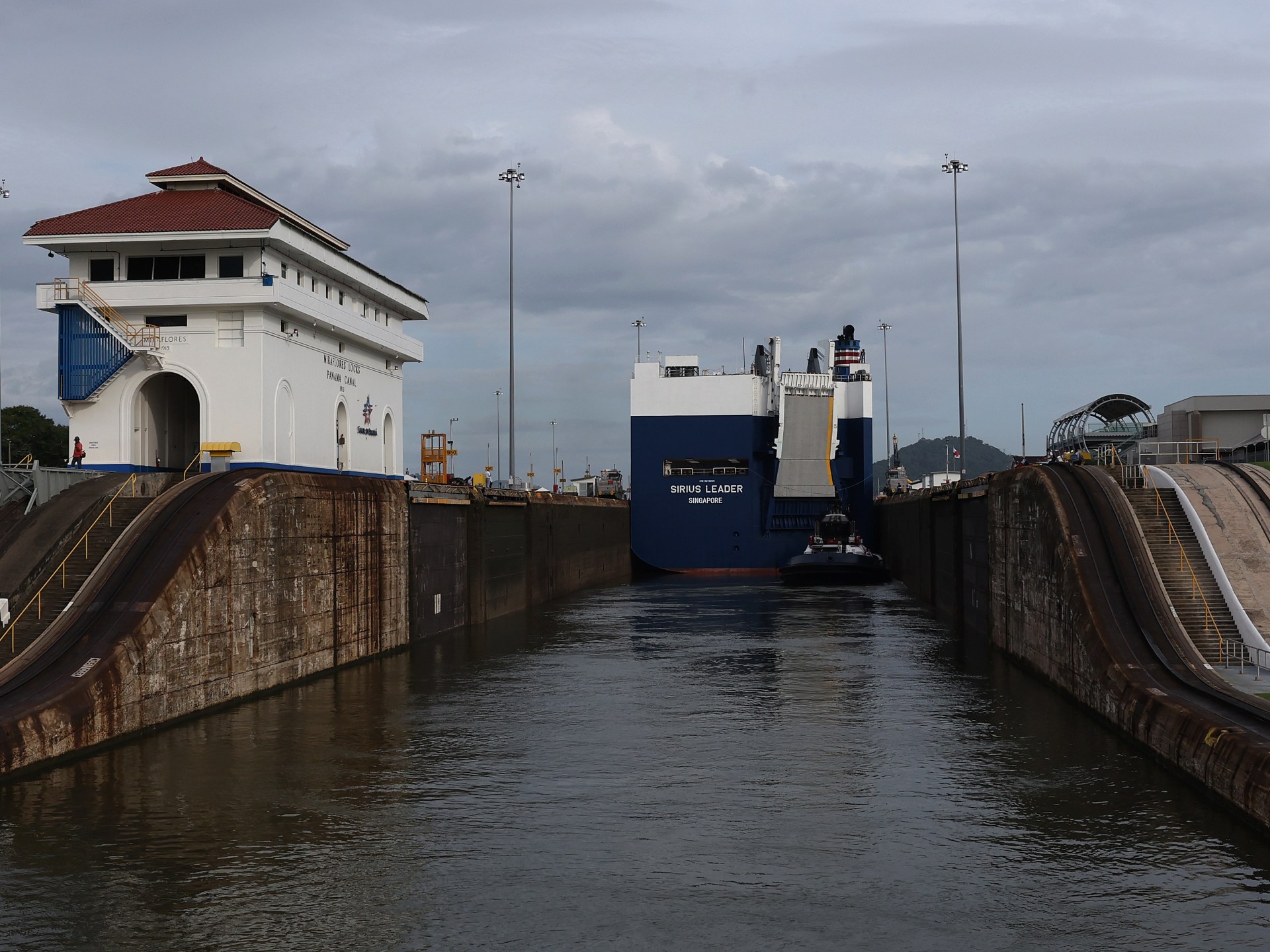
The Panama Canal links the Atlantic and Pacific oceans, sharply reducing travel time and distance for ships moving between them. About 14,000 vessels use the artificial waterway each year, according to the BBC. The canal operates around the clock and is a major source of revenue for Panama, bringing in about $3 billion a year.
Al Jazeera reported that the canal handles about 5 percent of global maritime trade. Any major reduction in traffic is likely to slow international shipping for industries that depend on the route and could raise costs.
The canal depends on a lock system that lifts and lowers vessels as they move between the Pacific Ocean and the Caribbean Sea. That system uses freshwater from nearby lakes and reservoirs, especially Gatun Lake. The same lake also supplies drinking water to nearby cities, including Panama City, adding pressure during dry periods.
El Niño is a naturally occurring climate pattern that takes place every two to seven years, when the eastern tropical Pacific Ocean becomes warmer than usual. Its effects can alter weather systems across regions and globally, increasing the risk of drought and extreme heat in some areas and flooding in others.
Scientists expect the current El Niño to be particularly strong, potentially among the strongest on record, according to Al Jazeera. The BBC reported that its effects are expected to be intensified by climate change.
The canal faced severe drought conditions in 2023, when Panama recorded its driest October since records began in 1950, according to the BBC. During that El Niño period, the authority cut vessel traffic through the canal. Al Jazeera reported that the drought reduced traffic by roughly 36 percent and disrupted global supply chains.
Since then, the authority has introduced measures to reduce water use. But officials said Thursday that lower rainfall tied to El Niño requires additional limits.
The BBC reported that the shipping industry is also facing severe disruptions from the Iran war, which has sharply reduced the number of vessels passing through the Strait of Hormuz.










Be First to Comment