Key takeaways:
- Louisiana has confirmed nine Vibrio vulnificus cases this year, all hospitalized, with five deaths; Florida has reported 14 cases and two deaths.
- The CDC says about one in five people infected with Vibrio vulnificus die, though infections remain rare compared with other infectious diseases.
- Health officials advise immediate medical care if a wound exposed to brackish or salt water becomes red, swollen, painful, warm or discolored.
At least seven people have died this year along the Gulf Coast from Vibrio vulnificus, a dangerous bacterium found in warm coastal waters that can infect people through open wounds or raw shellfish, health officials said.
Louisiana has confirmed nine cases this year, all requiring hospitalization, and five deaths, the state health department said last week. Over the same period during the previous decade, Louisiana averaged seven cases and one death. Florida has reported 14 cases and two deaths so far this year, compared with 33 cases and five deaths for all of last year.
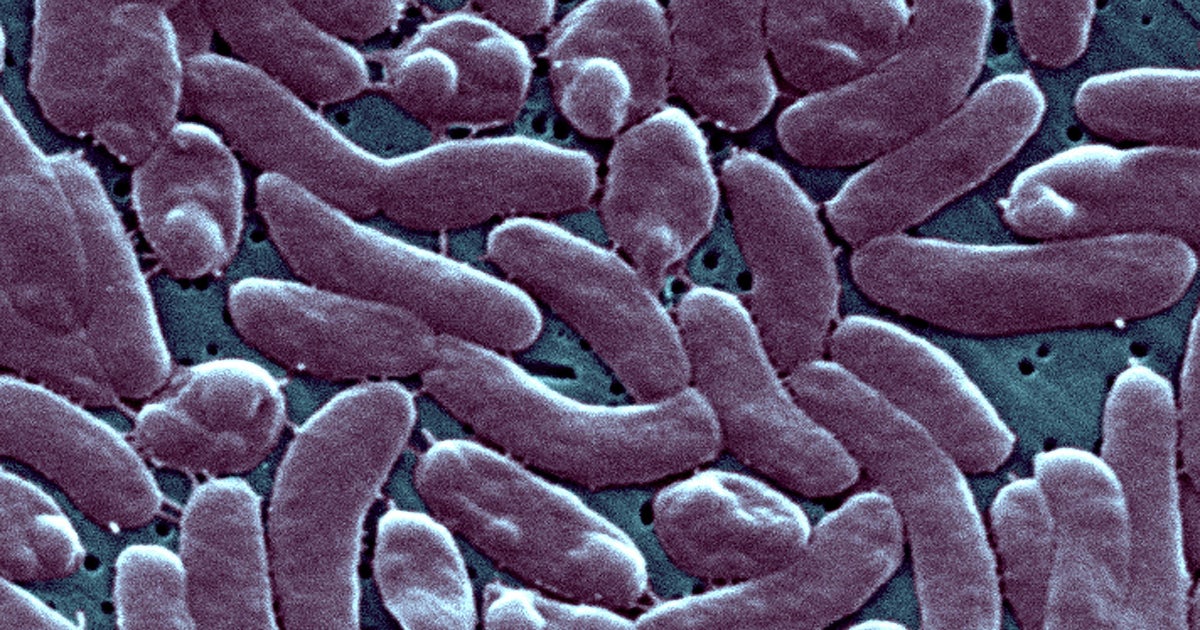
The bacterium, sometimes called flesh-eating because of the severe tissue damage it can cause, thrives in seawater and brackish water, the mix of fresh and salt water found in estuaries and lagoons. Most Vibrio infections are reported from May to October, and most occur in Gulf Coast states. Doctors say the Gulf provides the right combination of salt and heat for the organism to multiply.
The Centers for Disease Control and Prevention says Vibrio vulnificus is the deadliest type of Vibrio bacteria. About one in five people infected with it die, a far higher fatality rate than with other Vibrio bacteria. Though infections remain rare compared with many other infectious diseases, severe cases can progress quickly, causing bruising, swelling, tissue decay, septic shock and death unless treated rapidly with powerful antibiotics.
“Seek medical care immediately if a wound exposed to brackish or salt water becomes red, swollen, painful, warm or discolored,” Louisiana officials said in a release.
Some infections come from eating raw or undercooked shellfish, particularly oysters. Many others occur when bacteria enter the body through small breaks in the skin while a person is in ocean or brackish water. The CDC says Vibrio vulnificus can enter through unhealed cuts and scrapes, recent piercings or tattoos, and recent surgical incisions.
Summerlin Skipworth was spending Labor Day weekend last year at Orange Beach, Alabama, when she injured her foot on rocks along the shore. “It felt like it was broken,” she told CBS News. Within days, the pain intensified and sent her to the emergency room. “It felt like somebody poured gasoline on my foot and lit it on fire,” she said.
Skipworth tested positive for Vibrio vulnificus and needed emergency surgery. Doctors credited early detection with her recovery. “An infection never crossed my mind,” she said. “I just knew I had pain in my foot.” She added, “I’m just thankful to be here.”
Health officials say people at higher risk include older adults, those with weakened immune systems and people with liver disease, diabetes, cancer, HIV, thalassemia or certain chronic illnesses. The CDC also says immune-suppressing therapy and medicines that reduce stomach acid can increase risk.
“If you have those risk factors, and if you have an open wound or abrasion in your skin, you do not want to go swimming in brackish waters along the Gulf Coast and the Atlantic Seaboard,” said Dr. Peter Hotez, dean of the National School of Tropical Medicine at Baylor College of Medicine.
Researchers have detected the bacteria as far north as New York, CBS News reported. Maryland has confirmed more than two dozen cases so far this year, and health officials there have warned people to use caution when swimming in Chesapeake Bay.
Scientists say warming oceans are helping Vibrio spread northward. “With every year now, because of climate change, we’re seeing it higher and higher in more northerly latitudes,” Hotez said. The Guardian reported that a 2023 study found the northernmost case has been shifting by about 30 miles each year.
The CDC advises people to wash cuts and scrapes thoroughly with soap and clean running water after contact with coastal waters or raw seafood. Dr. Cassandra Black, an infectious disease doctor, told CBS News Baltimore that open wounds exposed to water that may contain the bacteria should be cleaned immediately.



Be First to Comment