Key takeaways:
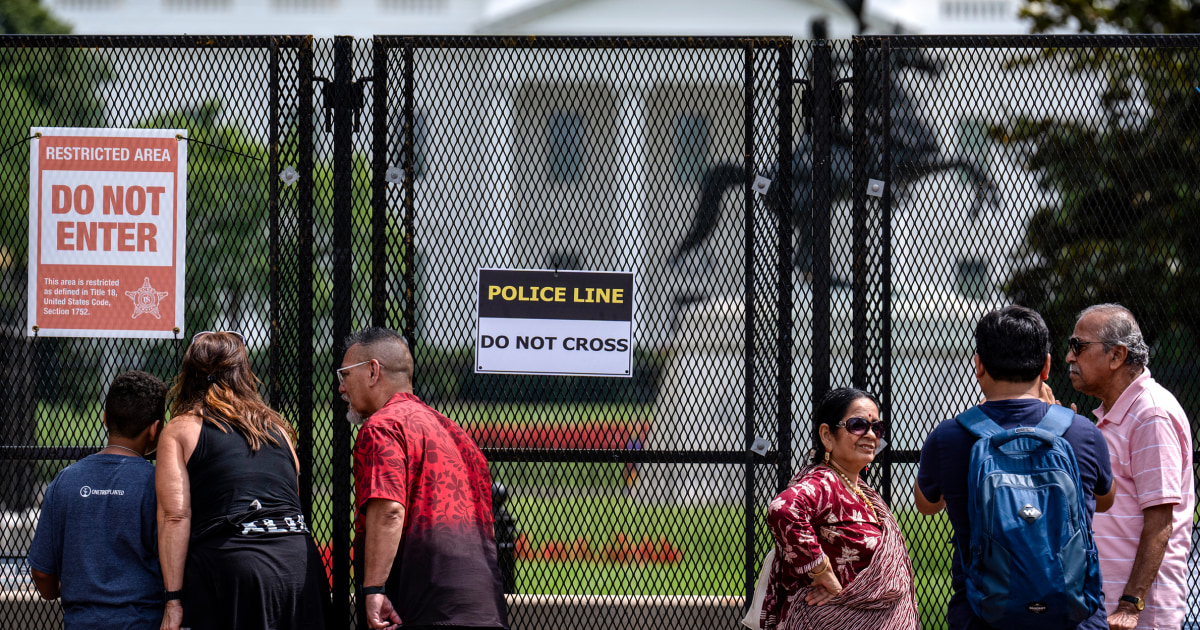
- The proposal calls for permanent 8-to-9-foot fencing around the 7-acre Lafayette Square, with gates that could close during “heightened conditions.”
- The U.S. Commission of Fine Arts reviewed the plan Thursday and appeared receptive, but took no vote.
- More than 100 public comments were submitted, many raising concerns about access to a park long used for First Amendment demonstrations.
The Trump administration is seeking to install permanent fencing around Lafayette Square, a historic protest site across from the White House, drawing concern from demonstrators who say the change could further restrict one of Washington’s most visible spaces for public dissent.
A federal design panel reviewed the proposal Thursday but did not vote on it. Members of the U.S. Commission of Fine Arts, an advisory body with no enforcement authority, appeared receptive to the concept. The seven-member commission is filled with Trump appointees.
“The proposal is not to close the park, but to enclose the park,” said James C. McCrery II, the commission’s vice chair. “It’s still open.” He added, “This is definitely the President’s Park, but also the people’s park, and it’s to be made open but also closable so that it can be made safe.”
The plan, submitted by the Trump administration in a 79-page proposal, calls for permanent 8-to-9-foot fencing around the 7-acre park north of the White House. The U.S. Secret Service and the Executive Office of the President, working with the Interior Department, said the fencing could be closed during “heightened conditions,” NPR reported. The proposal anticipates phased implementation beginning in 2027, depending on funding.
The White House did not answer NPR’s questions about cost, funding or accessibility, saying in a statement, “There are always discussions ongoing about how to make the White House Complex as safe as possible. However, nothing is confirmed at this time.”
Temporary chain-link fencing already surrounds much of Lafayette Square. The National Park Service said in January that parts of the park would be blocked through May for landscaping and repairs ahead of the nation’s 250th birthday celebrations, NPR reported, but the fences remained in place as of mid-July.
President Donald Trump and the Secret Service have raised concerns about White House safety and possible vandalism. McCrery said the Secret Service remains committed to protecting First Amendment rights, but that the conduct of some protesters has led the White House to seek more security measures.
The proposal prompted more than 100 public comments, commission Chairman Rodney Mims Cook Jr. said. Many focused on Lafayette Square’s long history as a gathering place for First Amendment activity and on arguments that the park is public land, not the president’s to close.
That history stretches back more than a century. In 1917, more than 500 women gathered there for suffrage pickets. The park later hosted demonstrations over civil rights, anti-lynching, gay rights, the Vietnam War and nuclear weapons. It also drew large protests after George Floyd’s death in 2020, when the park was temporarily closed.
On Tuesday, protesters gathered outside the fenced park to demonstrate against the administration’s use of Immigration and Customs Enforcement after two deadly shootings in less than a week, NPR reported. Others held signs against war, hate and Trump.
“The White House is the spot that everybody likes to stop at,” said Donna Powell, 67, who told NPR she comes to the area several times a week with her husband and handmade posters. “So we make sure to stop here and protest. We feel it’s very important.”
Another regular demonstrator, Marty Pearl, 83, said the current closure had outlasted its stated timeline. “Unless your calendar is way out of date, July 4th is gone, and this is still sealed off,” he told NPR. “And now the new talk is, this will be permanent.”
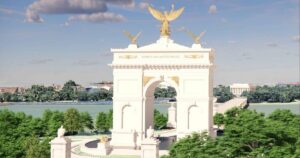
The Lafayette Square proposal is one of several Trump administration efforts to reshape Washington landmarks. Since returning for a second term, Trump has advanced plans for a 250-foot triumphal arch near the National Mall, overseen renovations to the Reflecting Pool and pushed to rename and redesign the Kennedy Center. The commission also approved revised plans Thursday for a new White House visitor security screening facility, following the start of construction on a ballroom.



Be First to Comment