Key takeaways:
- The Rent Guidelines Board voted 7-1 to freeze rent increases on one- and two-year leases for roughly 1 million rent-stabilized apartments.
- Christina Smyth, an appointee of former Mayor Eric Adams, resigned before the vote and said the board had become a body that “starts with an answer.”
- The Legal Aid Society praised the freeze, while small property owners and the Libertarian Party of New York criticized it as harmful to landlords and housing supply.
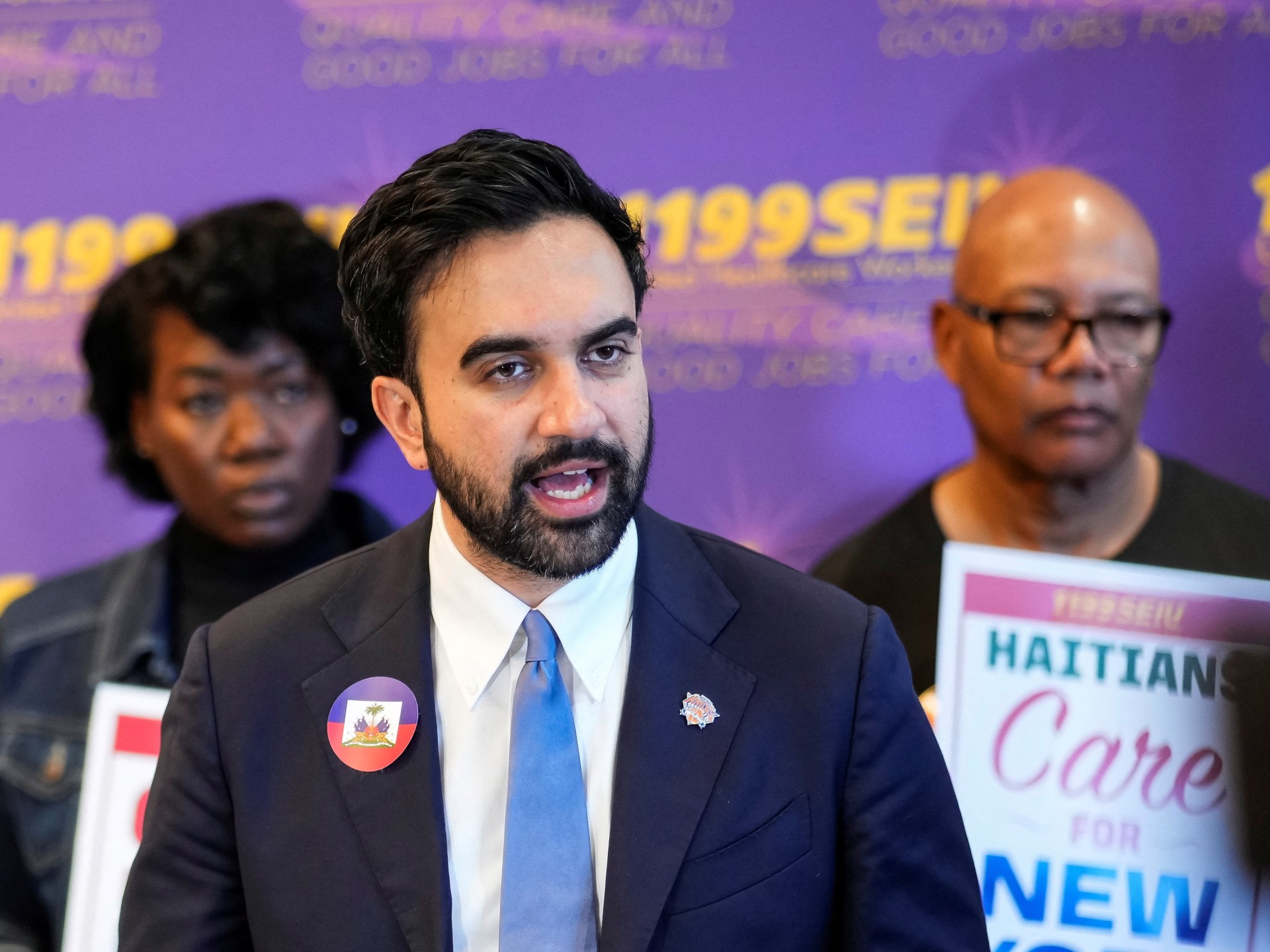
New York City’s Rent Guidelines Board voted Thursday to freeze rent increases on roughly 1 million rent-stabilized apartments, handing Mayor Zohran Mamdani a major policy win on one of his central campaign promises.
The board approved the freeze in a 7-1 vote covering both one-year and two-year leases. The decision affects more than 40% of the city’s rental housing, or about 41% of the rental stock, and marks what Mamdani called the first-ever freeze on two-year leases in New York City history.
“This is a historic victory for New York City tenants,” Mamdani said in a statement. “After reviewing the data and hearing from New Yorkers across the city, the independent RGB has delivered a freeze on one-year leases, and the first-ever freeze on two-year leases in our city’s history. This is the relief that working people across our city deserve.”
Rent-stabilized apartments generally include units in buildings constructed between 1947 and 1974 with more than six apartments, as well as units covered through tax incentive programs that limit unpredictable annual rent increases. The board considered factors including taxes, wages, inflation, tenants’ ability to pay, cost of living and building operating costs before voting, according to the accounts.
Mamdani said he would continue working to make the city more affordable by “building and preserving affordable housing, lowering building operating costs like insurance, and ensuring tenants know their rights.”
The vote followed a sharp dispute over the board’s independence. Of the board’s nine members, six were appointed by Mamdani. Christina Smyth, an appointee of former Mayor Eric Adams and one of the board’s landlord representatives, resigned shortly before the vote. In a statement, she said she was leaving “because the process I was appointed to take part in is not administered the way the law requires.”
“The Rent Guidelines Board has stopped being a fact-finding body,” Smyth said. “It has become a body that starts with an answer and vibe codes its way backward to justify it.” She added: “This rebuilt board was required to deliver a rent freeze. Everything since has been theater.”
Board Chair Chantella Mitchell rejected that characterization. “I was surprised to receive Christina’s resignation this morning,” she said in a statement. “I want to take this opportunity to affirm the independence with which this year’s board members have served, along with the rigor and integrity demonstrated by the RGB staff in preparing and presenting data.”
The decision drew immediate reaction from tenant advocates and property owner groups. The Legal Aid Society praised the vote, saying it would freeze rents for “more than 2 million New Yorkers who currently reside in rent-stabilized housing” and calling the move “a prudent, evidence-based response” amid high living costs, low vacancy rates and record market-rate rents.
Ann Korchak, board president of the Small Property Owners of New York, called the vote an “absolute farce” and said proceeding with “half of its owner representation undermined” damaged the process. The Libertarian Party of New York said rent freezes “exacerbate the housing crisis” by punishing property owners rather than addressing barriers to building.
Al Jazeera reported that former board member Alex Schwartz, who served under former Mayor Bill de Blasio, also criticized the proposed freeze, arguing in a New York Daily News opinion piece that it would limit landlords, especially smaller owners, from making needed repairs. He cited 9% of rent-stabilized units as needing repairs. The board froze rent increases three times under de Blasio between 2015 and 2021.
Mamdani has said his administration is also pursuing more housing construction. Al Jazeera reported that in March the city launched a program to speed affordable housing on city-owned land by creating a pool of pre-approved developers and accelerating land-use approvals.
The Guardian reported that Mamdani’s office also announced Friday a $15 million investment in transgender healthcare, including a direct access fund for providers of youth gender-affirming care, a call and text line connecting New Yorkers with resources, and funding for research on healthcare access and outcomes for transgender and gender non-conforming New Yorkers.













Be First to Comment