Key takeaways:
- Daraxonrasib nearly doubles median survival to 13.2 months versus 6.7 months for chemotherapy in metastatic pancreatic cancer patients.
- The drug targets KRAS gene mutations found in over 90% of pancreatic cancers by acting as a molecular glue to inhibit tumor growth.
- Patients on daraxonrasib experience fewer severe side effects and report better quality of life compared to chemotherapy.
- The FDA is expediting review of daraxonrasib and has allowed expanded access for qualifying patients prior to formal approval.
- Revolution Medicines is preparing for FDA approval and has several other RAS inhibitors in clinical trials.
Daraxonrasib, an experimental drug targeting KRAS mutations, has nearly doubled survival times for patients with advanced pancreatic cancer, according to a phase 3 clinical trial presented at the American Society of Clinical Oncology meeting and published in the New England Journal of Medicine. The trial involved 500 patients with metastatic pancreatic cancer that had stopped responding to prior chemotherapy. Those taking daraxonrasib lived a median of 13.2 months compared to 6.7 months for those receiving standard chemotherapy, with the drug reducing the risk of death by 60% compared to chemotherapy.
The drug targets a mutation in the KRAS gene, present in over 90% of pancreatic cancers, which drives tumor growth by keeping cell growth signals permanently active. Daraxonrasib works by binding to the mutated protein with the help of a cellular protein called cyclophilin A, acting as a “molecular glue” to inhibit the cancer-driving mutation. This approach overcomes a challenge that had made KRAS mutations historically “undruggable.”
Dr. Zev Wainberg of UCLA, who co-led the study, described the results as a “very large step forward,” noting that while the drug is not a cure, it is the first to show a substantial survival advantage over chemotherapy in this disease. Patients on daraxonrasib experienced fewer severe side effects and reported better quality of life compared to chemotherapy. Many patients remained on the drug beyond the study period, and researchers noted the survival gap may widen with continued follow-up.
Dr. Rachna Shroff of the University of Arizona Cancer Center, who was not involved in the research, said she “started crying tears of joy” upon seeing the results, calling the drug “a game-changer” for pancreatic cancer treatment. Dr. Brian Wolpin of Dana-Farber Cancer Institute, another study leader, said daraxonrasib should become the new standard of care for previously treated metastatic pancreatic cancer and noted ongoing research to evaluate its use earlier in the disease course.
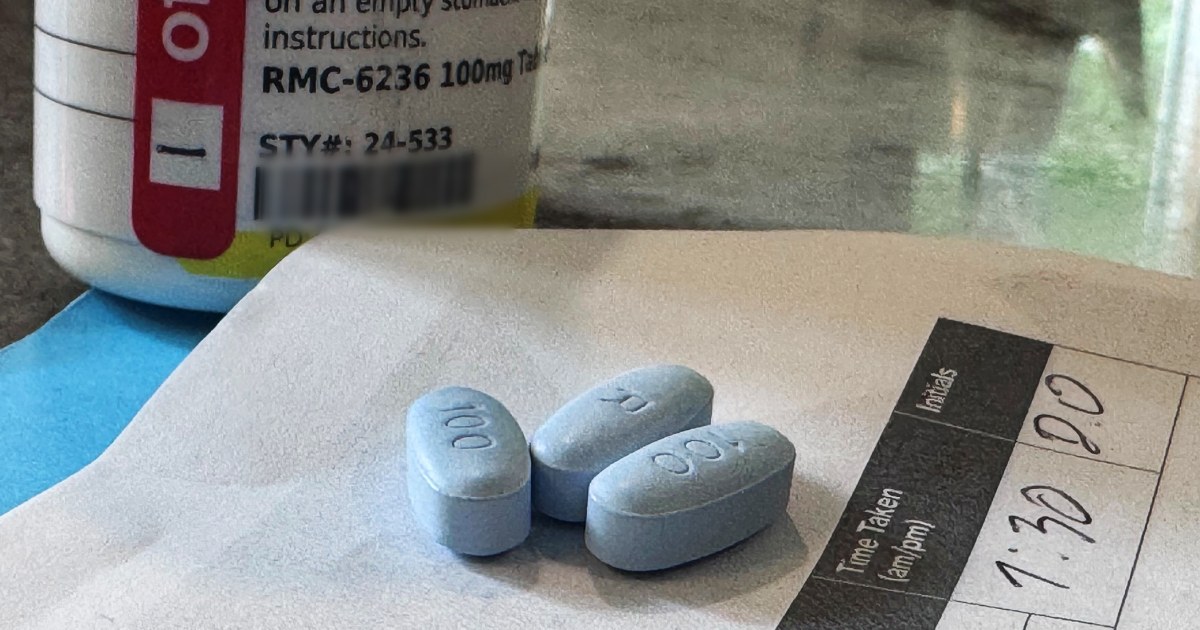
The drug is administered orally as three pills once daily and is generally better tolerated than chemotherapy. Common side effects include rash, mouth sores, vomiting, and diarrhea. Former U.S. Senator Ben Sasse, diagnosed with stage-four pancreatic cancer, described the rash as “nuclear” but reported significant tumor shrinkage and pain reduction after starting daraxonrasib.
Pancreatic cancer remains one of the deadliest cancers, with an estimated 67,000 new U.S. cases and over 52,000 deaths expected this year. The five-year survival rate is only 13%, largely because the disease is often diagnosed at an advanced stage when surgery is not an option. Current chemotherapy treatments typically extend life by only a few months.
Debby Orcutt, a 71-year-old patient from Massachusetts diagnosed with stage 4 pancreatic cancer, enrolled in the daraxonrasib trial after chemotherapy failed. Since starting the drug in January 2025, her liver tumor has disappeared and her pancreatic tumor has shrunk by 80%. She reports feeling well and maintaining an active lifestyle despite her diagnosis.
Revolution Medicines, the company developing daraxonrasib, funded the study and is preparing for FDA approval, which is being expedited. The FDA has allowed the drug to be provided to qualifying patients through an expanded access program prior to formal approval. Revolution Medicines also has several other RAS inhibitors in clinical trials.
Experts not involved in the study expressed optimism that daraxonrasib marks a turning point in pancreatic cancer treatment and could have applications in other cancers with KRAS mutations, such as lung, colorectal, ovarian, and bile duct cancers. Researchers are also exploring vaccines and other therapies targeting KRAS mutations to prevent recurrence after surgery.
Dr. Andrew Coveler of the Fred Hutchinson Cancer Center said, “This thing works drastically differently,” highlighting the drug’s novel mechanism and potential to change the treatment landscape for pancreatic cancer.










Be First to Comment