Key takeaways:
- A tank containing 7,000 gallons of methyl methacrylate at a Garden Grove aerospace facility nearly exploded, prompting evacuation of 50,000 residents.
- Officials ruled out a boiling liquid expanding vapor explosion after finding a crack releasing pressure and cooling the tank.
- The cause of the tank failure is under investigation, with two class-action lawsuits filed against GKN Aerospace.
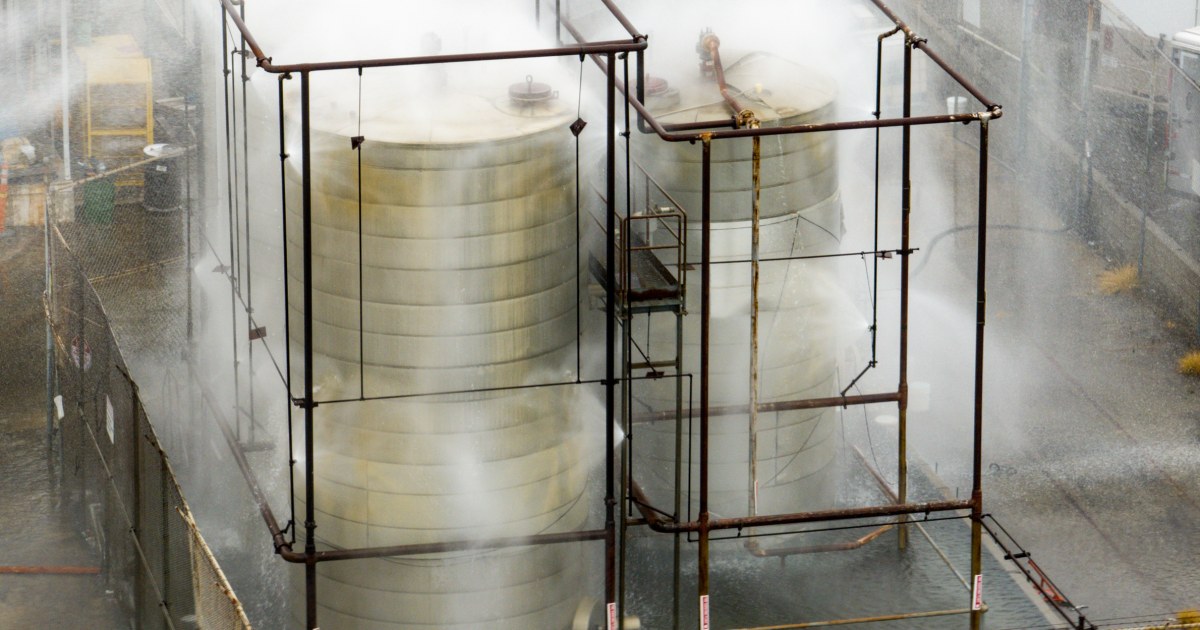
More than 50,000 residents near Garden Grove, California, remain evacuated after a chemical storage tank at an aerospace facility nearly exploded, prompting a multi-agency emergency response. The tank, operated by GKN Aerospace, contained approximately 7,000 gallons of methyl methacrylate (MMA), a volatile chemical used in plastics manufacturing. Authorities feared a thermal runaway reaction could cause the tank to rupture or explode, potentially triggering blasts in nearby containers.
The crisis began when the tank started heating and bulging, raising concerns about a boiling liquid expanding vapor explosion (BLEVE), a catastrophic event involving a rapid pressure increase and fireball. By Monday morning, officials announced that the BLEVE threat was eliminated after hazardous materials teams found a crack in the tank releasing pressure. The tank’s internal temperature dropped from a peak of 100 degrees Fahrenheit to 93 degrees, indicating the chemical inside might be solidifying and no longer generating heat.
Orange County Fire Authority interim Chief TJ McGovern said, “We are very confident it’s solidifying, but we don’t know how much of it has yet.” Despite progress, evacuation orders remain in effect as the risk of a chemical spill or smaller explosion persists. Firefighters have been cooling the tank with sprinklers and hose lines, and air monitoring has detected no toxic releases.
Residents displaced by the evacuation described the ordeal as stressful and uncertain. Jackie Urquiza, who fled with her 7-year-old son, said, “We absolutely did not know this was near our home at all.” She added, “At that moment, you can’t think very well and you just pack whatever you can.” Another evacuee, Andrea Luna, recounted spending multiple nights in a parking lot with her children, calling the situation “devastating, nerve-racking.”
The emergency response involved limiting personnel inside the danger zone to small teams due to safety concerns. Fire officials prepared evacuation protocols in case conditions worsened. President Donald Trump approved a presidential emergency declaration, enabling additional federal resources, including FEMA teams and atmospheric hazard modeling. California Governor Gavin Newsom declared a state of emergency in Orange County.
The cause of the tank’s failure remains under investigation by the Orange County District Attorney’s Office. Two class-action lawsuits have been filed against GKN Aerospace related to the incident. GKN issued a statement apologizing for the disruption and said its technical specialists worked with fire authorities to stabilize the tank, including removing external insulation to aid cooling.
Experts highlighted the importance of tank maintenance and inspections. Judith Enck, former EPA regional administrator, questioned when the tank was last inspected and noted that broken valves prevented neutralizing the critical tank. Andrew Whelton, a Purdue University engineering professor, explained that the chemical’s solidification could explain the temperature drop, but uncertainties remain about the tank’s internal condition.
Authorities continue to prioritize public and firefighter safety while working toward a safe resolution. Evacuees face ongoing hardship, with no clear timeline for returning home. McGovern emphasized, “The first thing is firefighter safety, public safety. We have to do this very strategically.”






Be First to Comment