Key takeaways:
- The IRGC has closed the Strait of Hormuz to unauthorized ships, disrupting about 20% of global crude oil supply and causing Brent crude prices to surge from $70 to over $110 per barrel.
- Iran is enforcing the closure by turning back vessels, imposing high fees near Larak Island, and considering legislation to formalize these charges, while also threatening the Bab el-Mandeb Strait, another key oil shipping route.
- Thousands of seafarers are stranded in the region amid ongoing military tensions, with several killed in attacks; the UAE has proposed a multinational force to secure the Strait of Hormuz and stabilize global energy markets.
Iran’s Revolutionary Guard Corps (IRGC) has declared the Strait of Hormuz closed to any ships not explicitly authorized by Tehran, escalating tensions in a critical maritime corridor through which approximately 20% of the world’s crude oil supply previously flowed. This announcement follows a month of conflict involving the United States and Israel against Iran, which has significantly disrupted global oil markets. The price of Brent crude oil surged from just over $70 a barrel before the conflict to above $110 per barrel following the closure announcement.
The IRGC has enforced this closure by turning back vessels attempting to transit the strait without permission. Recently, three commercial ships, including two ultra-large container vessels owned by China’s COSCO shipping company and a Hong Kong-flagged ship, were forced to reverse course near Iran’s Larak Island after warnings from Iranian naval forces. Tehran has also imposed fees on ships passing near Larak Island, described by maritime analysts as a “toll booth,” with charges reportedly reaching up to $2 million per vessel. Iran’s parliament is reportedly preparing legislation to formalize these fees.
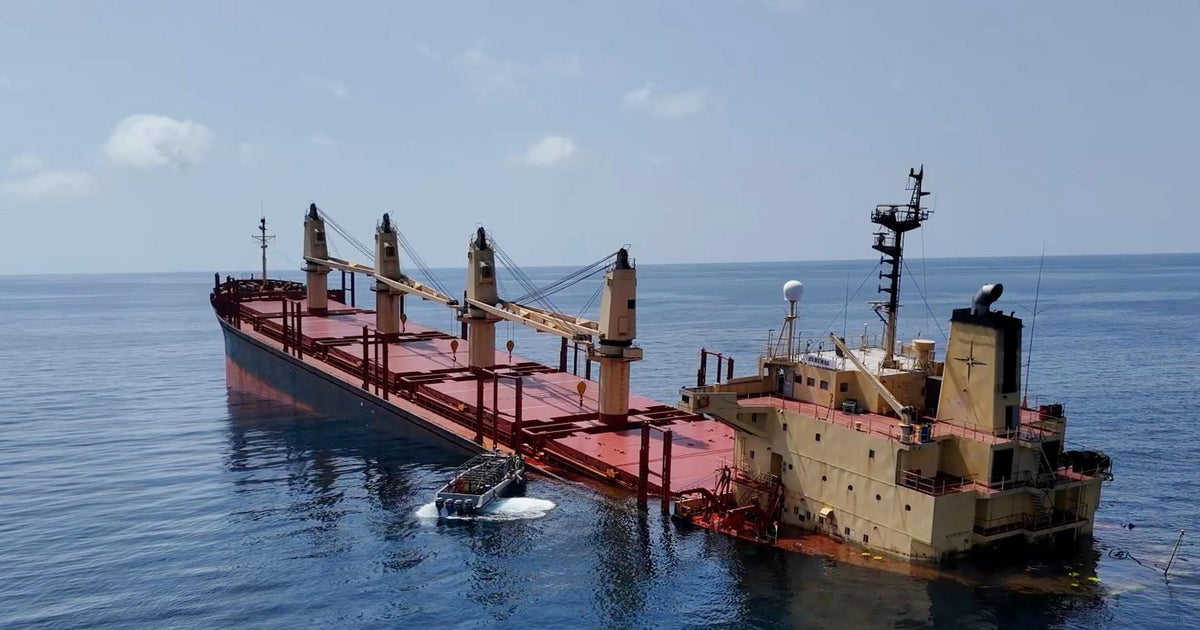
Beyond the Strait of Hormuz, Iran has hinted at the possibility of targeting the Bab el-Mandeb Strait, another vital shipping lane that connects the Red Sea to the Arabian Sea and handles about 10% of global oil shipments. This strait is bordered by Yemen, where the Iran-aligned Houthi rebel group holds significant control. Although the Houthis have so far refrained from direct involvement in the Iran conflict, they have previously attacked vessels in the Bab el-Mandeb Strait and warned of potential engagement if called upon by Tehran. Yemen’s Humanitarian Operations Coordination Center has stated its commitment to safeguarding navigation through the strait, but the threat remains a concern for global energy security.
The closure of the Strait of Hormuz and the potential threat to the Bab el-Mandeb Strait have left thousands of seafarers stranded in the Persian Gulf and surrounding waters. According to the United Nations’ maritime agency, around 20,000 sailors are currently stuck on hundreds of ships, unable to transit the region safely. Many of these seafarers, primarily from Asian countries such as India and the Philippines, face prolonged isolation and heightened risks amid ongoing military strikes. At least seven seafarers have been killed in Iranian attacks on commercial vessels since the conflict began. Shipping companies have reported severe disruptions, with normally busy routes now largely deserted. The UAE has called for the formation of a multinational “Hormuz Security Force” to reopen and secure the strait, emphasizing the global economic impact of Iran’s actions.




Be First to Comment