Key takeaways:
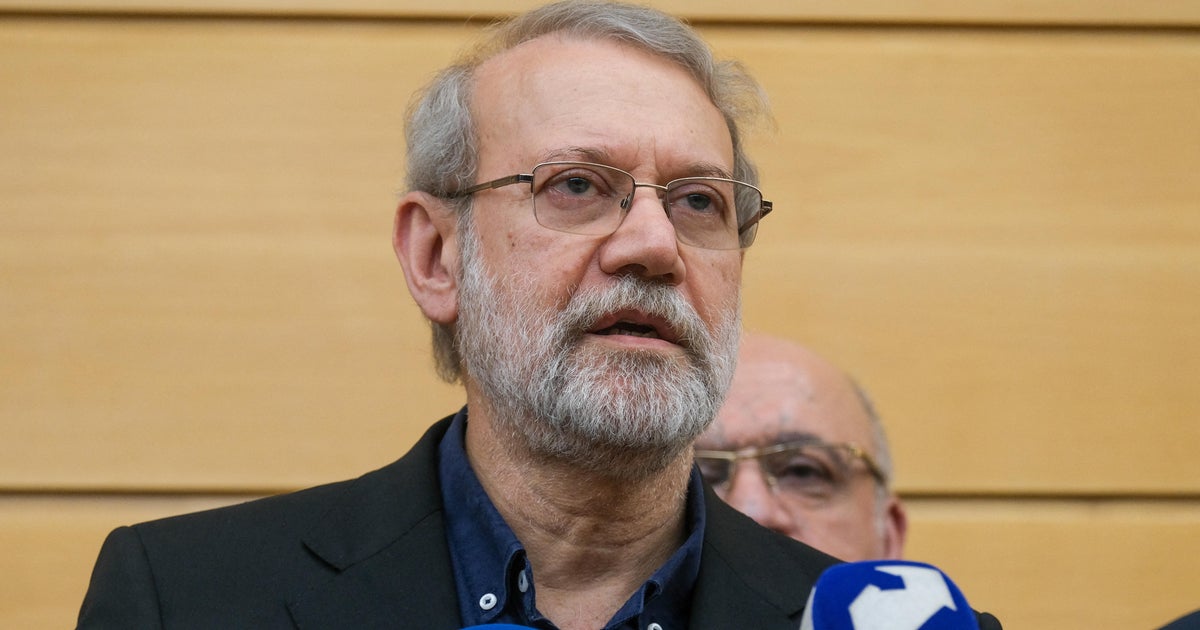
- Israel announced the killing of Ali Larijani, a top Iranian security official and former head of Iran’s Supreme National Security Council, along with his son, chief of staff, and several guards, marking a significant escalation in the conflict with Iran.
- Larijani was a key political and military figure known for balancing military escalation with negotiation; his death, along with that of General Gholam Reza Soleimani, may harden Iran’s stance and empower hardline factions.
- The strikes have heightened regional tensions, disrupted global oil markets by impacting the Strait of Hormuz, and could prolong the conflict by reducing prospects for diplomatic resolution despite limited short-term operational impact.
Israel announced the killing of Ali Larijani, a top Iranian security official, in overnight airstrikes, marking a significant development in the ongoing conflict involving Iran. Larijani, who served as the head of Iran’s Supreme National Security Council, was confirmed dead by Iran’s Supreme National Security Council along with his son Morteza Larijani, his chief of staff Alireza Bayat, and several guards. Israeli Defense Minister Israel Katz described Larijani’s elimination as a major blow to the Islamic Republic, emphasizing that Israel would continue targeting senior Iranian leaders.
Larijani was a prominent figure within Iran’s political and military establishment, known for his experience and close ties to the late Supreme Leader Ali Khamenei. He had held various influential roles, including Revolutionary Guards officer, chief nuclear negotiator, and speaker of parliament for over a decade. More recently, Larijani was seen as a key strategist managing Iran’s war efforts and political messaging. Analysts note that his death removes one of the few insiders capable of balancing military escalation with negotiation, potentially hardening Iran’s stance in the conflict.
In addition to Larijani, the Israeli military also reported the killing of General Gholam Reza Soleimani, commander of the Basij paramilitary force. The Israeli Defense Forces accused Soleimani of leading violent repression against civilian protesters during anti-government demonstrations in Iran. These targeted assassinations are part of a broader campaign by Israel and its allies to weaken Iran’s leadership, with the U.S. recently offering rewards for information on senior Iranian figures. Despite these efforts, experts caution that the operational impact of these killings may be limited in the short term, while politically they could reinforce Iran’s narrative of existential struggle.
The broader conflict has escalated tensions in the region, with Iran retaliating against Gulf states and Israel, and effectively blocking the strategic Strait of Hormuz, a critical passage for global oil shipments. This has contributed to rising global oil prices and economic uncertainty. Analysts suggest that while Israel’s strikes have dealt psychological and logistical blows to Iran, the regime may become more entrenched, with hardline factions gaining influence. The death of Larijani, known for his pragmatic approach and negotiation skills, could diminish prospects for a political resolution, potentially prolonging the conflict and its regional and global repercussions.


Be First to Comment