Press "Enter" to skip to content

Posts tagged as “Yemen”

VP JD Vance’s Opposition to Trump’s Yemen Strike Sparks GOP Division and Fuels Foreign Policy Debate
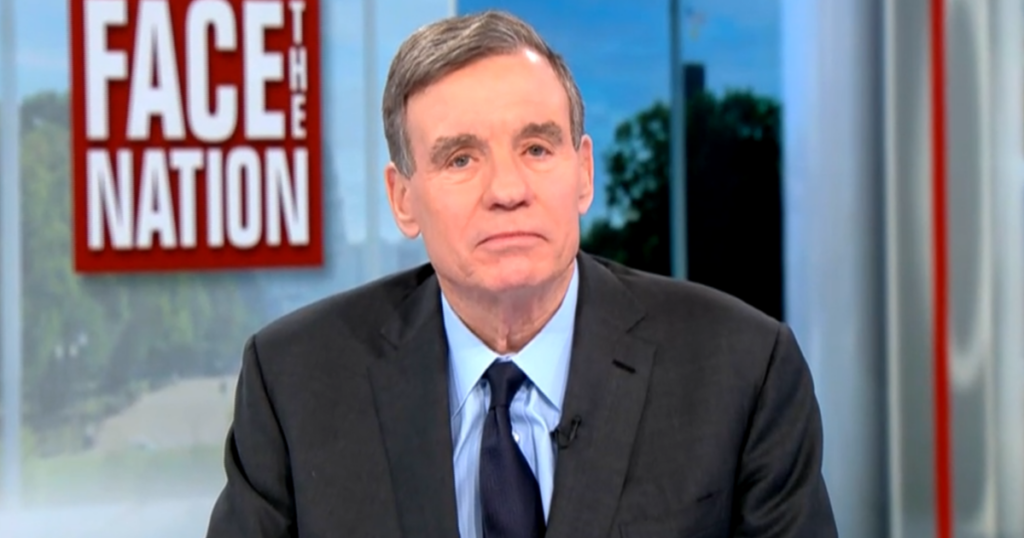
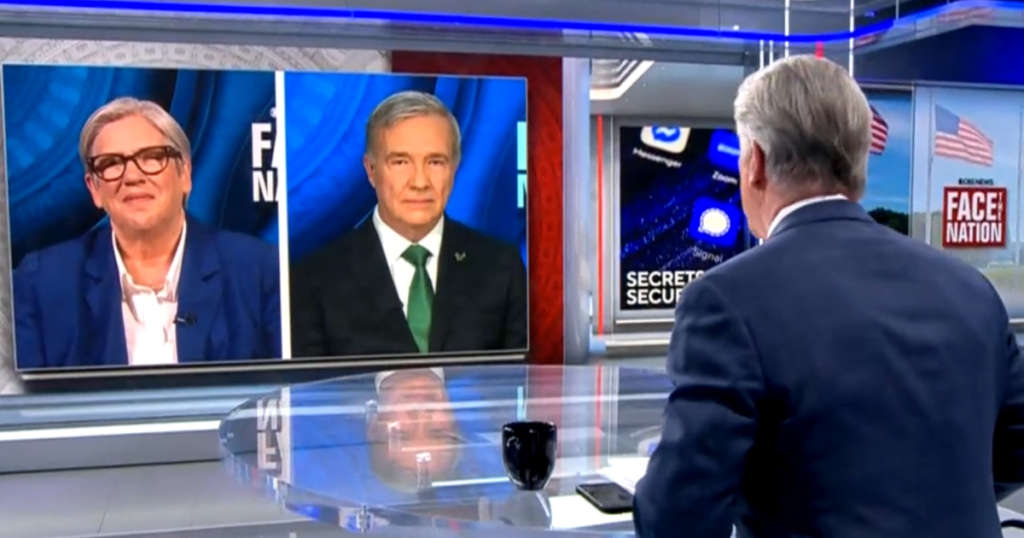
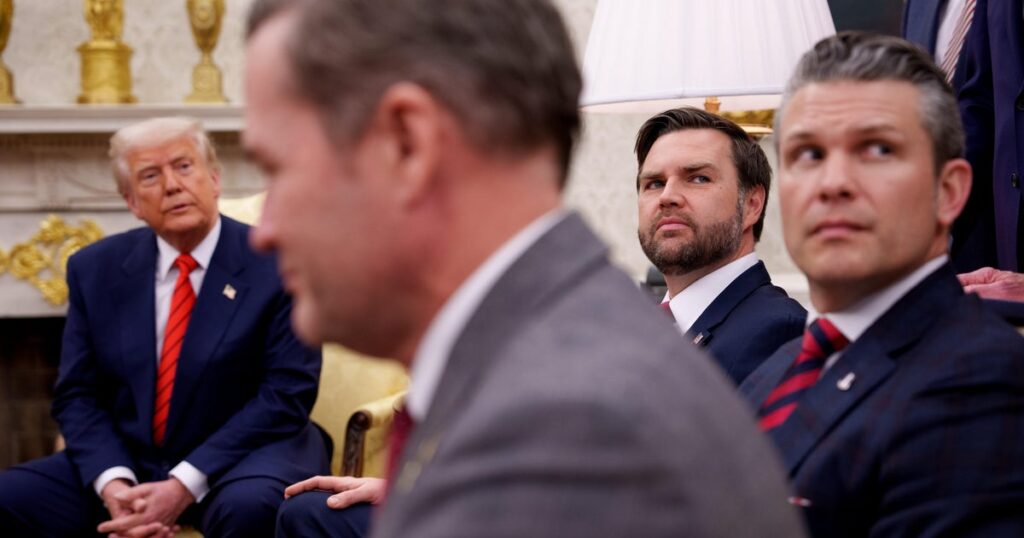
Vice President JD Vance's opposition to President Donald Trump's military strike against Houthi forces in Yemen has caused significant division within the administration and the Republican Party, as revealed through a leaked Signal chat. This disagreement highlights the broader debate over the U.S.'s aggressive military strategy and its foreign policy priorities, with some lawmakers accusing Vance of trying to obstruct the President's directive. Senator Mark Warner discussed the potential implications of this strategy on "Face the Nation," noting the strategic importance of reopening Red Sea trade routes, which adds another layer to the ongoing discourse on America's international role and national interests.

Majority of Americans Disapprove of Administration’s Use of Signal for Military Plans, CBS News Poll Reveals

A CBS News poll reveals that 76% of Americans find the use of the messaging app Signal by administration officials to discuss military plans inappropriate, with this view shared by a majority of independents and Republicans. The controversy is intensified by Vice President JD Vance's concerns over President Trump's decision to strike the Houthis in Yemen, which were expressed in a public Signal chat, causing discontent among senior Republican lawmakers. This situation highlights a broader debate about the appropriateness and security of using non-traditional communication methods for sensitive military discussions, reflecting public concern over transparency and the administration's foreign policy strategy.

President Trump Frustrated with National Security Adviser Michael Waltz Over Signal App Mishap Involving Journalist in Sensitive Military Discussions

President Donald Trump has expressed frustration with national security adviser Michael Waltz over the use of the Signal app for discussing sensitive military operations, which inadvertently included journalist Jeffrey Goldberg in a group chat. The incident has raised security concerns, but Trump's irritation is reportedly more about Waltz having Goldberg's contact information than the app's use. Additionally, Trump's discussions with Waltz about withdrawing Rep. Elise Stefanik’s nomination as U.S. ambassador to the UN have added to his frustration, though both Waltz and Defense Secretary Pete Hegseth remain in their positions.

Trump Administration Faces Scrutiny Over Signal Chat Security Breach Involving The Atlantic Editor Amid Yemen Military Action Discussions

The Trump administration is dealing with the repercussions of a Signal chat incident that mistakenly included Jeffrey Goldberg, leading to controversy over discussions about military actions against Houthi rebels in Yemen. National security adviser Michael Waltz is at the center of the controversy, with some calling for his dismissal, while others defend the chat participants. The incident has raised concerns about digital communication security, prompting some officials to alter their Venmo accounts and drawing criticism from Democrats and former national security officials about the potential risks of exposing sensitive information.

Revealed Signal Chat Involving Trump Officials and Atlantic Editor Sparks Debate Over Yemen Attack Plans and U.S. Foreign Policy

A recent report has uncovered a Signal group chat involving 18 Trump administration officials and Atlantic editor-in-chief Jeffrey Goldberg, discussing a planned attack against the Houthis in Yemen. The National Security Council has confirmed the chat's authenticity, and none of the participants have denied involvement, raising concerns about the implications for U.S. foreign policy and humanitarian norms. Additionally, Department of Homeland Security Secretary Kristi Noem's visit to a prison in El Salvador, detaining Venezuelan nationals, has sparked further controversy, potentially undermining previous legal arguments by the Trump administration.

Defense Secretary’s Leak of Yemen Strike Details Sparks National Security Investigation

The Atlantic has revealed that Defense Secretary Pete Hegseth shared sensitive operational details about military strikes in Yemen, contradicting previous administration claims that no war plans were discussed. This information was inadvertently shared with journalist Jeffrey Goldberg, who was added to an encrypted messaging group that included top Trump administration officials. The leak has prompted significant concern in Washington, leading to a call for an expedited inspector general investigation by Senator Roger Wicker, highlighting the need for improved security measures for handling sensitive communications.

Leaked Signal Chat Involving U.S. Officials and The Atlantic Editor Sparks Controversy Over Military Communication Security

The Atlantic published screenshots and a transcript from a Signal group chat that mistakenly included its editor-in-chief, Jeffrey Goldberg, revealing details about U.S. military operations in Yemen. The chat, involving high-ranking U.S. officials, disclosed specifics such as the types of military aircraft used and the timing of airstrikes, sparking controversy over the handling of sensitive information. Despite the White House's insistence that the information was not classified, the incident has raised concerns about the security of military communications and the risks associated with using digital platforms for discussing sensitive operations.

Signal Chat Leak Reveals Senior Trump Officials Discussed Airstrikes on Houthi Militants, Sparking Security Concerns

A recent survey has come under scrutiny due to revelations about a Signal chat involving senior Trump administration officials discussing potential airstrikes against Houthi militants, with specific plans such as timing and aircraft types. The Atlantic published screenshots of the chat, which inadvertently included a journalist, leading to public disclosure despite White House claims that no classified "war plans" were discussed. The incident has sparked debate over the handling of sensitive information, with concerns about operational security and the communication practices of government officials.

We've updated the design to something a little more modern.  Got an opinion?  Let us know!