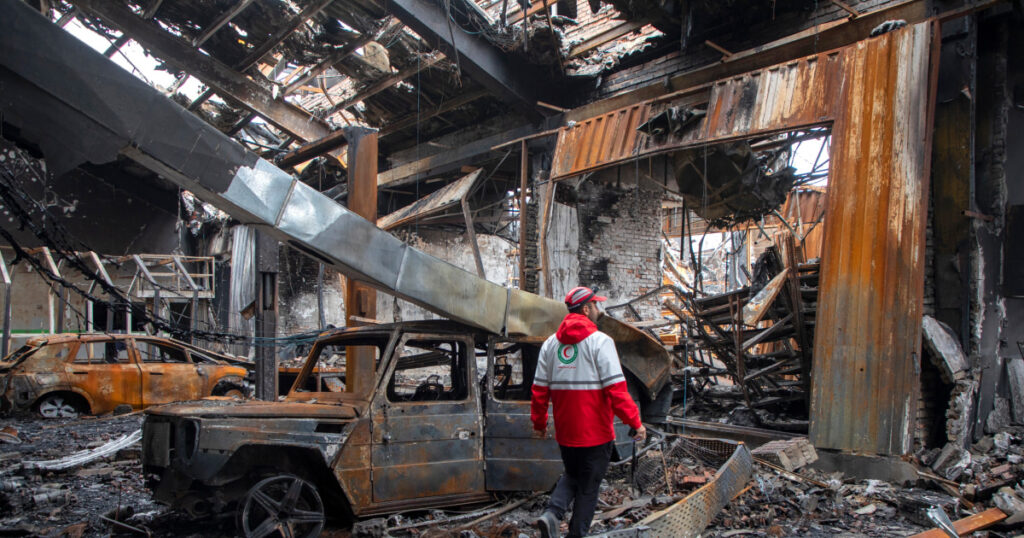
More than 3,500 U.S. troops, including approximately 2,500 Marines aboard the USS Tripoli, have been deployed to the Middle East amid escalating tensions with Iran following recent missile and drone attacks on Saudi Arabia that injured U.S. personnel. The conflict has disrupted global oil exports and shipping routes, with Iranian-backed Houthi rebels also entering the fray, raising concerns over maritime security. Despite rising hostilities and military preparations, diplomatic efforts continue, with the U.S. proposing a peace plan that Iran has rejected, while both sides maintain readiness for further confrontation.
Posts tagged as “Yemen”

The conflict between the United States and Iran has drastically reduced shipping traffic through the Strait of Hormuz by up to 95%, causing a sharp rise in oil prices and marine insurance premiums due to heightened risks of missile and drone attacks. Efforts to protect commercial vessels, including potential U.S. military escorts and expanded insurance programs, face delays and are unlikely to restore normal shipping until a ceasefire or de-escalation occurs. Meanwhile, the involvement of Iran-backed Houthi militants in missile attacks against Israel threatens further disruptions in the Red Sea and Bab el-Mandeb Strait, escalating the conflict into a broader regional crisis with significant impacts on global energy supply and maritime commerce.
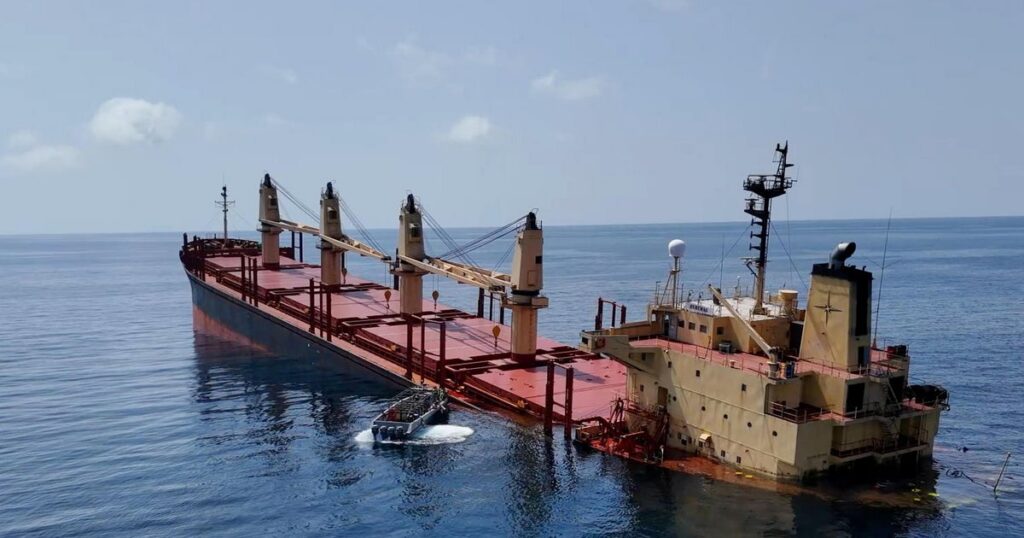
Iran’s Revolutionary Guard Corps has declared the Strait of Hormuz closed to unauthorized ships, significantly disrupting a key maritime route that handles about 20% of the world’s crude oil and causing Brent crude prices to surge above $110 per barrel. Iran has enforced this closure by turning back vessels, imposing hefty fees near Larak Island, and is considering formal legislation for these charges, while also hinting at threats to the Bab el-Mandeb Strait, another critical shipping lane. The closure and ongoing conflict have stranded around 20,000 seafarers in the region, led to casualties, and prompted calls from the UAE for a multinational force to secure the strait and stabilize global energy markets.
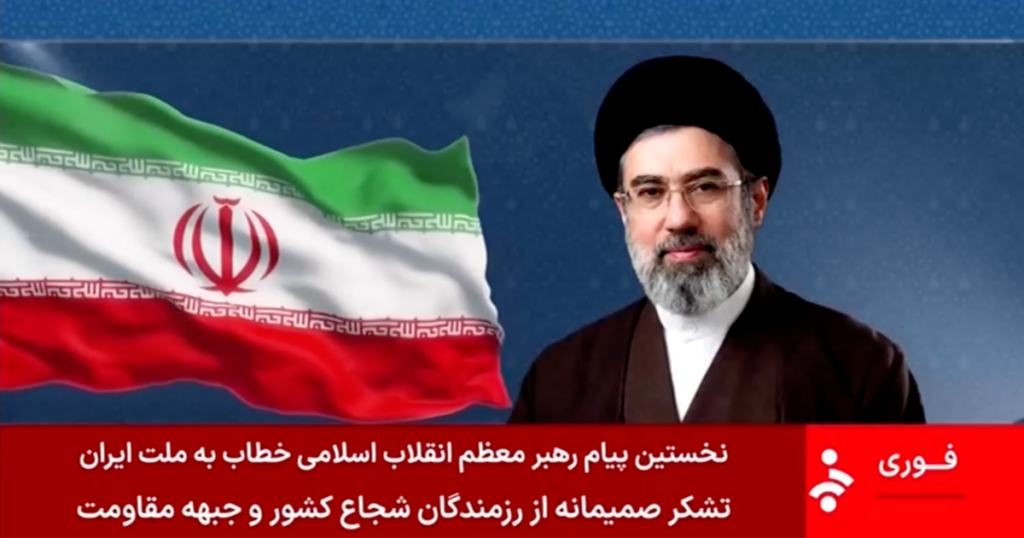
Iran’s newly appointed Supreme Leader, Ayatollah Mojtaba Khamenei, issued his first public statement reaffirming the blockade of the Strait of Hormuz and threatening attacks on neighboring countries hosting U.S. military bases. His statement was delivered without a direct appearance, fueling speculation about his health after being injured in recent U.S.-Israeli strikes, and signaling a hardline stance with continued support for proxy groups across the Middle East. Khamenei vowed revenge for Iranian casualties in the strikes and emphasized Iran’s commitment to disrupting global oil transit while expressing a desire for constructive regional relations.
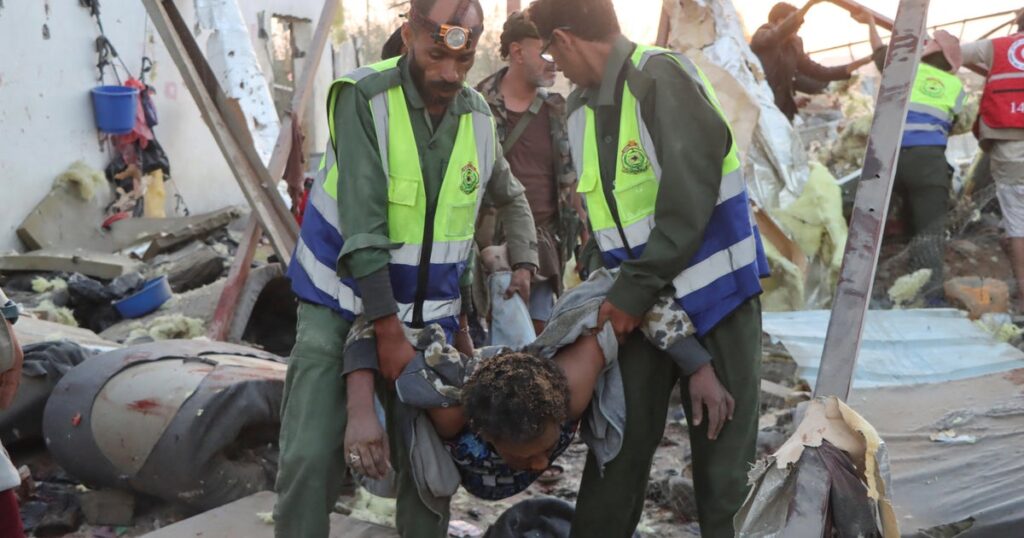
The conflict in Yemen has intensified with the U.S. military's increased airstrike campaign against Houthi rebels, targeting over 800 locations since mid-March. A recent alleged U.S. airstrike on a prison in the Saada governorate reportedly killed 68 African migrants, prompting scrutiny and criticism from activists. This escalation occurs amid U.S.-Iran nuclear negotiations, raising concerns about the broader implications for regional stability and humanitarian issues.
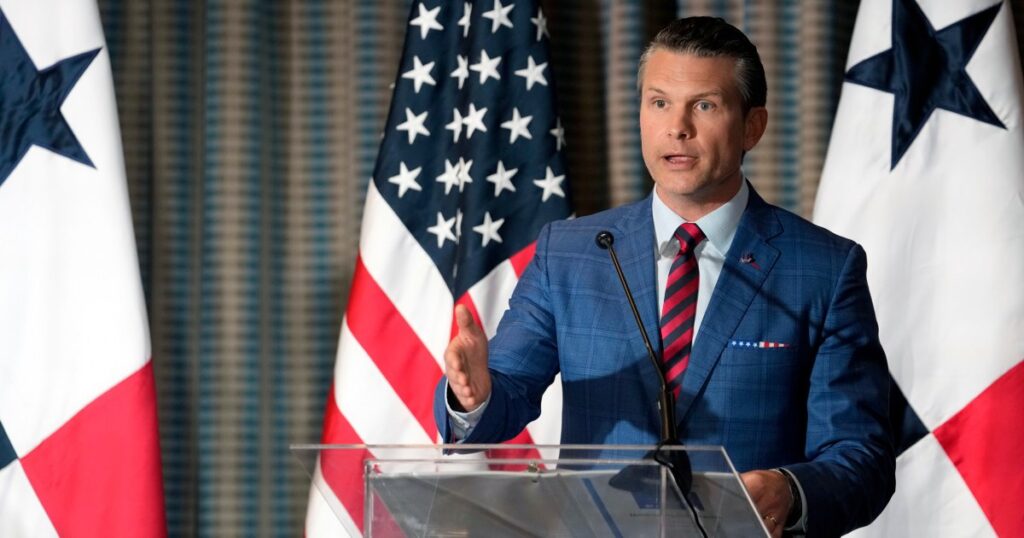
Defense Secretary Pete Hegseth reportedly shared sensitive U.S. military information regarding operations in Yemen through a private Signal group chat, which included his wife, brother, and personal attorney. The incident has raised concerns about the handling of sensitive information by senior officials, especially since Hegseth used his personal phone despite warnings about unsecured communication channels. The inclusion of non-official individuals in the chat has further intensified scrutiny and sparked discussions on the protocols for safeguarding national security information.
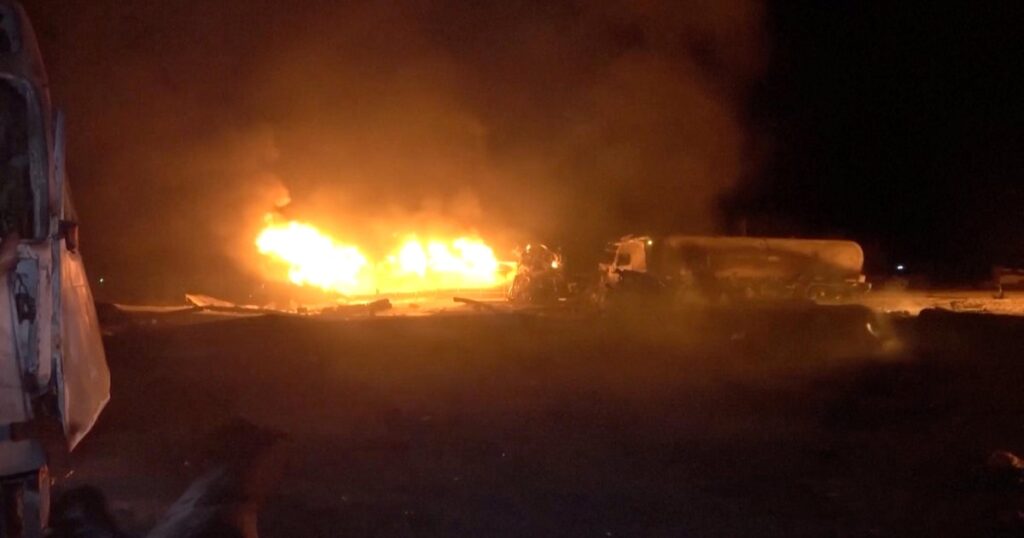
U.S. airstrikes on the Ras Isa oil port in Yemen, controlled by Houthi rebels, resulted in 58 deaths and 126 injuries, marking one of the deadliest incidents since the U.S. began its campaign against the group. The strikes aimed to disrupt a critical fuel supply for the Houthis, who rely on the port for sustaining their operations. The lack of detailed information from the U.S. Central Command about the campaign has made it difficult to fully assess the impact of these military actions, raising international concerns about the humanitarian implications and the complexities of the conflict.

The Pentagon's Office of the Inspector General has launched an investigation into the use of a commercial messaging app by the Secretary of Defense and other personnel to ensure compliance with Department of Defense policies for official communications. This probe was prompted by a report revealing that high-profile officials, including Defense Secretary Pete Hegseth, were allegedly discussing sensitive military operations on Signal, raising concerns about security breaches. The investigation highlights the critical need for adherence to cybersecurity protocols in government communications and may influence future policies on using commercial messaging platforms for official purposes.