
A federal appellate judge expressed concerns about the treatment of Venezuelan migrants deported to El Salvador and detained without due process, drawing a historical comparison to the treatment of Nazi detainees during World War II. Judge Patricia Millett highlighted the differences in legal proceedings, noting that Nazis were given hearings under the Alien Enemies Act, whereas the Trump administration deported migrants without notice based on unverified gang affiliations. The government's defense of these actions has sparked legal and ethical debates, leading to a pause by a lower court judge as the courts examine the balance between national security and individual rights.
Posts tagged as “U.S.-Venezuelan”
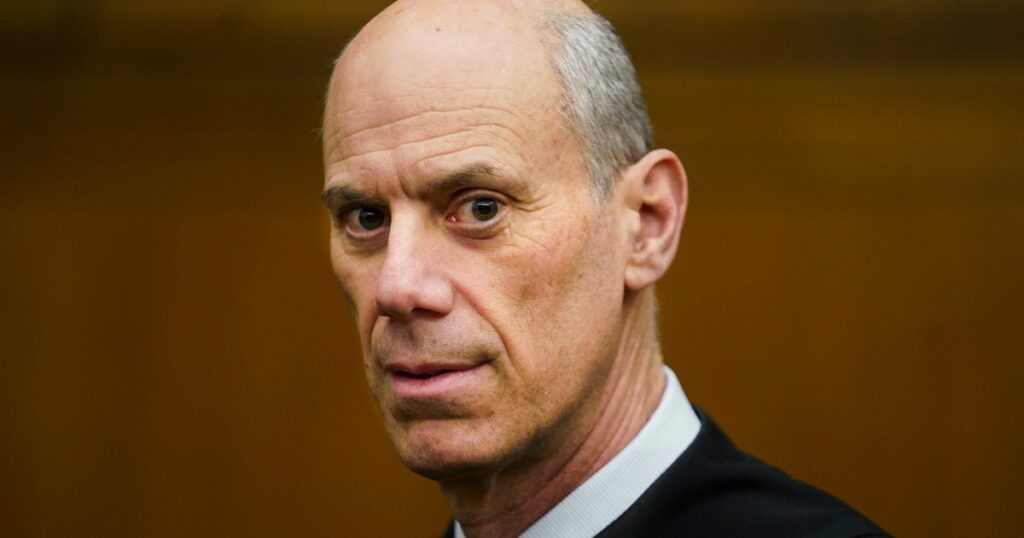
U.S. District Judge James Boasberg has denied a government request to vacate his previous rulings, which halted the deportation of Venezuelan nationals under the rarely used Alien Enemies Act, emphasizing the need for these individuals to contest allegations of gang involvement before deportation. Despite criticism from President Donald Trump, who disapproved of Boasberg's initial ruling, the judge has upheld the importance of due process. The case has gained attention due to the transfer of over one hundred Venezuelan nationals to a prison in El Salvador without legal recourse, raising human rights concerns amid the broader context of controversial immigration policies.
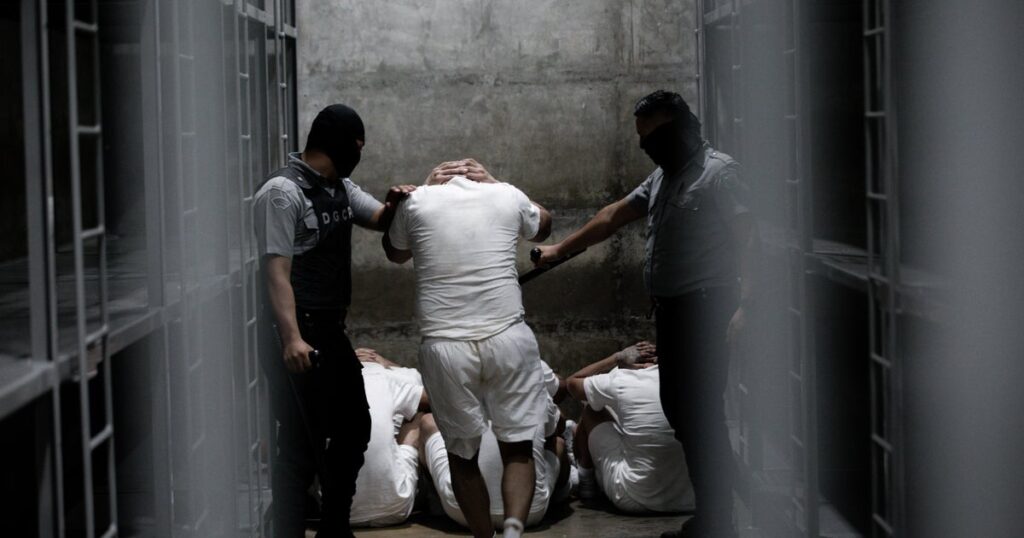
U.S. District Judge James Boasberg has blocked the administration from using the Alien Enemies Act to deport Venezuelan nationals to El Salvador, following a hearing where he criticized the Justice Department's actions and language as disrespectful. The judge highlighted the administration's failure to comply with a previous order to reverse deportation flights, raising concerns about legal protocol adherence and due process for affected individuals. This ruling has sparked discussions on balancing national security with individual rights, emphasizing the judiciary's role in overseeing executive actions related to immigration and national security.

Concerns have been raised by families and legal representatives regarding the deportation of Venezuelan nationals to El Salvador, with allegations that not all deported individuals have criminal backgrounds or gang affiliations, contrary to claims by the Trump administration. The deportations have led to fears of prolonged detention in El Salvador's criticized prison system, particularly highlighted by the case of a man with no criminal record whose wife is desperately seeking information about his status. Legal experts and advocates are calling for transparency and accountability in the deportation process, emphasizing the need to ensure that individuals without criminal ties are not unjustly detained, while also questioning the criteria used to determine gang affiliations.
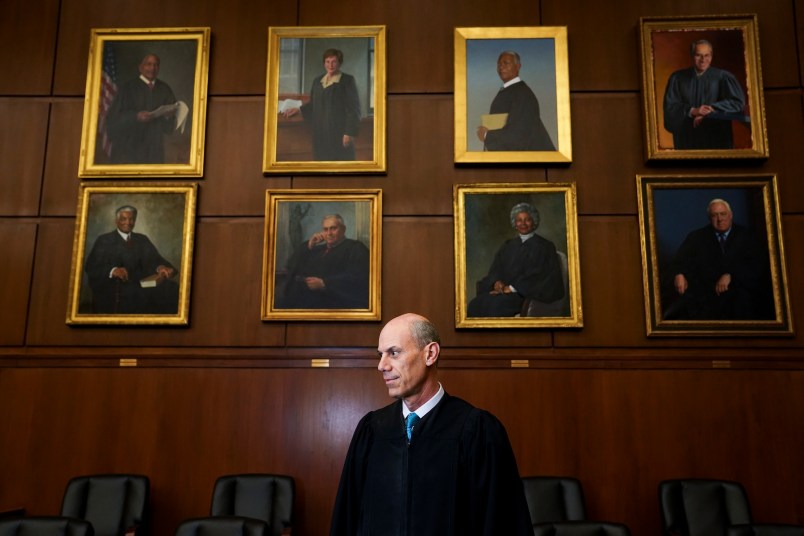
A federal judge has criticized the U.S. government's inadequate response to requests for detailed information about deportation flights conducted under the Alien Enemies Act, involving individuals linked to a Venezuelan gang. The judge's ruling highlights tensions between the judiciary and the executive branch over the Trump administration's use of this seldom-invoked wartime law, raising questions about the balance between national security and legal protocols. As the case progresses, the demand for transparency and accountability could significantly impact future applications of the Alien Enemies Act and the rights of those affected.
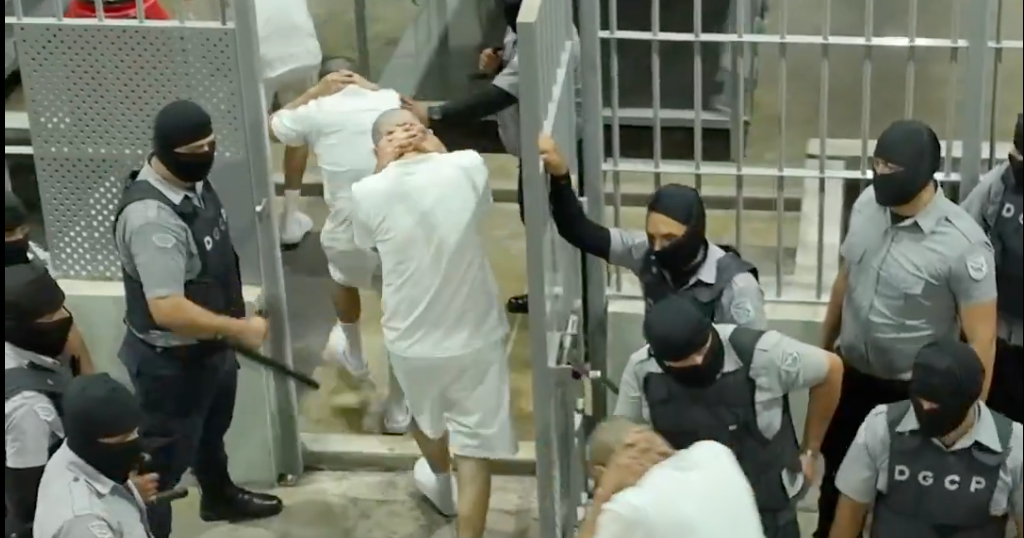
The Trump administration is facing criticism for its handling of deportation flights involving alleged members of the Tren de Aragua gang, particularly after President Trump defied a federal judge's order to stop deporting Venezuelans to El Salvador. D.C. District Chief Judge James Boasberg has demanded a detailed account of the flights, setting a deadline for the government to respond, while the Justice Department has been criticized for not complying with the order to turn back planes already en route. This situation highlights ongoing tensions between the administration and the judiciary over immigration policies, with potential implications for future legal battles that may reach the Supreme Court.
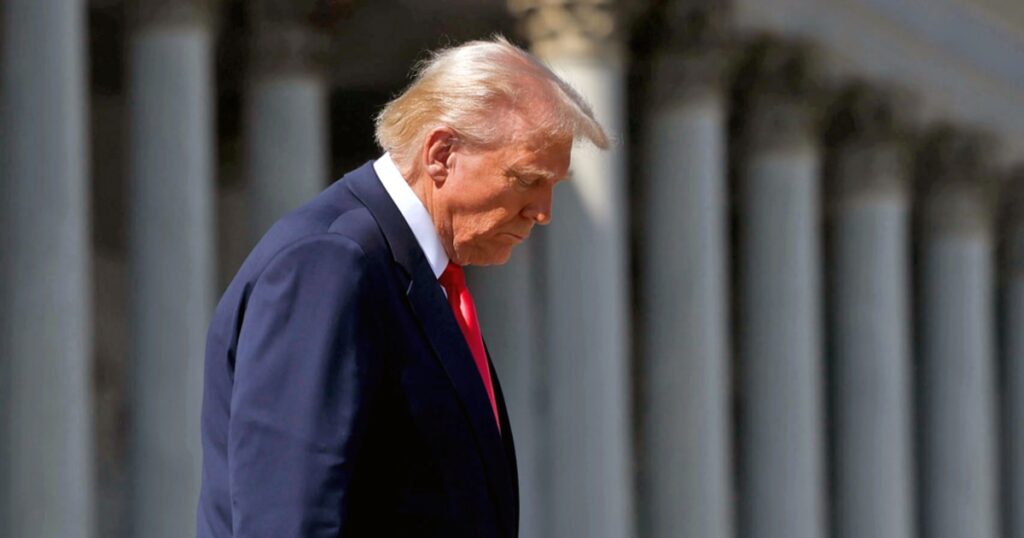
A group of Venezuelan men in immigration custody in Texas and New York have filed a federal civil lawsuit against former President Donald Trump and his administration officials, seeking to prevent deportation under the Alien Enemies Act of 1798. The lawsuit, supported by the ACLU and Democracy Forward, argues that applying this 18th-century wartime law to categorize Venezuelans as part of a gang is inappropriate and could lead to unjust deportations. A federal judge has temporarily blocked the use of the Alien Enemies Act for these deportations, sparking legal challenges and discussions about the relevance of historical laws in modern immigration policy.
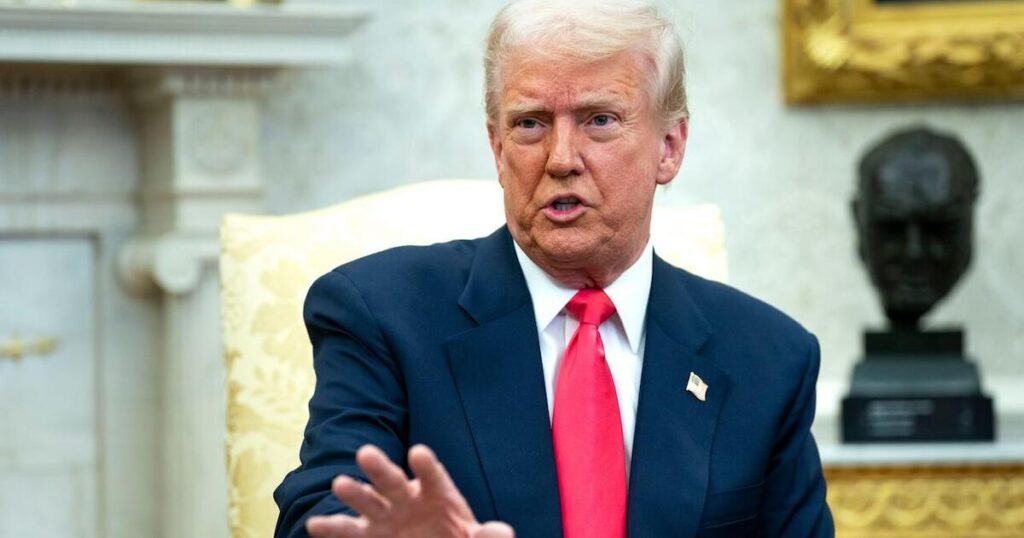
President Donald Trump has invoked the Alien Enemies Act of 1798 to facilitate the detention and deportation of Venezuelan migrants suspected of being linked to the Tren de Aragua gang, which he describes as an "invasion" or "predatory incursion." This decision, despite a federal judge's temporary limitation on the act's use, underscores the president's view of the gang as a significant national security threat due to their alleged involvement in drug trafficking and "irregular warfare." The move has sparked discussions about the historical and modern implications of using such a law, with potential impacts on U.S.-Venezuelan relations and the broader immigration and national security discourse.