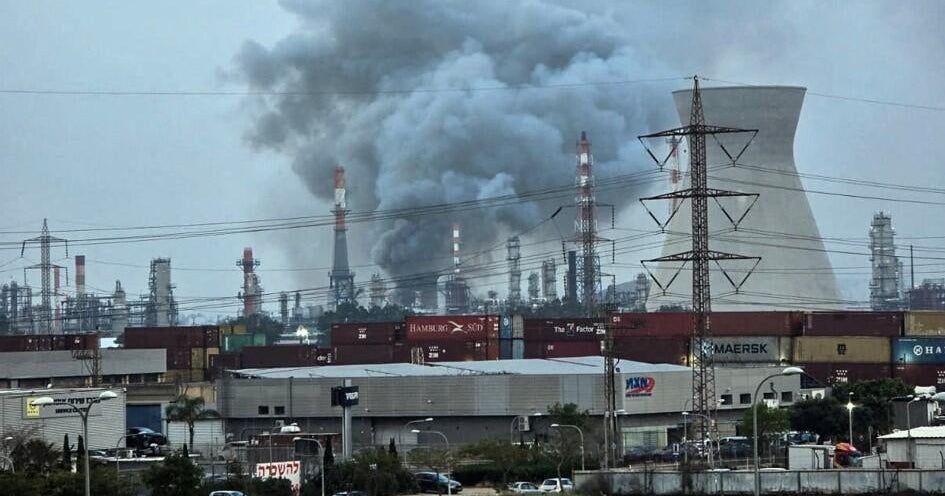
The conflict involving the United States, Israel, and Iran has intensified tensions across the Persian Gulf, with Iran launching retaliatory strikes on energy and civilian infrastructure in neighboring countries, prompting a high-level Gulf states meeting in Riyadh to address the escalating crisis. These attacks have severely impacted regional security and global energy markets, causing significant damage to oil and gas facilities and driving up oil prices, while military confrontations have included missile strikes, air raids, and the emergency landing of a U.S. F-35 jet. Despite widespread alerts and civilian sheltering, Gulf states remain divided on their response, with calls for de-escalation and ceasefire from some, amid fears of broader regional destabilization.
Posts tagged as “the United Arab Emirate”
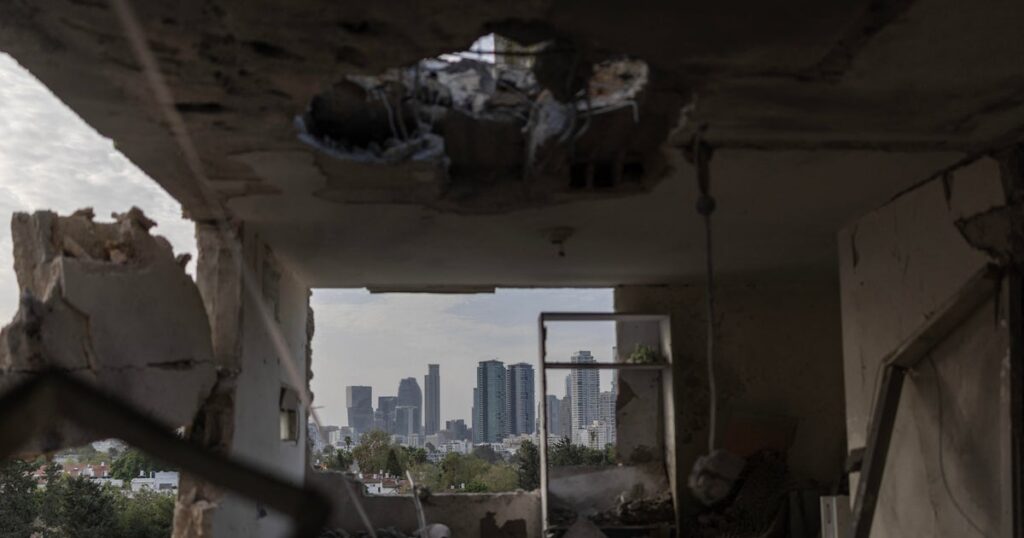
The conflict between Israel, the United States, and Iran has escalated sharply after an Israeli strike on Iran’s South Pars gas field, prompting Iranian retaliatory attacks on energy infrastructure across Gulf states and causing major disruptions to global energy supplies. These attacks have led to soaring oil and natural gas prices, closure of the Strait of Hormuz to tanker traffic, and heightened regional tensions, with international actors calling for de-escalation amid widespread condemnation. The ongoing crisis threatens regional stability and global markets, while diplomatic efforts have so far failed to resolve the conflict, leaving the situation highly volatile.
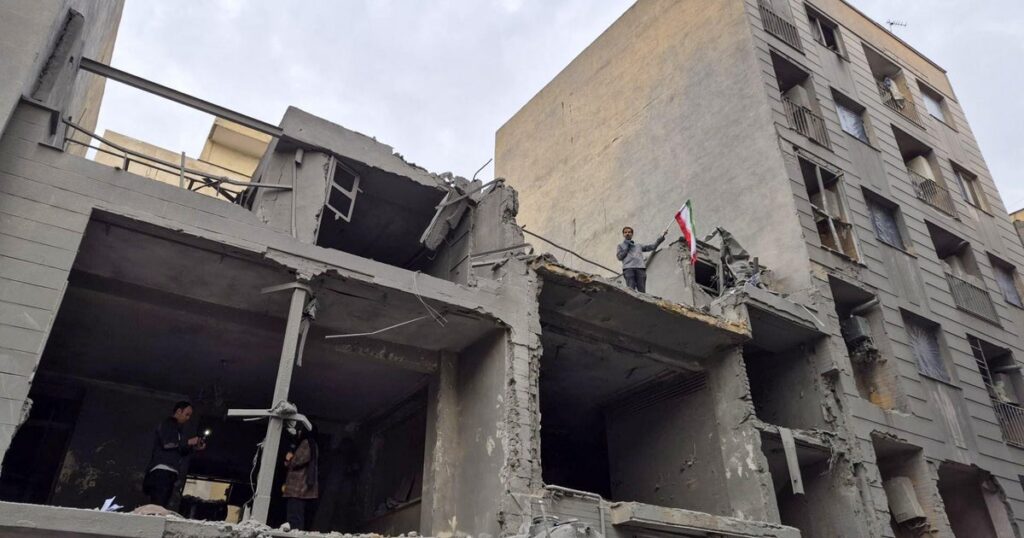
Tensions in the Middle East have intensified following Israeli strikes that killed senior Iranian officials, prompting Iranian missile and drone retaliations primarily targeting the UAE and escalating violence in Lebanon involving Hezbollah. The conflict has caused significant civilian casualties and infrastructure damage, drawing international concern and calls for negotiated peace, while also disrupting global energy markets and raising oil prices. Meanwhile, diplomatic efforts, including a planned U.S.-China summit, face uncertainty as the conflict diverts attention and complicates international relations.
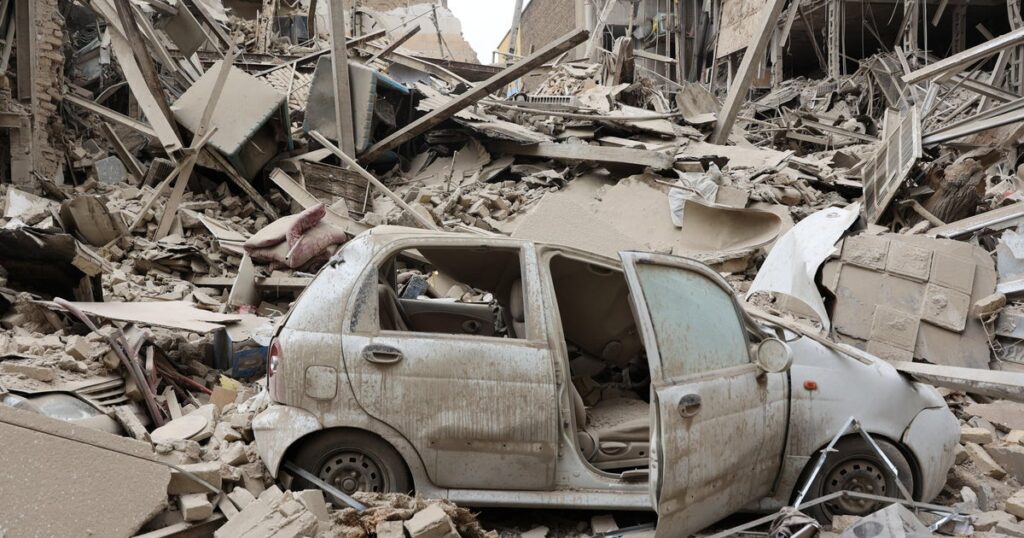
President Donald Trump has urged countries dependent on oil shipments through the Strait of Hormuz to help reopen the waterway, which Iran has effectively closed amid escalating regional conflict following a U.S.-Israeli military campaign. However, many traditional U.S. allies, including European and Pacific nations, have declined to participate in securing the strait, emphasizing diplomacy and conflict resolution over military involvement. The ongoing tensions have driven up global oil prices, strained international relations, and resulted in significant military engagements and regional instability.
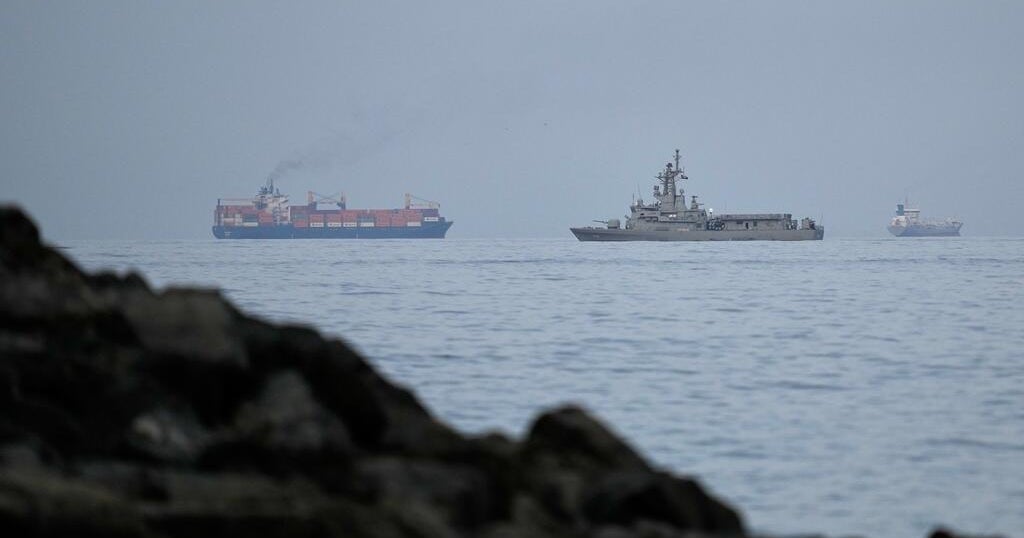
The Trump administration is considering a military operation to escort oil tankers through the Strait of Hormuz following a series of attacks on vessels in the Persian Gulf, which have disrupted global oil shipments and driven up prices. The proposed operation involves neutralizing Iranian threats through strikes on missile and drone facilities before providing convoy protection with U.S. Navy ships and international partners, amid ongoing drone attacks by Iran targeting U.S. bases and regional infrastructure. As the conflict escalates, the U.S. and allies are working to secure critical maritime routes and counter Iran’s advanced drone warfare capabilities in a highly volatile environment.
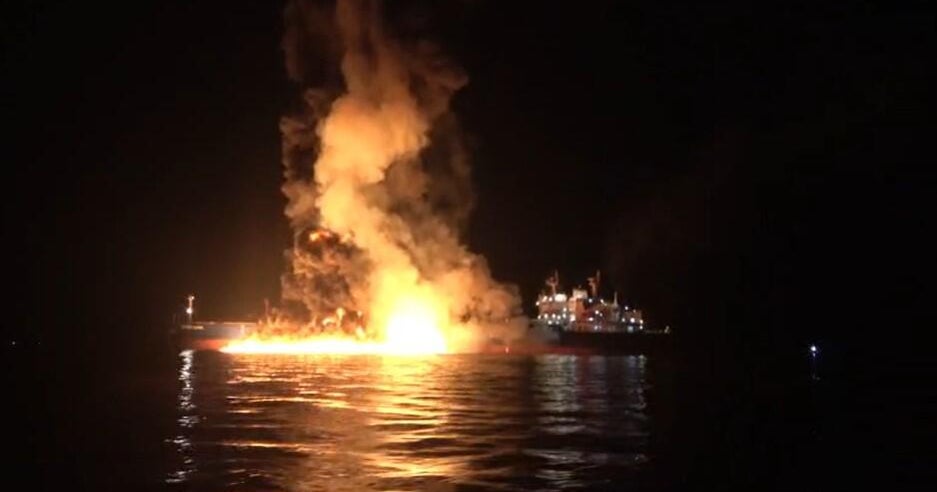
Oil prices surged sharply amid escalating conflict involving the U.S., Israel, and Iran, with Brent crude surpassing $100 per barrel due to disruptions in the critical Strait of Hormuz and attacks on oil infrastructure across the Gulf region. The crisis has led to significant economic impacts, including declines in U.S. stock markets, production shutdowns by major energy companies, and government measures such as fuel rationing in India and potential U.S. policy changes like a temporary Jones Act waiver and strategic oil reserve releases. Meanwhile, military actions have intensified, causing substantial casualties and prompting international efforts to address the escalating threats to global energy supplies and maritime security.

The conflict between the United States, Israel, and Iran has led to significant military casualties, economic costs exceeding $11.3 billion in the first six days, and disruptions to global oil trade through the Strait of Hormuz. Democratic Senator John Fetterman supports the U.S.-Israel military campaign, citing Iran’s limited ability to inflict damage and emphasizing the threat posed by Iran’s nuclear ambitions despite intelligence reports indicating no active nuclear weapon development. Meanwhile, the war’s human toll includes thousands of deaths across the involved nations, and President Trump has expressed uncertainty about the conflict’s duration as the U.S. seeks additional funding to sustain military operations.

The conflict between the United States, Israel, and Iran has escalated with attacks on commercial ships near the Strait of Hormuz, drone strikes on Dubai’s airport, and significant U.S. military casualties, while diplomatic tensions rise as Spain withdraws its ambassador from Israel. A devastating missile strike on an elementary school in southern Iran, reportedly caused by a U.S. missile, has resulted in over 165 deaths and prompted calls for an international investigation into potential war crimes. The situation underscores the growing human toll and the broader geopolitical and legal ramifications of the ongoing hostilities in the Middle East.