
U.S. District Judge James Boasberg has denied a government request to vacate his previous rulings, which halted the deportation of Venezuelan nationals under the rarely used Alien Enemies Act, emphasizing the need for these individuals to contest allegations of gang involvement before deportation. Despite criticism from President Donald Trump, who disapproved of Boasberg's initial ruling, the judge has upheld the importance of due process. The case has gained attention due to the transfer of over one hundred Venezuelan nationals to a prison in El Salvador without legal recourse, raising human rights concerns amid the broader context of controversial immigration policies.
Posts tagged as “the Tren de Aragua”
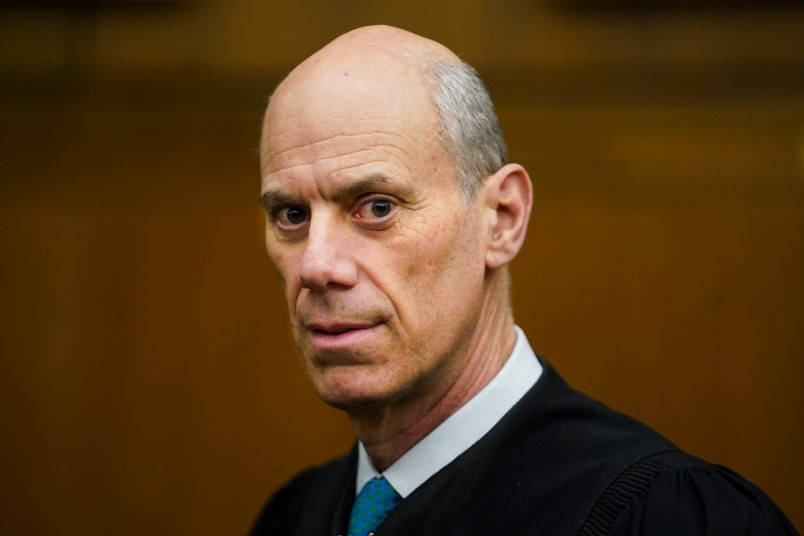
Tensions have risen between the U.S. Department of Justice and D.C. District Chief Judge James Boasberg over the disclosure of details about deportation flights conducted under the Trump administration's Alien Enemies Act. Judge Boasberg has requested specific information to assess compliance with a previous order, while the Justice Department argues that such demands interfere with executive functions and may invoke the state secrets privilege to withhold sensitive information. This legal dispute underscores the broader conflict between judicial oversight and executive authority in immigration enforcement, with potential implications for future interactions between these branches of government.

The Trump administration is facing criticism for its handling of deportation flights involving alleged members of the Tren de Aragua gang, particularly after President Trump defied a federal judge's order to stop deporting Venezuelans to El Salvador. D.C. District Chief Judge James Boasberg has demanded a detailed account of the flights, setting a deadline for the government to respond, while the Justice Department has been criticized for not complying with the order to turn back planes already en route. This situation highlights ongoing tensions between the administration and the judiciary over immigration policies, with potential implications for future legal battles that may reach the Supreme Court.
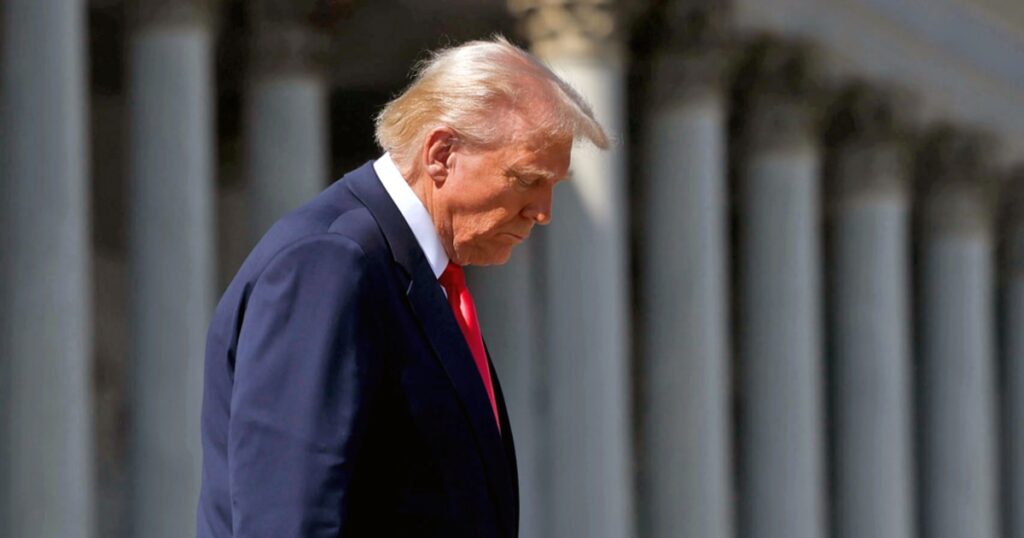
A group of Venezuelan men in immigration custody in Texas and New York have filed a federal civil lawsuit against former President Donald Trump and his administration officials, seeking to prevent deportation under the Alien Enemies Act of 1798. The lawsuit, supported by the ACLU and Democracy Forward, argues that applying this 18th-century wartime law to categorize Venezuelans as part of a gang is inappropriate and could lead to unjust deportations. A federal judge has temporarily blocked the use of the Alien Enemies Act for these deportations, sparking legal challenges and discussions about the relevance of historical laws in modern immigration policy.

President Donald Trump has invoked the Alien Enemies Act of 1798 to facilitate the detention and deportation of Venezuelan migrants suspected of being linked to the Tren de Aragua gang, which he describes as an "invasion" or "predatory incursion." This decision, despite a federal judge's temporary limitation on the act's use, underscores the president's view of the gang as a significant national security threat due to their alleged involvement in drug trafficking and "irregular warfare." The move has sparked discussions about the historical and modern implications of using such a law, with potential impacts on U.S.-Venezuelan relations and the broader immigration and national security discourse.