President Donald Trump said U.S. Southern Command killed Hector Rusthenford Guerrero Flores, known as Niño Guerrero, in a strike coordinated with Venezuela. Guerrero Flores was indicted in New York and accused of leading Tren de Aragua as a transnational criminal enterprise.
Posts tagged as “the Tren de Aragua”
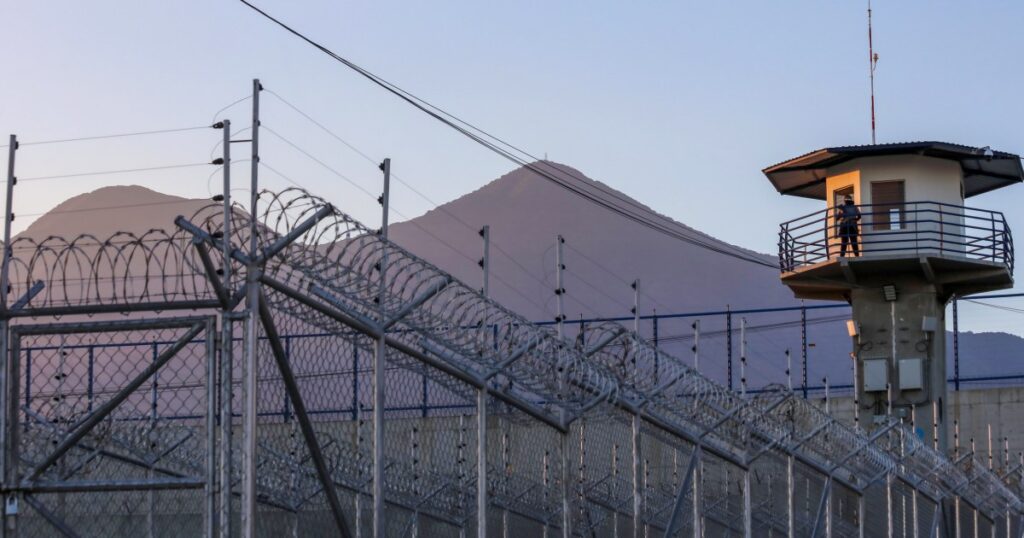
A federal judge has ordered the return of Kilmar Abrego Garcia, a Venezuelan migrant deported to El Salvador, ruling that his removal violated a court settlement protecting individuals awaiting asylum decisions. The deportation, linked to the Trump administration's controversial AEA Proclamation, has sparked legal disputes, with Judge Stephanie A. Gallagher emphasizing non-compliance with settlement terms. Meanwhile, a temporary pause in the case has been agreed upon, allowing for further negotiations and potential resolution, as the government seeks to address the situation.
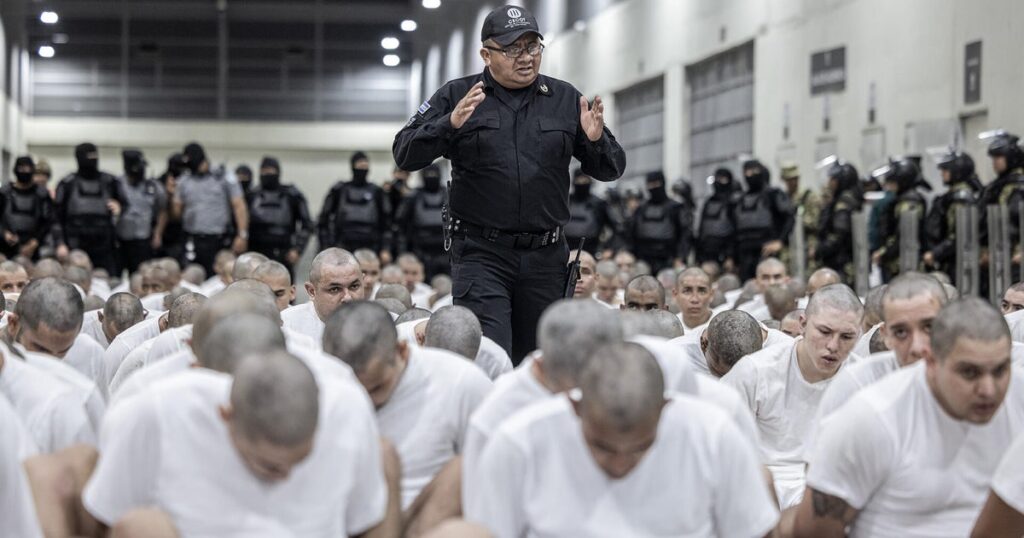
Federal judges in New York and Texas have temporarily blocked the deportation of Venezuelan nationals under the Trump administration's use of the Alien Enemies Act, challenging efforts to expedite their removal. In New York, Judge Alvin Hellerstein granted relief to two Venezuelan men, emphasizing judicial scrutiny over the administration's immigration policies. Meanwhile, the White House faces controversy over potential plans to transfer U.S. citizens convicted of crimes to El Salvador, highlighting broader debates on criminal justice and international cooperation.
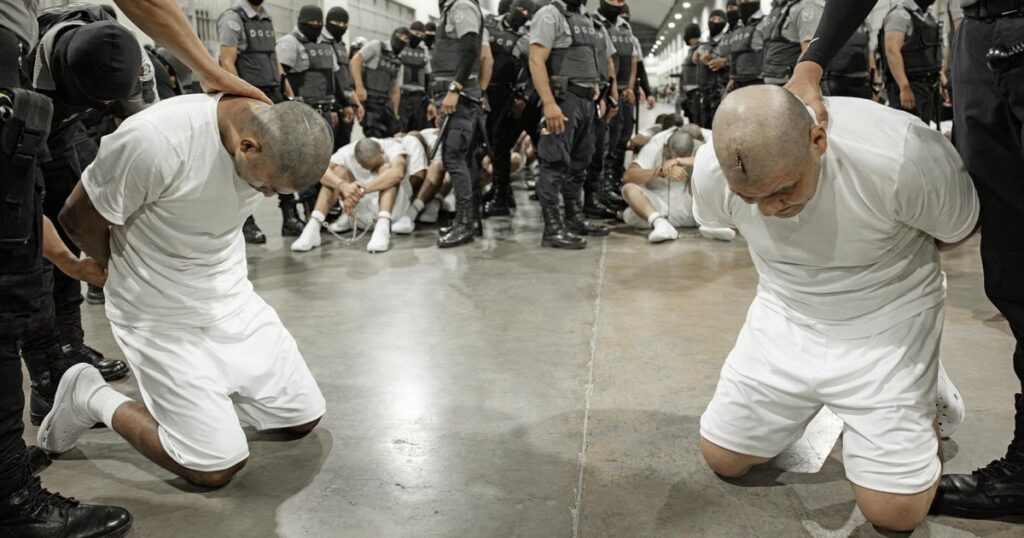
The Supreme Court ruled 5-4 in favor of the Trump administration's use of the Alien Enemies Act of 1798 to expedite the deportation of individuals alleged to be members of the Tren de Aragua gang, provided they are afforded due process. This decision overturns a previous federal judge's order that had halted these deportations due to concerns about the lack of legal proceedings. The Supreme Court emphasized the importance of jurisdiction, noting that the detainees are held in Texas, and redirected the legal proceedings to a more appropriate venue, highlighting the ongoing debate over immigration policy and the application of historical statutes.

The U.S. government has admitted to an error in the deportation of Kilmar Abrego Garcia, a Salvadoran man who was sent to a supermax prison in El Salvador despite a legal order protecting him from removal. This incident has sparked legal challenges and criticism over the methods used to determine deportations, particularly the reliance on tattoos and social media posts as evidence. The deportation flights have become the focus of a legal dispute, with U.S. District Court Judge James Boasberg blocking further deportations of alleged gang members, highlighting the ongoing controversy over U.S. immigration policies and the criteria for deportations.
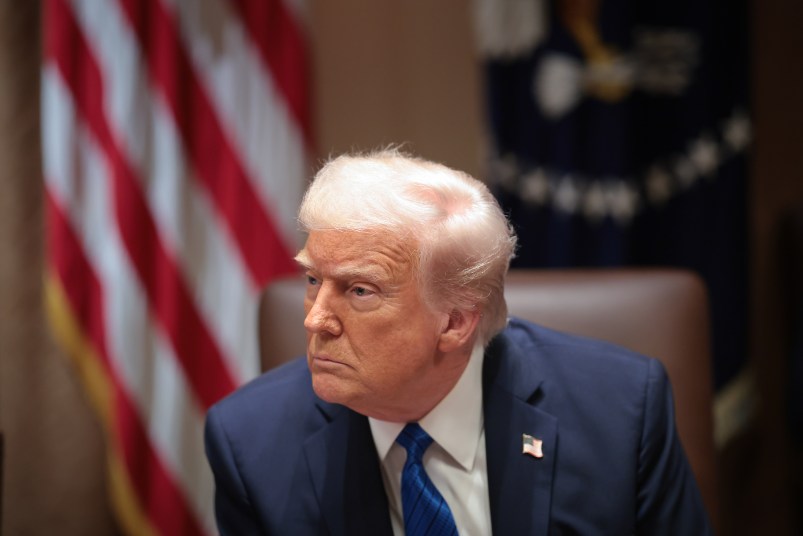
The Justice Department has requested emergency intervention from the Supreme Court after a federal appeals court in Washington blocked the deportation of individuals suspected to be members of the Tren de Aragua gang to El Salvador, a move initially pursued under the Trump administration using the wartime Alien Enemies Act. This legal conflict, which involves U.S. District Judge James Boasberg deliberating on potential contempt of court by the administration, highlights the ongoing tension between the executive branch and the judiciary over immigration policies and the use of wartime authority. The split decision by the appeals court, with Judges Karen Henderson and Patricia Millett in the majority and Judge Justin Walker dissenting, underscores differing judicial perspectives on national security and immigration enforcement, with Acting Solicitor General Sarah Harris noting the case's potential impact on the separation of powers.

A woman was distressed to see her partner in a video from an El Salvador prison after his deportation, highlighting the controversy surrounding the Trump administration's handling of Venezuelan migrant deportations. The administration is under scrutiny for potentially defying a federal judge's order to halt deportations, raising questions about its efforts to circumvent legal intervention. This case underscores the tension between the executive branch and the judiciary over immigration policies, with conflicting information from ICE agents further complicating the legal and humanitarian aspects.

A federal appellate judge expressed concerns about the treatment of Venezuelan migrants deported to El Salvador and detained without due process, drawing a historical comparison to the treatment of Nazi detainees during World War II. Judge Patricia Millett highlighted the differences in legal proceedings, noting that Nazis were given hearings under the Alien Enemies Act, whereas the Trump administration deported migrants without notice based on unverified gang affiliations. The government's defense of these actions has sparked legal and ethical debates, leading to a pause by a lower court judge as the courts examine the balance between national security and individual rights.