
President Joe Biden has called on House Republicans to compromise and end their standoff over the debt ceiling, warning of catastrophic consequences if it is not raised. Treasury Secretary Janet Yellen has warned that June 1 is a "hard deadline" for Congress to raise the debt ceiling, and that the US could default on its debt if it is not raised. Biden has also placed renewed emphasis on the possibility of citing the 14th Amendment to sidestep the debt ceiling, as negotiations with Republicans continue.
Posts tagged as “the Treasury Department”
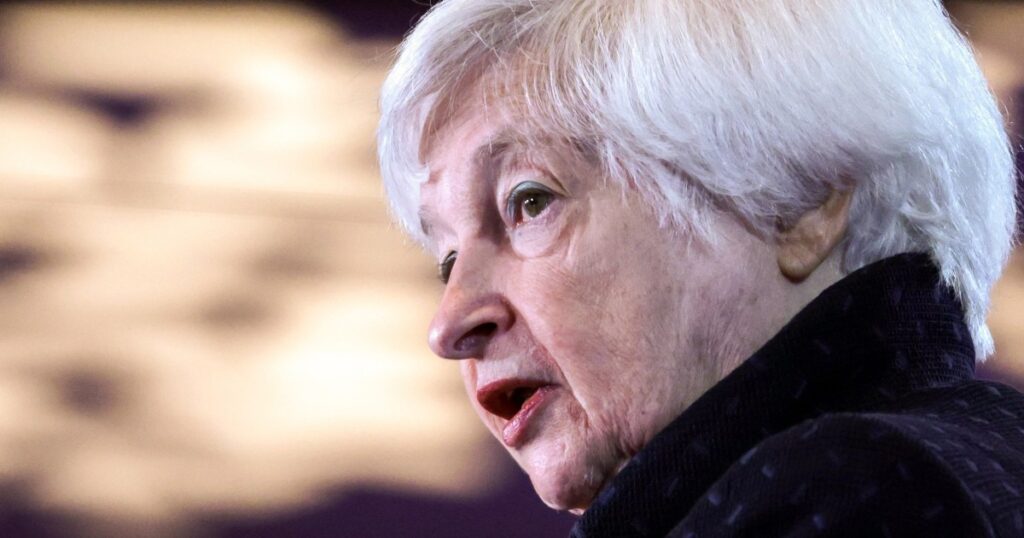
Treasury Secretary Janet Yellen warned that the U.S. government will be unable to pay its bills as early as June 1 if Congress fails to raise the debt ceiling. President Joe Biden has indicated he is not willing to accept a bipartisan deal on solely Republican terms, and world leaders at the G7 Summit Leaders' Meeting expressed concern about the potential global ramifications. Yellen urged Congress to reach a deal before the hard deadline of early June.

Negotiations between the White House and House Speaker Kevin McCarthy to raise the debt ceiling have stalled, with Rep. Garret Graves, R-La, accusing the Biden administration of being "unreasonable." Talks have been paused due to lack of progress, and both sides are under pressure to reach a deal before the June 1 deadline to avoid a potentially catastrophic default on U.S. debt. It is unclear at this time what the next steps will be in the negotiations.
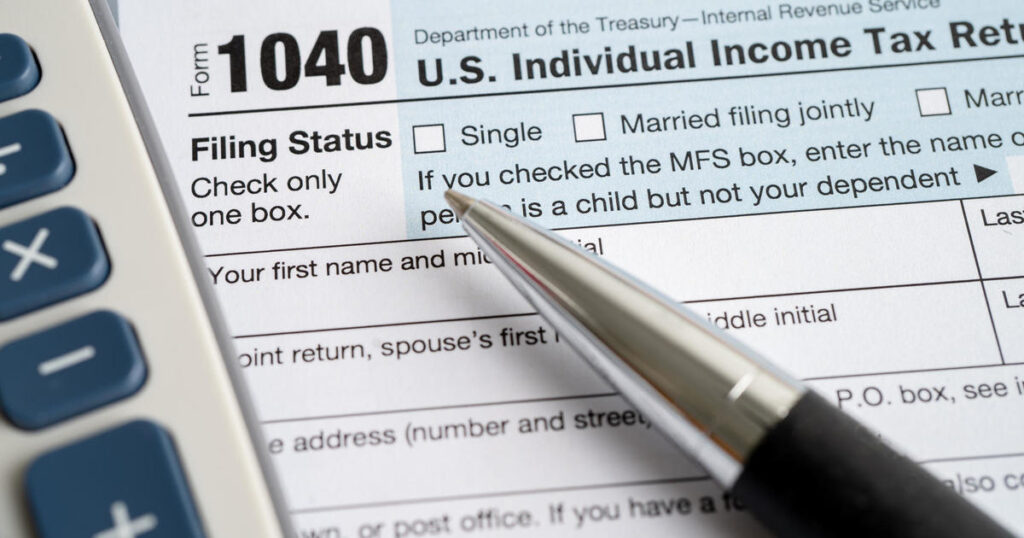
The IRS and Treasury Department have announced a pilot program to allow some taxpayers to electronically file and pay their taxes directly to the IRS, set to launch in early 2024. The program is a result of the Inflation Reduction Act of last year and could mark a major change in the way U.S. taxpayers deal with the revenue service. The IRS has built a prototype system and will invite some taxpayers to test it out next year, with the goal of making the filing process easier and more efficient.
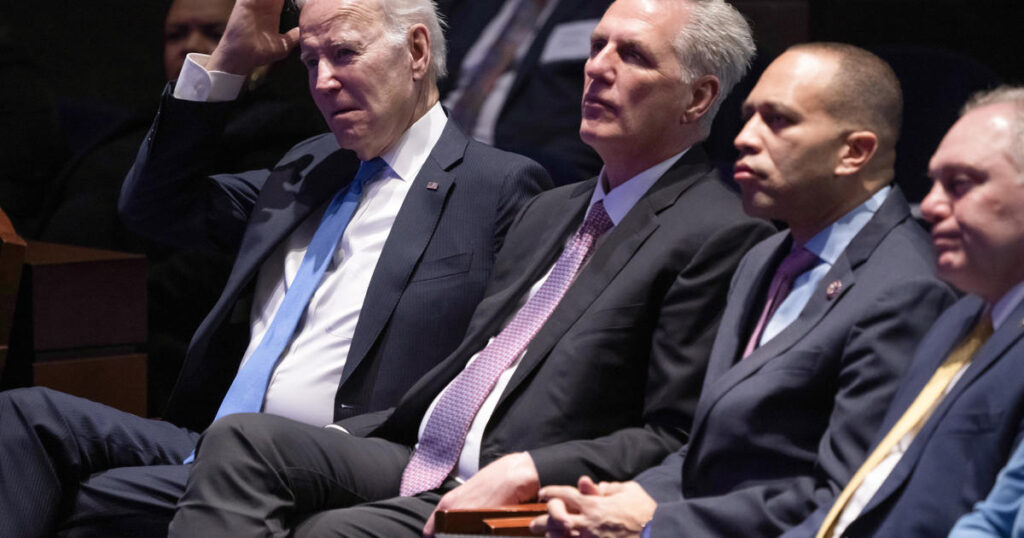
President Joe Biden is meeting with the top four members of Congress to negotiate a resolution to the looming debt ceiling crisis. Republicans want spending cuts in exchange for raising the borrowing limit, while Democrats, including Mr. Biden, want to increase the debt limit without conditions. The White House has refused to negotiate over the debt ceiling itself, but both sides agree a resolution is essential to avoid the economic calamity of a default.

Treasury Secretary Janet Yellen warned of an economic "calamity" if Congress does not raise the nation's borrowing limit, adding urgency to a meeting between President Joe Biden and congressional leaders. Yellen said a default could cause a "severe" economic downturn with a "ripple effect" felt around the world, and that the government would have to choose between paying Social Security benefits, military salaries, or interest on the debt.
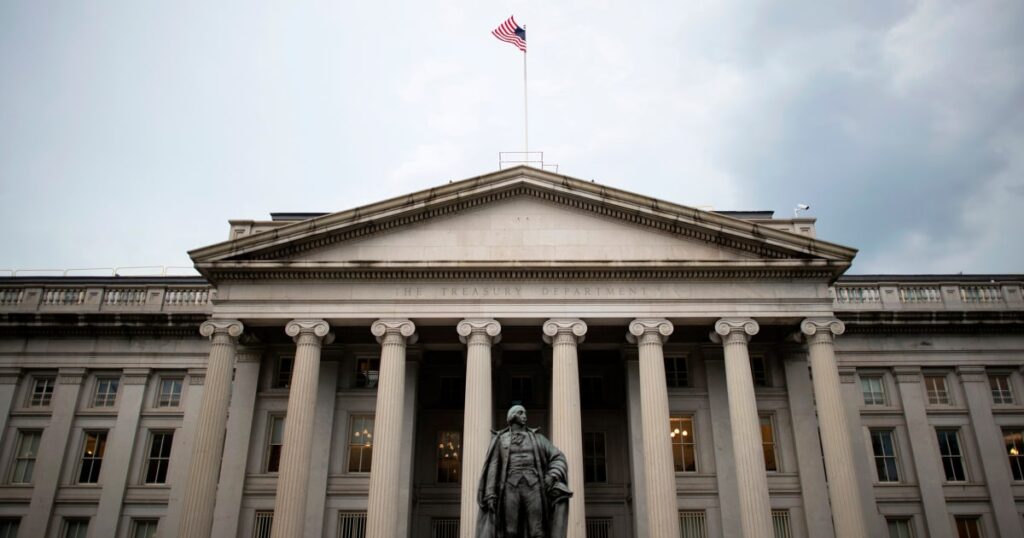
Treasury Secretary Janet Yellen has warned of "economic and financial catastrophe" if the debt ceiling is not lifted or suspended by June 1. Congressman Patrick McHenry of North Carolina, Chairman of the House Financial Services Committee, is working to come up with a solution to the debt ceiling issue, noting that a "protracted" default could trigger a Great Recession type of scenario. Both are urging Congress and the White House to come to an agreement before the June 1 deadline in order to avoid economic disaster.

The United States Treasury Department has warned that the deadline to extend the debt ceiling or face the first U.S. default could be as early as June 1. Analysis from Moody's Analytics has revealed that tax receipts have been weaker than expected, leading to the revised timeline. Treasury Secretary Janet Yellen is urging Congress to act quickly in order to avoid a self-inflicted crisis, warning that "failure to act would have catastrophic economic consequences for every American."