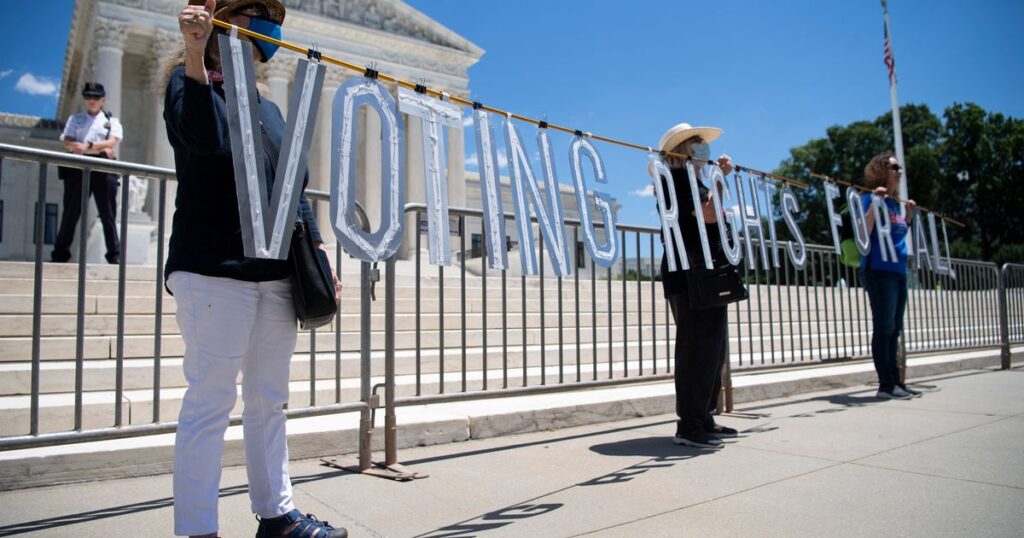
The case challenges South Carolina's congressional district map adopted in 2022, which was brought by Black South Carolinians alleging that the state is diluting Black voters’ power. A three-judge federal district court panel found that the map had “bleached … African American voters out of the district”. The Supreme Court will decide whether the process was illegal racial discrimination or simply partisan politics.
Posts tagged as “the Supreme Court”
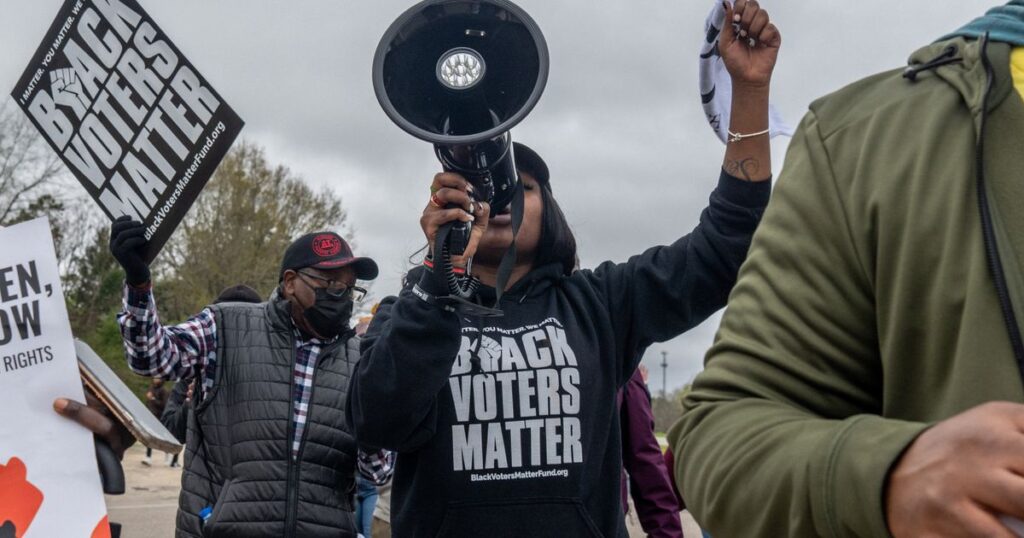
Alabama has been ordered to conduct its 2024 congressional elections under a new map crafted by a special master, following a Supreme Court decision in June that found the state had violated the Voting Rights Act. The new map creates a second Black-plurality district in southern Alabama, which is expected to heavily favor Democrats. The new district was created by moving the heavily white coastal region into the 1st congressional district and extending the 2nd district across the Black Belt. The new map is set to be used for the 2024 congressional elections, and it will likely have a significant impact on the state’s political landscape.

Today, the Supreme Court is hearing oral arguments in Acheson Hotels LLC v. Laufer, a case that could have major implications for the rights of disabled individuals. Deborah Laufer, a disabled Florida resident, filed a lawsuit against Acheson Hotels LLC in 2020 for failing to provide sufficient accessibility information on their website or reservation system. The Supreme Court is now considering whether a disability rights campaigner can sue hotels for failing to disclose accessibility information if she doesn't plan to actually book a room.
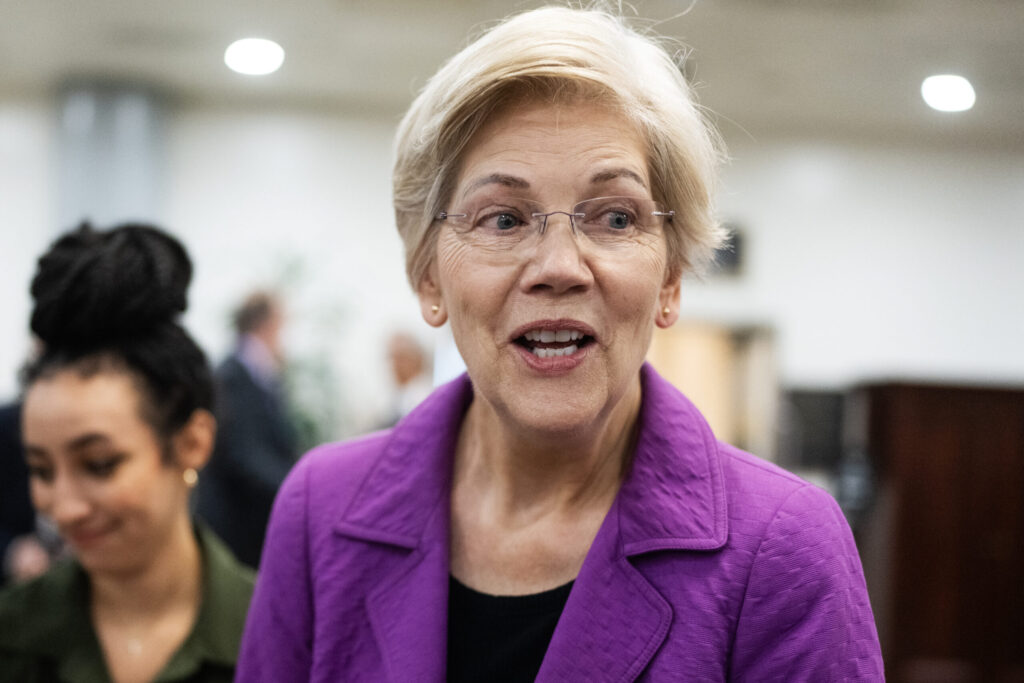
The Supreme Court heard arguments on Tuesday in a case that could determine the future of the Consumer Financial Protection Bureau (CFPB). Noel Francisco, who argued on behalf of the trade associations challenging the CFPB's funding structure, faced tough questioning from the justices. If the court rules in favor of the trade associations, it could gut the agency’s funding and have a major impact on the post-financial crisis regulatory landscape. The Supreme Court is expected to issue a ruling on the case in the coming months.
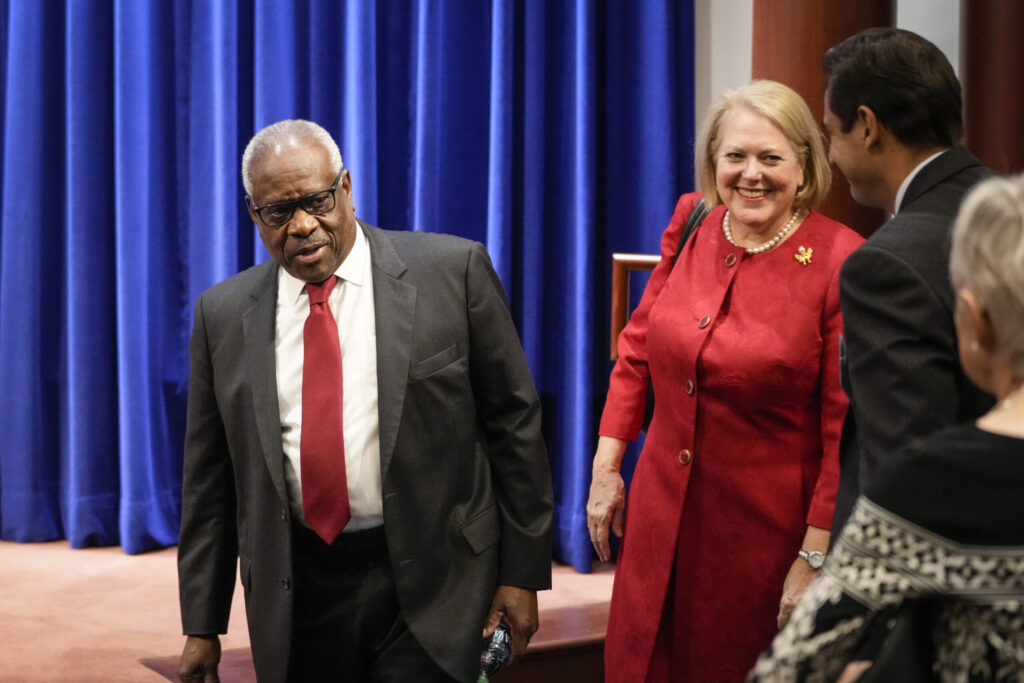
The Supreme Court has rejected John Eastman's request to throw out court rulings that identified him as a key figure in former President Donald Trump's efforts to overturn the 2020 election, affirming lower court decisions that resulted in Capitol riot investigators getting access to Eastman's emails. U.S. District Judge David Carter had previously found that Eastman lied to a federal court in Georgia, and the emails sought by the Jan. 6 committee are seen as key evidence in the investigation. The implications of this ruling for Eastman remain unclear.
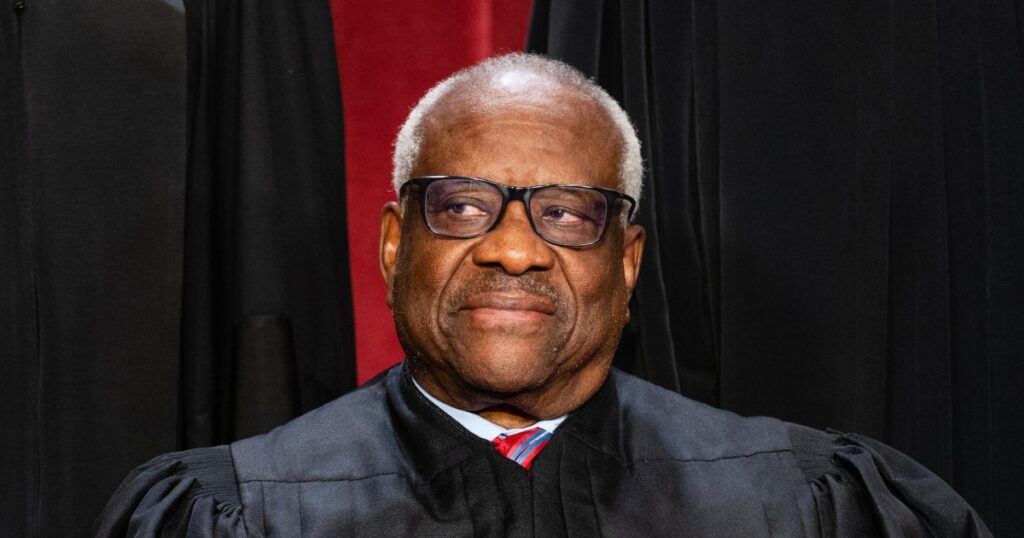
The Supreme Court rejected an appeal from John Eastman, former legal adviser to Donald Trump, who sought to shield his emails from investigators of the Jan. 6 Capitol assault. Justice Clarence Thomas, who had previously shown support for Trump's legal arguments, recused himself from the case, though the reason for his recusal is unclear. Eastman had served as a law clerk to the justice, and emails obtained by the House panel showed that Ginni Thomas, the justice's wife, corresponded with the conservative lawyer.
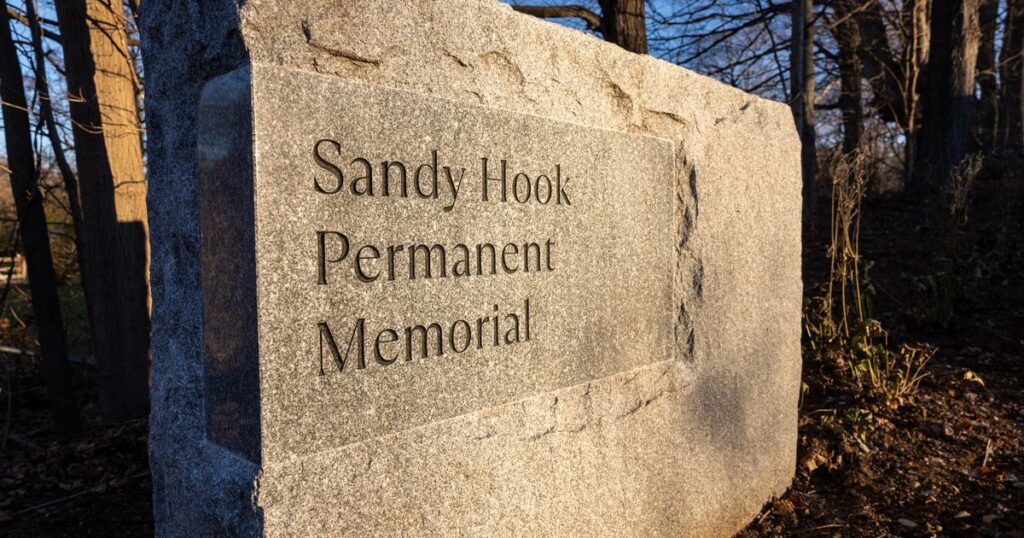
Connecticut is set to enact a comprehensive gun control measure on Sunday, limiting the sale of handguns to three per person in a thirty day period and banning open carrying of firearms. The law has been met with legal challenges, but gun control advocates hope it will reduce gun violence in the state. Mixed reactions from gun rights and gun control advocates remain, as the long-term effects of the law remain to be seen.
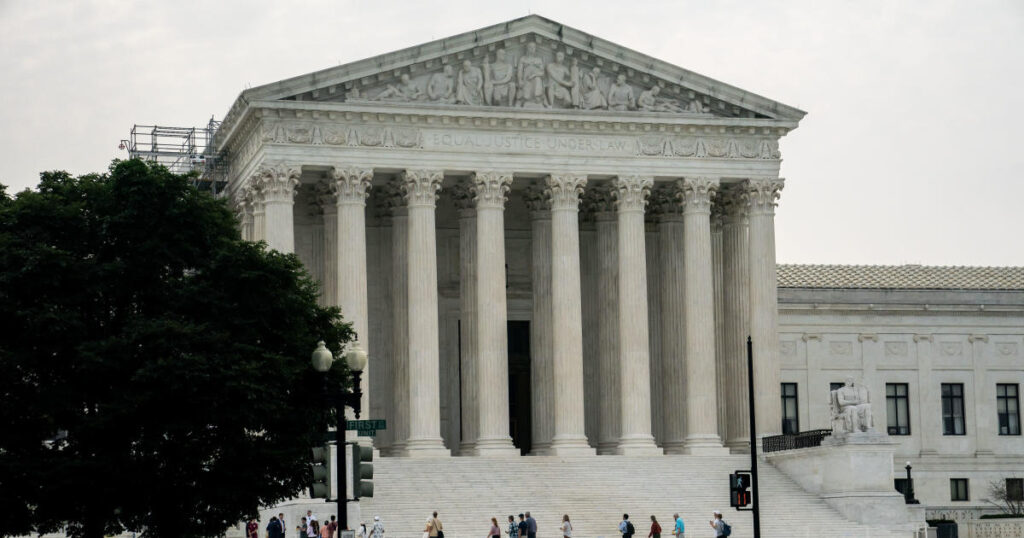
Key takeaways: The Supreme Court will decide the legality of laws passed in Texas and Florida that seek to regulate the content moderation policies of…