Press "Enter" to skip to content

Posts tagged as “the Strait of Hormuz”

U.S. Stocks Surge as Trump Delays Strikes on Iran, Easing Middle East Tensions and Dropping Oil Prices

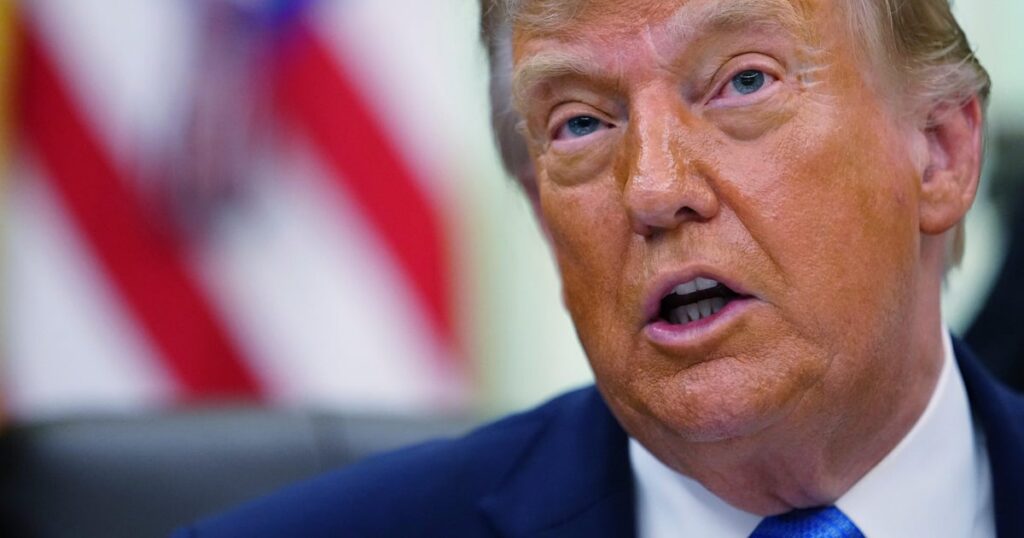
U.S. stock markets surged on Monday after President Donald Trump announced a five-day delay in military strikes on Iranian power plants, easing fears of immediate conflict amid tensions over the Strait of Hormuz. The announcement led to a sharp decline in oil prices, though crude remains significantly higher than pre-conflict levels, contributing to rising gasoline costs in the U.S. Despite the temporary de-escalation, Iranian officials rejected dialogue with Washington, maintaining a tense diplomatic standoff.

US-Iran Tensions Escalate Over Strait of Hormuz as Military Threats and Attacks Surge, Driving Global Oil Prices Soaring

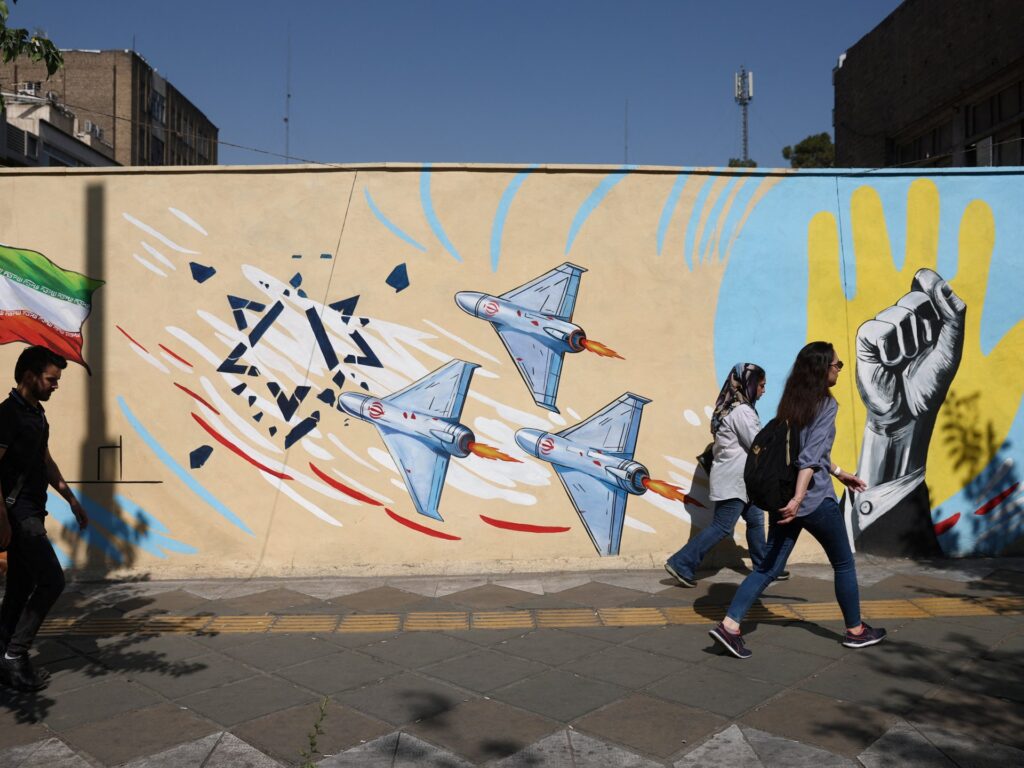
Tensions between the United States and Iran have sharply escalated over the closure of the strategic Strait of Hormuz, with the U.S. issuing an ultimatum threatening to target Iran’s energy infrastructure and Iran responding with warnings of retaliatory strikes on U.S. and Israeli assets. Military engagements have already occurred, causing significant disruptions to global oil supplies and surging prices, while international efforts to secure the strait face challenges due to Iran’s control over critical infrastructure through the IRGC. Experts warn that military action alone may not resolve the crisis and highlight the potential humanitarian risks of targeting energy infrastructure linked to civilian services, prompting calls for careful strategic decisions amid growing regional instability.

U.S. Treasury Secretary Defends Military Strikes on Iran, Eases Oil Sanctions Amid Rising Congressional Opposition

U.S. Treasury Secretary Scott Bessent defended recent U.S. military strikes on Iranian infrastructure as necessary escalations to de-escalate tensions, while also explaining the easing of sanctions to release Iranian oil onto global markets as a strategic move against Iran. Iran warned of retaliatory attacks on U.S. and allied infrastructure if its fuel and energy facilities were targeted, though the U.S. has so far avoided directly hitting Iran’s oil infrastructure. Meanwhile, growing political opposition in Congress criticized the administration for lack of authorization, transparency, and a clear strategy, calling for an end to the conflict.

Iranian Missile Strikes Injure 90 in Israeli Towns Near Nuclear Center Amid Escalating Middle East Conflict

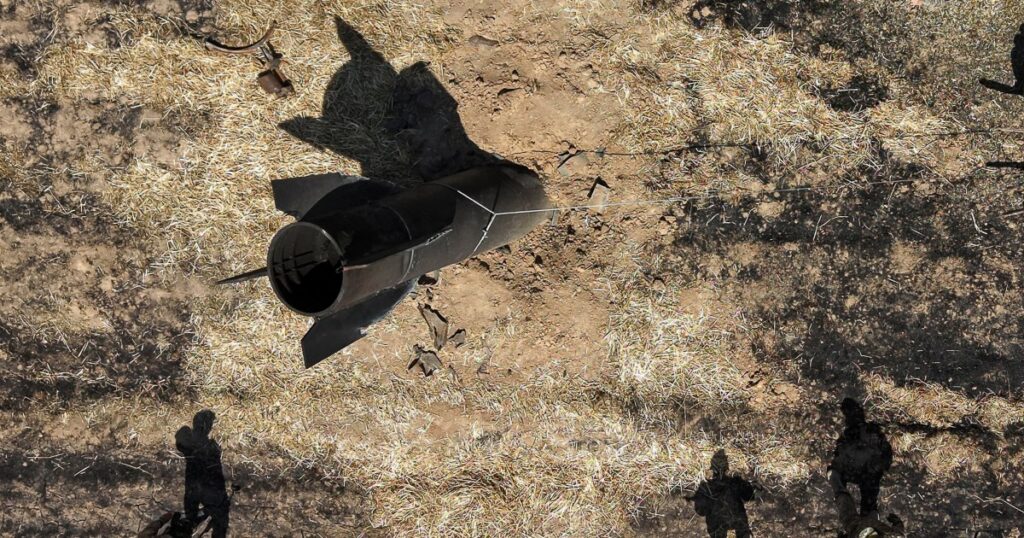
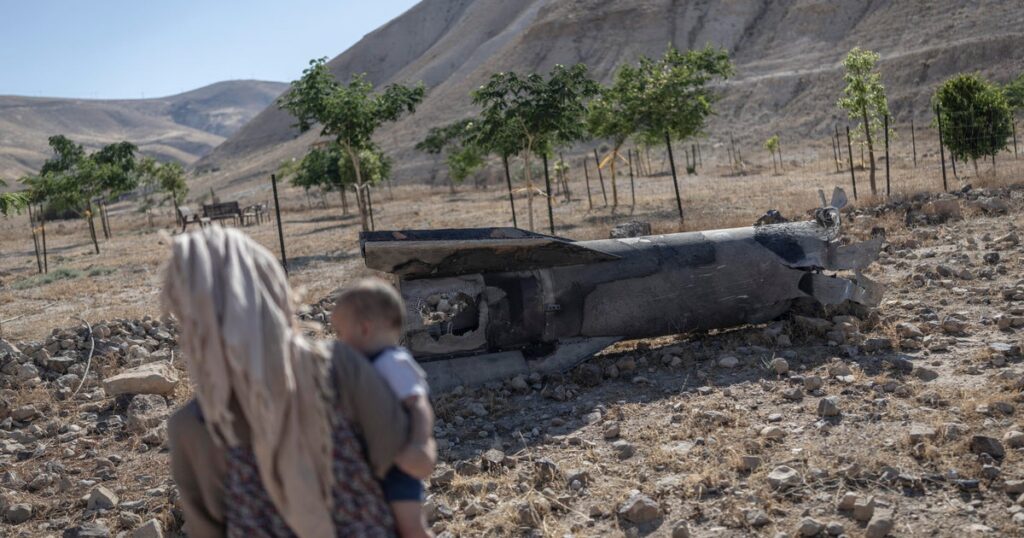
Iranian missile strikes targeted the Israeli towns of Dimona and Arad near the country’s main nuclear research center, injuring at least 90 people and causing significant damage. The attacks followed an airstrike on Iran’s Natanz nuclear facility and marked an escalation in the ongoing conflict, with Israeli officials condemning the strikes as reckless and strategically aimed at civilians. Meanwhile, U.S. intelligence testimony before Congress revealed differing objectives between the U.S. and Israel in the conflict and warned of potential broader regional impacts, including threats to U.S. forces and disruptions to global oil supplies.

US Temporarily Eases Sanctions on Iranian Oil Shipments to Alleviate Global Energy Prices Amid Tensions

The U.S. Treasury Department has temporarily eased sanctions on Iranian oil shipments already at sea to help lower soaring global energy prices, allowing purchases of oil loaded before a specified deadline until April 19. This narrowly tailored move aims to increase supply without significantly benefiting Iran financially, marking a shift from previous maximum pressure policies amid ongoing tensions and geopolitical conflicts affecting oil markets. However, experts remain skeptical about the relief’s effectiveness, while high fuel costs continue to impact industries like aviation, prompting operational adjustments and discussions of increased security measures in critical shipping routes.

U.S. Weighs Ground Troop Deployment in Iran Amid Rising Concerns for American Detainees’ Safety

Tensions between the U.S. and Iran have heightened concerns over the safety of at least four American detainees held in Iran’s volatile prisons amid ongoing conflict and unrest. Meanwhile, the U.S. government is considering various military options, including potential ground troop deployments, to counter Iran’s strategic capabilities and secure key regional assets like the Strait of Hormuz. These developments occur alongside complex regional dynamics, with strained U.S.-Israel coordination following unilateral Israeli strikes on Iranian targets, highlighting the challenges of balancing humanitarian concerns with broader military and diplomatic strategies.

Trump Administration Prepares Over $200 Billion Emergency Funding Request for Iran Military Operations Amid Congressional Concerns

The Trump administration is reportedly preparing to request over $200 billion in emergency supplemental funding from Congress to support ongoing military operations in Iran, potentially using the request to retroactively justify the conflict. While House Speaker Mike Johnson and Defense Secretary Pete Hegseth have not ruled out the large funding package, lawmakers, especially Democrats, have expressed concerns about the lack of congressional authorization and the political challenges in passing such a bill. President Trump defended the surprise nature of the strikes on Iran, compared them to Pearl Harbor, confirmed the funding request, and downplayed the economic impact despite disruptions in the Strait of Hormuz.

US and Israel escalate strikes on Iran amid rising energy prices and Strait of Hormuz closure

The United States and Israel have escalated military strikes against Iran, with the U.S. conducting over 7,000 attacks on Iranian military and industrial sites as part of Operation Epic Fury, while Israel targeted key Iranian officials and energy infrastructure. These actions have heightened tensions and disrupted global energy markets, prompting President Trump to warn Israel against further attacks on shared resources unless provoked by Iran, and calls for international efforts to reopen the closed Strait of Hormuz. Despite significant damage to Iran’s capabilities, intelligence reports indicate the regime remains intact, amid ongoing investigations into leaks related to the conflict and revelations of covert coordination between the U.S. and Israel.

We've updated the design to something a little more modern.  Got an opinion?  Let us know!