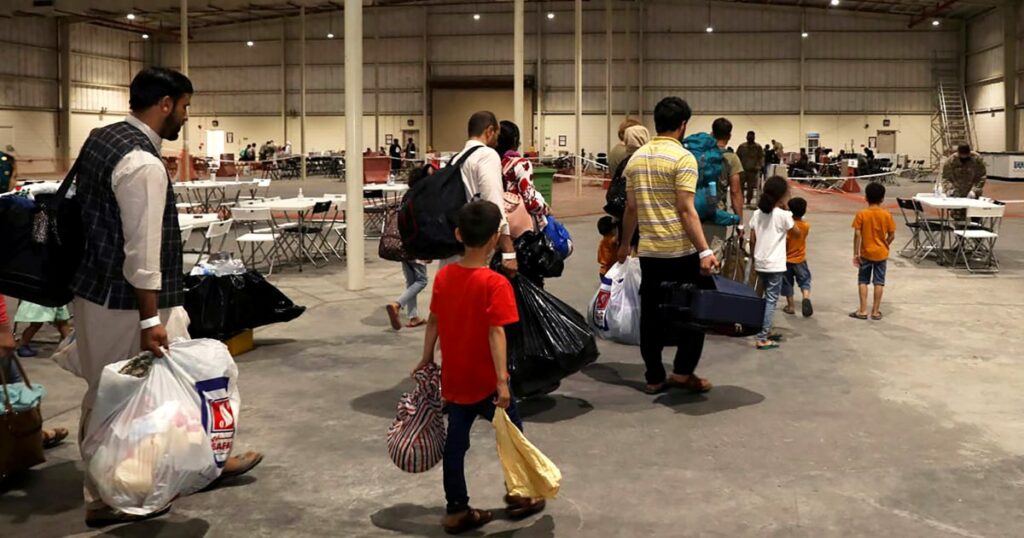
More than 1,100 Afghan refugees who supported the U.S. remain stranded at Camp As Sayliyah in Qatar, facing a March 31 deadline to relocate to an unspecified third country or return to Taliban-controlled Afghanistan, despite risks of persecution. Advocacy groups criticize the Trump administration’s handling of the situation, calling the camp a “prison camp” and expressing concerns about the refugees’ uncertain futures, while the State Department defends the closure as necessary and humane. Meanwhile, escalating tensions in the Middle East, particularly involving Iran’s unyielding stance and militia activities, complicate regional security and diplomatic efforts, highlighting the broader challenges affecting both refugees and U.S. foreign policy.
Posts tagged as “the “Riviera of the Middle East”

On Palm Sunday, Israeli police prevented Cardinal Pierbattista Pizzaballa and Reverend Francesco Ielpo from entering the Church of the Holy Sepulchre, marking the first time in centuries that the traditional Mass could not be held there, due to heightened security amid conflict between Israel and Iran. The move, justified by Israeli authorities as a safety measure against missile threats, sparked widespread international condemnation for infringing on religious freedoms and access to holy sites. In response to the backlash, Israeli Prime Minister Netanyahu’s office pledged to facilitate worship for church leaders during the remainder of Easter week, highlighting the ongoing tension between security and religious rights in Jerusalem.
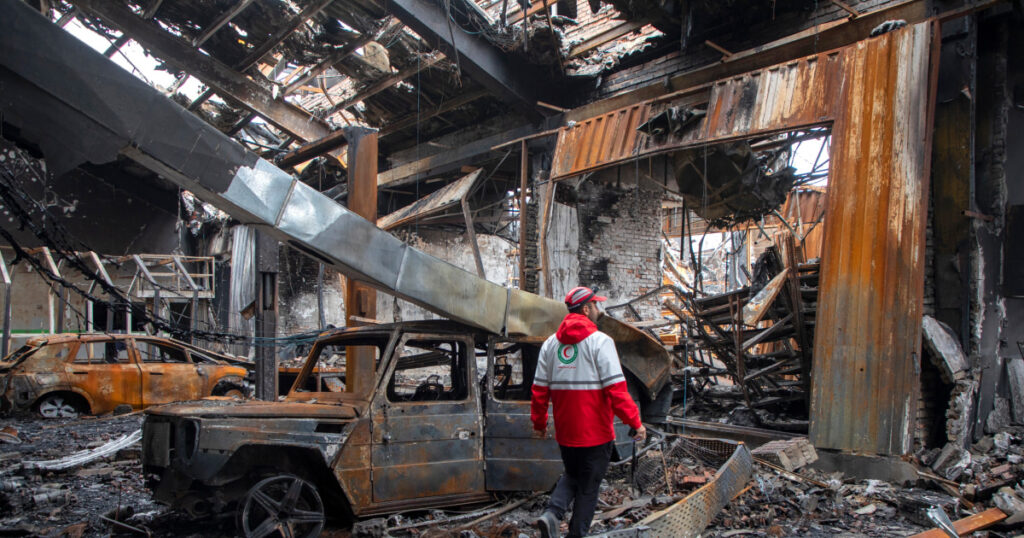
More than 3,500 U.S. troops, including approximately 2,500 Marines aboard the USS Tripoli, have been deployed to the Middle East amid escalating tensions with Iran following recent missile and drone attacks on Saudi Arabia that injured U.S. personnel. The conflict has disrupted global oil exports and shipping routes, with Iranian-backed Houthi rebels also entering the fray, raising concerns over maritime security. Despite rising hostilities and military preparations, diplomatic efforts continue, with the U.S. proposing a peace plan that Iran has rejected, while both sides maintain readiness for further confrontation.

European officials and Ukrainian President Volodymyr Zelenskyy have raised alarms over Russia’s deepening military cooperation with Iran, particularly involving intelligence sharing and drone technology that targets U.S. forces in the Middle East and supports Russia’s efforts in Ukraine. Zelenskyy provided evidence of Russian satellites aiding Iranian attacks on American bases and highlighted Ukraine’s efforts to share anti-drone technology with Gulf states facing Iranian aggression. This growing alliance complicates U.S. military resource allocation and diplomatic negotiations, with Zelenskyy emphasizing the need for sustained Western support amid stalled peace talks and shifting geopolitical priorities.
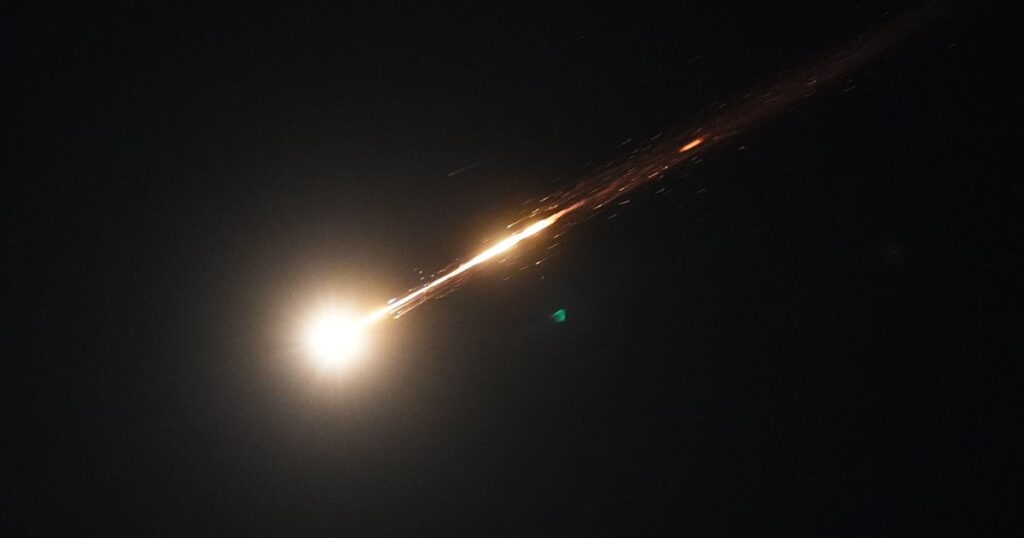
The conflict between the United States, Israel, and Iran has intensified, with Iran rejecting a U.S. peace proposal while talks continue amid threats of severe military action, including a possible ground invasion of the strategically vital Kharg Island. The U.S. is increasing its military presence in the Middle East, deploying troops and equipment as tensions rise, while international leaders, including the UN Secretary-General, call for an immediate end to hostilities to prevent wider regional escalation. The ongoing conflict has caused global economic uncertainty, particularly affecting oil markets due to disruptions around Kharg Island and the closure of the Strait of Hormuz.
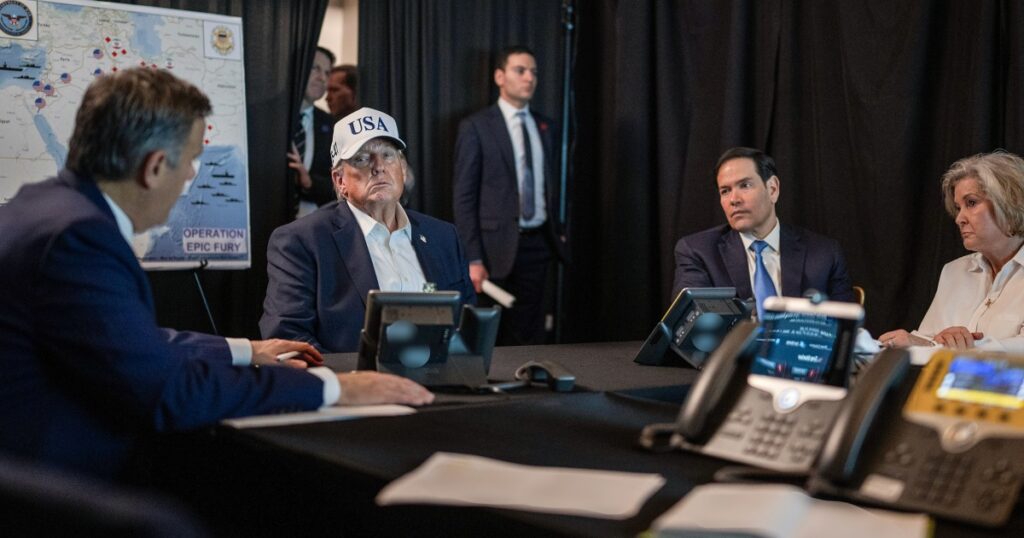
The United States is preparing to deploy elements of the 82nd Airborne Division, including fewer than 1,500 troops, to the Middle East amid ongoing air operations targeting Iranian military infrastructure. Since the conflict began on February 28, the U.S. has conducted over 9,000 combat flights against key Iranian military sites, while additional Marines and naval forces are being sent to the region. Although President Trump receives curated daily briefings emphasizing U.S. successes, some officials worry he may not be fully informed of setbacks, a concern denied by the White House amid divided public opinion on the war.
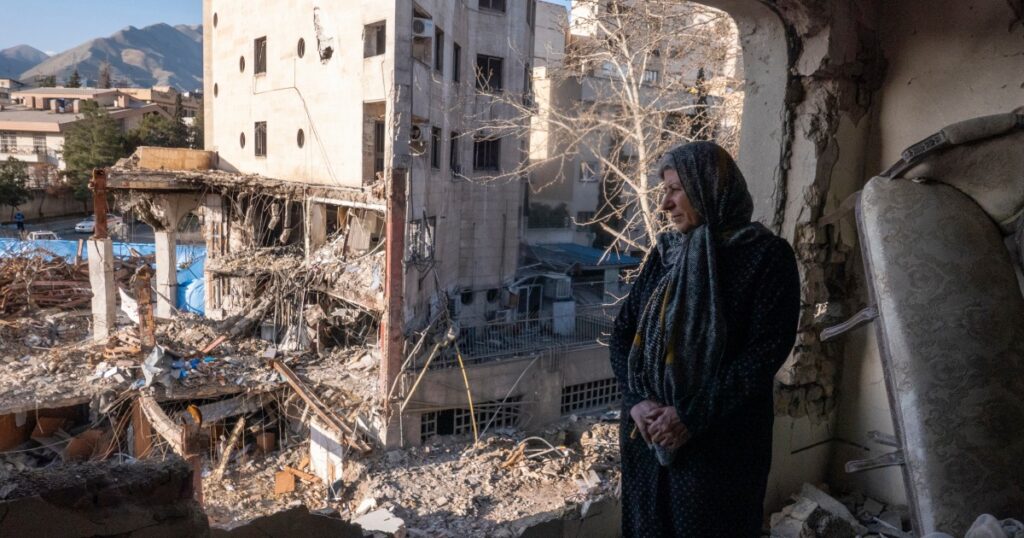
Tensions between the United States and Iran have sharply escalated over the closure of the strategic Strait of Hormuz, with the U.S. issuing an ultimatum threatening to target Iran’s energy infrastructure and Iran responding with warnings of retaliatory strikes on U.S. and Israeli assets. Military engagements have already occurred, causing significant disruptions to global oil supplies and surging prices, while international efforts to secure the strait face challenges due to Iran’s control over critical infrastructure through the IRGC. Experts warn that military action alone may not resolve the crisis and highlight the potential humanitarian risks of targeting energy infrastructure linked to civilian services, prompting calls for careful strategic decisions amid growing regional instability.
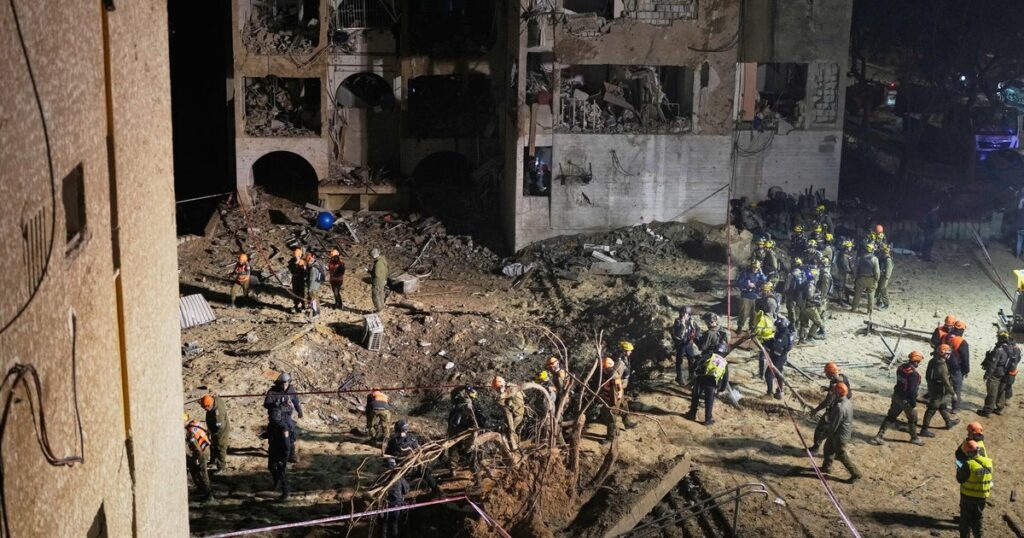
Iranian missile strikes targeted the Israeli towns of Dimona and Arad near the country’s main nuclear research center, injuring at least 90 people and causing significant damage. The attacks followed an airstrike on Iran’s Natanz nuclear facility and marked an escalation in the ongoing conflict, with Israeli officials condemning the strikes as reckless and strategically aimed at civilians. Meanwhile, U.S. intelligence testimony before Congress revealed differing objectives between the U.S. and Israel in the conflict and warned of potential broader regional impacts, including threats to U.S. forces and disruptions to global oil supplies.