
Key takeaways: The balloon was spotted southwest of the northern port city of Keelung on Thursday night, and continued east before disappearing. The incident highlights…
Posts tagged as “the Pacific Ocean”
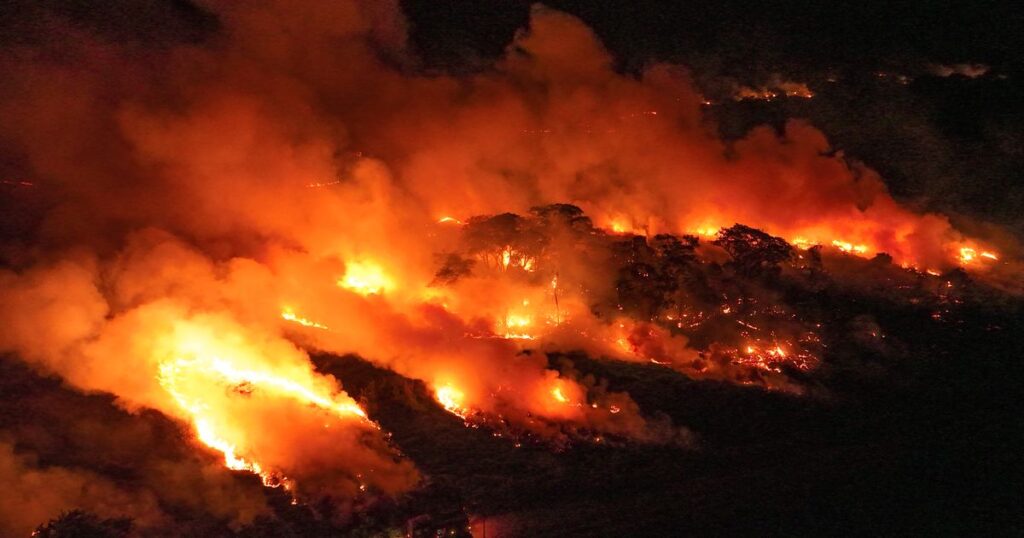
The World Meteorological Organization (WMO) has announced that 2023 is likely to be the hottest year on record, with global temperatures reaching 1.4 degrees Celsius (2.5 Fahrenheit) above preindustrial levels. This is just one-tenth of a degree under the Paris climate accord's target limit for the end of the century. The WMO report warns of increasing floods, wildfires, glacier melt, and heat waves, and the onset of El Nino could tip the average temperature next year over the 1.5-degree (2.7 degrees Fahrenheit) threshold. World leaders must take immediate action to reduce emissions and mitigate the effects of climate change to meet the Paris climate accord's goal of limiting global warming to 1.5 degrees Celsius (2.7 degrees Fahrenheit).

Adrienne Watson, National Security Council spokesperson, condemned North Korea's attempt to launch a spy satellite into orbit, which was detected by South Korea's military and successfully launched late Tuesday night. Japan briefly issued an advisory in Okinawa and Prime Minister Fumio Kishida condemned the launch, while the missile was believed to have passed into the Pacific Ocean. Watson's statement called the launch a "brazen violation of multiple international laws and norms."

Tokyo Electric Power Co. (Tepco) has begun the gradual release of 1.3 million metric tons of treated and diluted radioactive wastewater from the destroyed Fukushima Daiichi nuclear power plant into the Pacific Ocean, despite criticism from domestic and international sources. The release is expected to take two years to complete, and the Japanese government has promised to monitor the situation and take steps to ensure the safety of the environment.
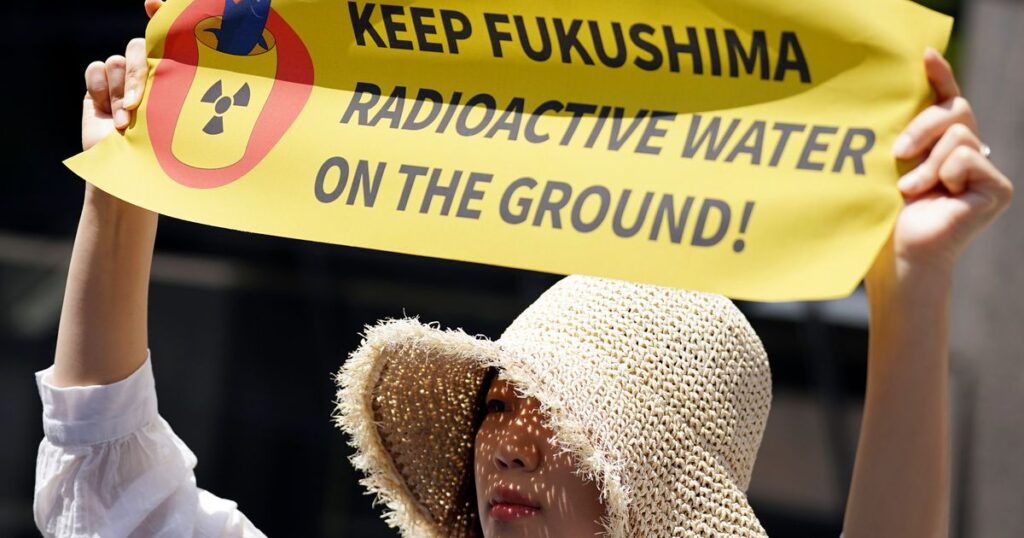
On Thursday, August 24th, Japan is set to begin releasing treated and diluted radioactive wastewater from the Fukushima Daiichi nuclear plant into the Pacific Ocean. This plan has been met with criticism from China and local fishing groups, but the Japanese government has said that the wastewater has been treated and diluted to meet safety standards. The release of the wastewater is necessary for the decommissioning of the plant and will be closely monitored to ensure that it does not cause any environmental damage.

This article tells the story of Timothy Shaddock, a 51-year-old sailor who was lost at sea for three months with his dog, Bella. After his boat's electronics system was damaged during rough seas, he was rescued by fishermen in the Pacific Ocean. At a news conference, Shaddock expressed his gratitude to the fishermen who saved him and vowed to never give up sailing. His story is a reminder of the power of the human spirit and the courage of those who take to the sea.

This week, nearly 100 million people in the United States will be affected by a record-breaking heat wave caused by the return of El Niño. Global average temperatures have set new records or tied existing ones for four days in a row, beginning July 3, indicating that the heat wave is not only affecting the United States, but the entire world. The National Weather Service has issued warnings for those in the affected areas to take precautions to stay safe in the heat.

This report from the World Meteorological Organization (WMO) reveals that there is a two-out-of-three chance that the world will temporarily reach the internationally accepted global temperature threshold for limiting the worst effects of climate change within the next five years. This threshold was set by the 2015 Paris climate agreement, and is likely to be surpassed due to a combination of human-caused warming and a natural El Nino climate pattern. The WMO has urged countries to take action to reduce their emissions and to prepare for the impacts of climate change.