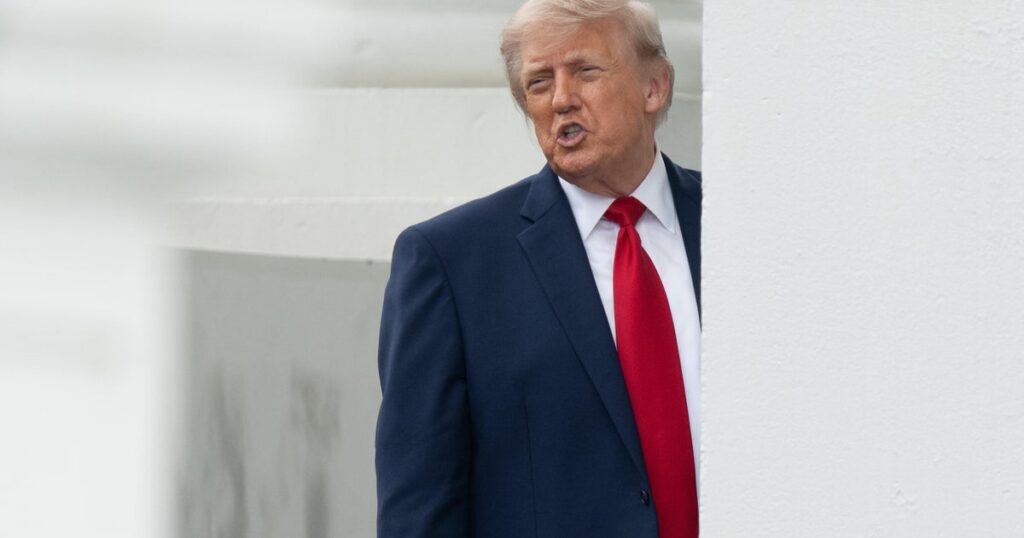
U.S. financial markets declined sharply amid fading hopes for imminent peace talks between the U.S. and Iran, with major stock indexes falling and bond yields rising, leading to increased mortgage rates globally. Oil prices surged over 40% since the conflict began, driven by heightened tensions, while diplomatic efforts stalled as Iran rejected a U.S. peace proposal seen as one-sided. Military actions, including the targeted killing of an Iranian naval commander by Israel and significant U.S. strikes on Iran’s navy, have escalated the conflict, with warnings from President Trump and concerns over Russia’s involvement further complicating the geopolitical landscape.
Posts tagged as “the Oval Office of the White House”
As the U.S. military campaign in Iran nears one month, bipartisan lawmakers have expressed frustration over the administration’s lack of clear strategy, objectives, and transparency regarding funding, with the Pentagon preparing to request an additional $200 billion to support operations. Congressional officials criticized the absence of definitive answers on the war’s goals and the potential deployment of ground troops, a move some view as a “red line” that could jeopardize support. Despite the White House’s claims of ongoing briefings and commitment to dismantling Iran’s military capabilities, lawmakers continue to demand more detailed information amid escalating costs and strategic uncertainty.
The U.S. Justice Department and Michael Flynn have reached a financial settlement in Flynn’s lawsuit alleging wrongful prosecution, though the settlement terms were not disclosed. Flynn, who was charged in 2017 with making false statements to the FBI and later pardoned by President Trump, claimed the government targeted him politically due to his association with Trump’s 2016 campaign. Following the settlement, Flynn condemned what he called a "brazen attempt to weaponize federal law enforcement" and praised current Justice Department leaders for their accountability efforts.
The United States is preparing to deploy elements of the 82nd Airborne Division, including fewer than 1,500 troops, to the Middle East amid ongoing air operations targeting Iranian military infrastructure. Since the conflict began on February 28, the U.S. has conducted over 9,000 combat flights against key Iranian military sites, while additional Marines and naval forces are being sent to the region. Although President Trump receives curated daily briefings emphasizing U.S. successes, some officials worry he may not be fully informed of setbacks, a concern denied by the White House amid divided public opinion on the war.
The Department of Homeland Security remains partially shut down for a second month due to stalled congressional negotiations, causing major disruptions like long airport security lines and unpaid TSA workers. The shutdown reflects deep partisan divisions, with Republicans blaming Democrats for blocking funding over ICE reform demands, while Democrats insist on accountability measures for federal agents before restoring full DHS funding. Meanwhile, President Trump’s contradictory stance on mail-in voting and ongoing legal challenges related to federal law enforcement investigations further complicate the political environment surrounding the shutdown and broader administration policies.
Delta Air Lines has temporarily suspended special services for members of Congress at airports due to operational challenges caused by the ongoing partial U.S. government shutdown and resulting TSA staffing shortages. The shutdown has led to severe workforce reductions, with many TSA employees working without pay and facing financial and mental health hardships, prompting criticism of temporary measures like deploying ICE agents to assist with security. Meanwhile, airlines and airport staff urge Congress to resolve the funding impasse soon, as the Senate nears a potential deal to restore Department of Homeland Security operations and ease widespread travel disruptions.
Senate Republicans are advancing a plan to reopen most of the Department of Homeland Security (DHS) during the ongoing government shutdown by funding all components except ICE’s immigration enforcement, aiming to gain support from President Trump and Senate Democrats. The proposal includes passing election-related provisions from the SAVE America Act through a separate budget reconciliation bill, though experts doubt these measures will meet strict budgetary rules, raising questions about the plan’s political feasibility. While Democrats remain cautiously open but demand ICE restrictions, bipartisan negotiations continue amid optimism from some Senate leaders to end the shutdown and restore DHS operations.