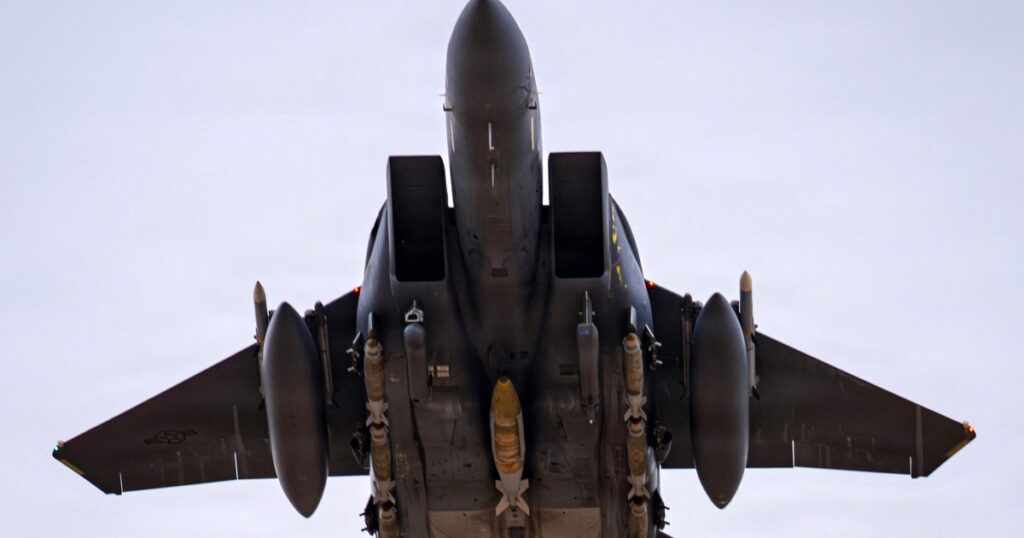
U.S. forces rescued the second crew member of an F-15E fighter jet shot down over Iran, completing a complex operation involving special forces and CIA deception. The injured airman was flown to Kuwait for treatment, with no U.S. casualties reported.
Posts tagged as “the Islamic Revolutionary Guard Corp”
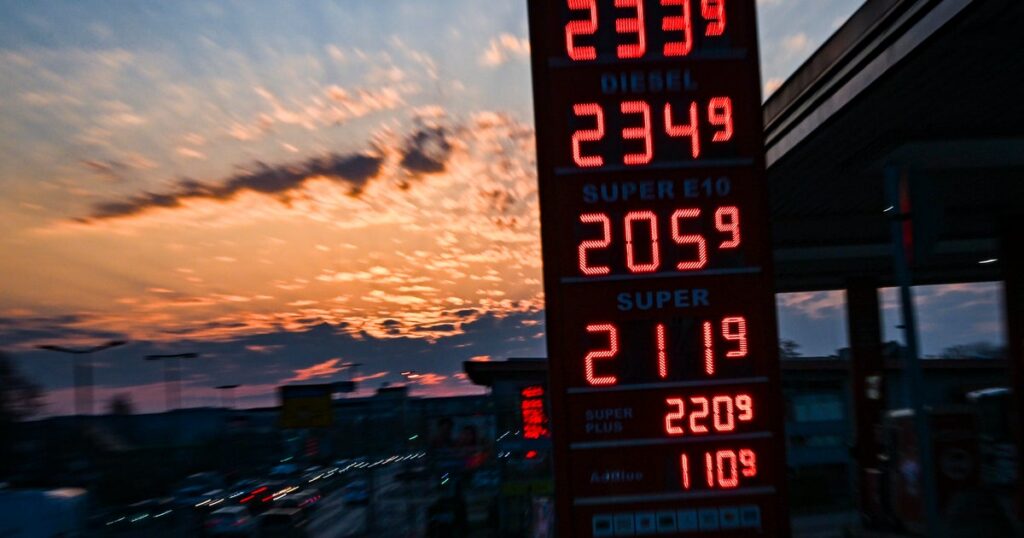
The conflict involving Iran has severely disrupted global oil supplies by blocking the Strait of Hormuz, a vital route for about 20% of the world’s oil shipments, with vessel traffic dropping drastically and Iran imposing tolls on passage. The International Energy Agency recommends reducing oil demand through measures like remote work and increased public transit use, but experts note challenges in changing American driving habits due to limited transit options and the cost of electric vehicles. Meanwhile, ongoing tensions have led to attacks on shipping vessels, and Iran insists on sovereignty over the strait as a condition for ending the conflict, signaling a long-term assertion of control.
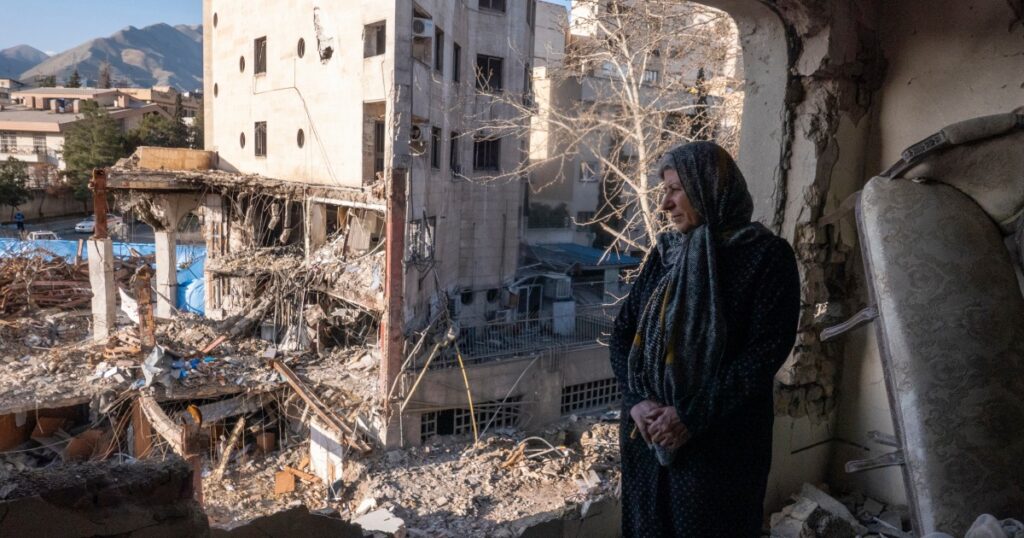
Tensions between the United States and Iran have sharply escalated over the closure of the strategic Strait of Hormuz, with the U.S. issuing an ultimatum threatening to target Iran’s energy infrastructure and Iran responding with warnings of retaliatory strikes on U.S. and Israeli assets. Military engagements have already occurred, causing significant disruptions to global oil supplies and surging prices, while international efforts to secure the strait face challenges due to Iran’s control over critical infrastructure through the IRGC. Experts warn that military action alone may not resolve the crisis and highlight the potential humanitarian risks of targeting energy infrastructure linked to civilian services, prompting calls for careful strategic decisions amid growing regional instability.
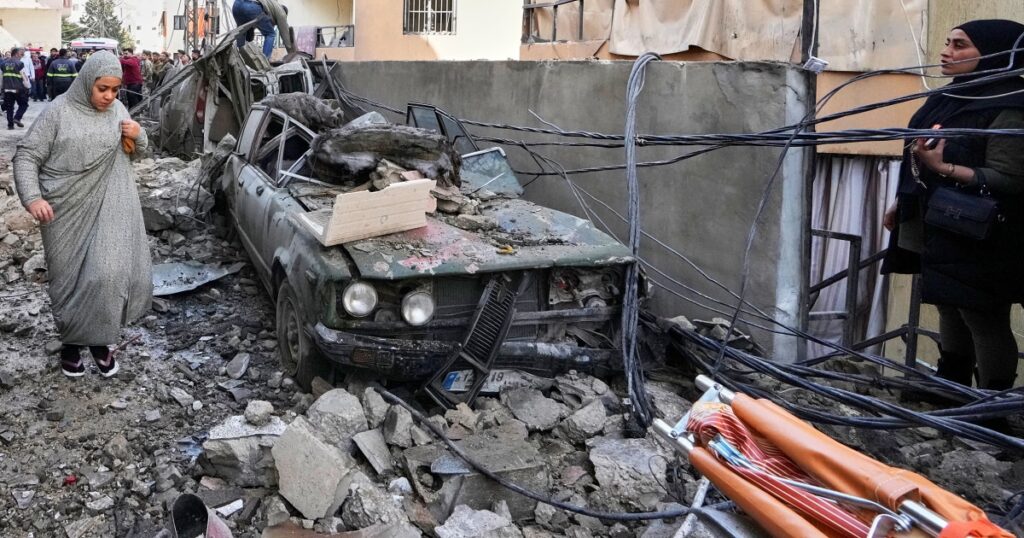
The Trump administration has been considering a high-risk operation involving the Joint Special Operations Command to seize Iran's enriched uranium stockpiles amid ongoing military efforts targeting Tehran and its allies. While initial U.S.-Israel campaigns focused on Iran's conventional military assets, the strategy has shifted toward preventing Iran from acquiring nuclear weapons, despite challenges posed by Iran's continued enrichment and regional counterattacks. Concurrently, escalating conflict in Lebanon, driven by Israeli strikes against Hezbollah and fears of a ground invasion, has displaced thousands and heightened tensions along the border, with uncertain prospects for a lasting resolution.
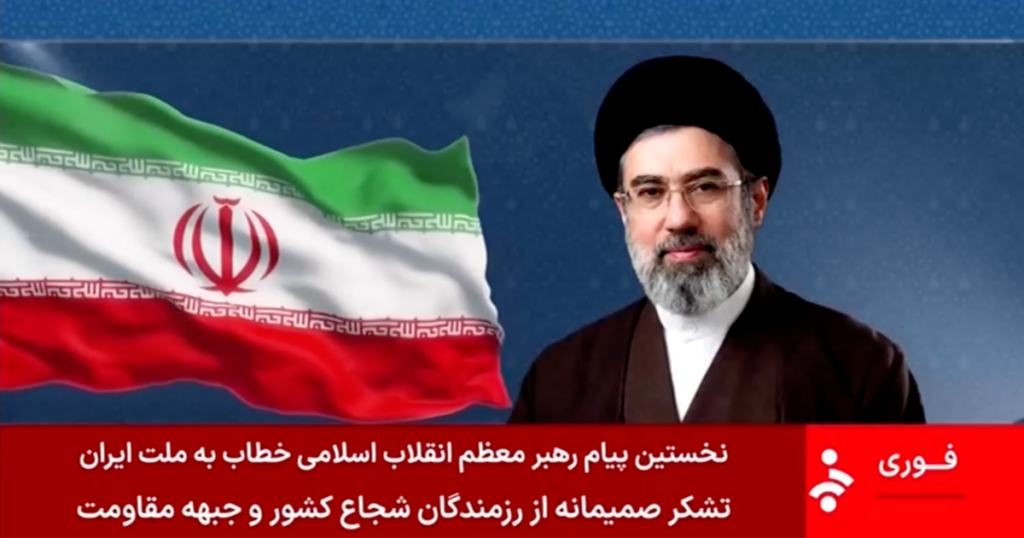
Iran’s newly appointed Supreme Leader, Ayatollah Mojtaba Khamenei, issued his first public statement reaffirming the blockade of the Strait of Hormuz and threatening attacks on neighboring countries hosting U.S. military bases. His statement was delivered without a direct appearance, fueling speculation about his health after being injured in recent U.S.-Israeli strikes, and signaling a hardline stance with continued support for proxy groups across the Middle East. Khamenei vowed revenge for Iranian casualties in the strikes and emphasized Iran’s commitment to disrupting global oil transit while expressing a desire for constructive regional relations.
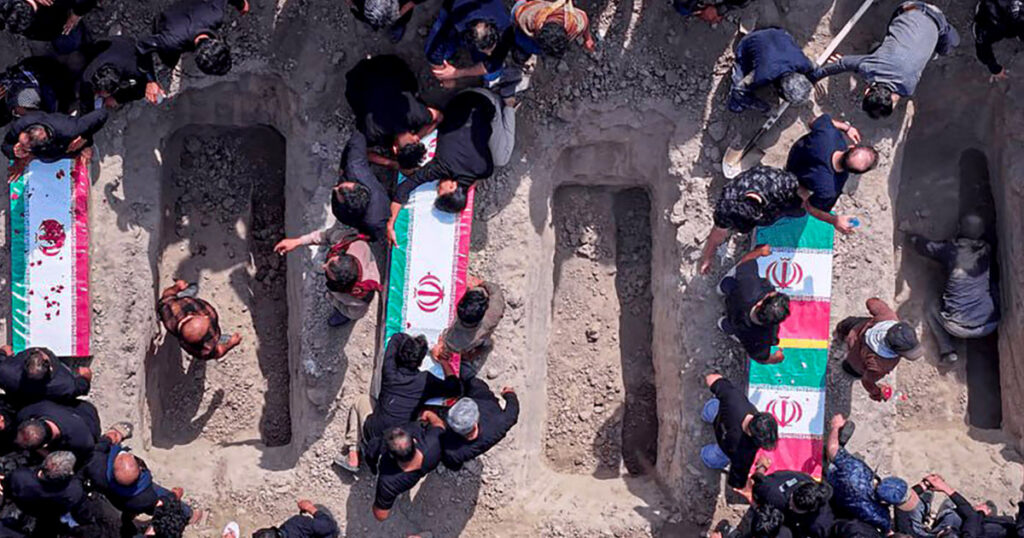
An internal U.S. military investigation preliminarily found that outdated intelligence led to a missile strike on an elementary school in Iran, killing over 170 civilians, mostly children, during a coordinated U.S.-Israeli operation. The strike mistakenly targeted the school, which had been inaccurately identified as a military site based on old intelligence, with evidence pointing to an American Tomahawk missile. Meanwhile, Iran retaliated with attacks killing six U.S. Army Reserve soldiers in Kuwait, escalating the ongoing conflict that the U.S. administration expects to continue for several weeks.