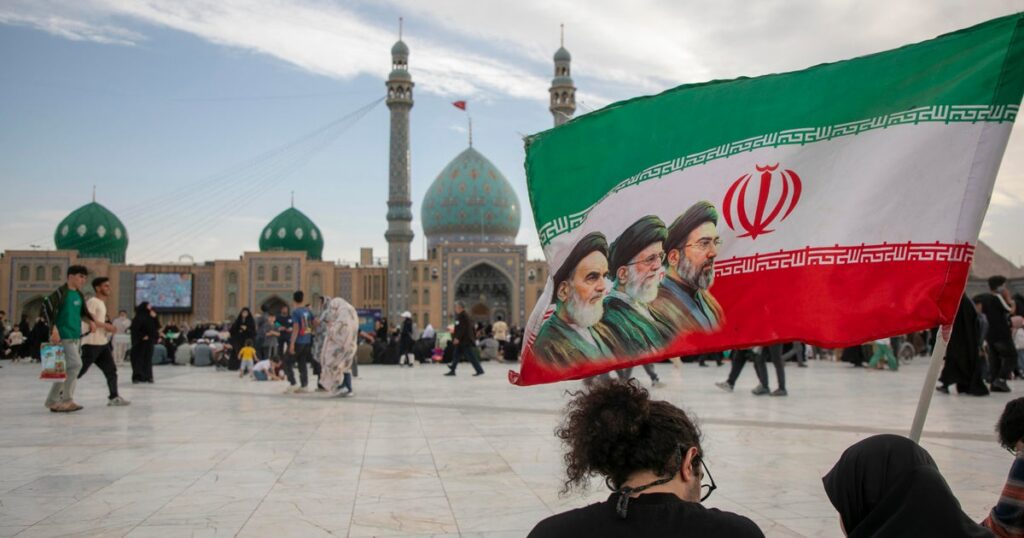
President Trump has not yet decided on a potential ceasefire deal with Iran that would reopen the Strait of Hormuz and address nuclear concerns. Negotiations remain ongoing amid conflicting reports from U.S. and Iranian officials.
Posts tagged as “The Iranian Foreign Ministry”
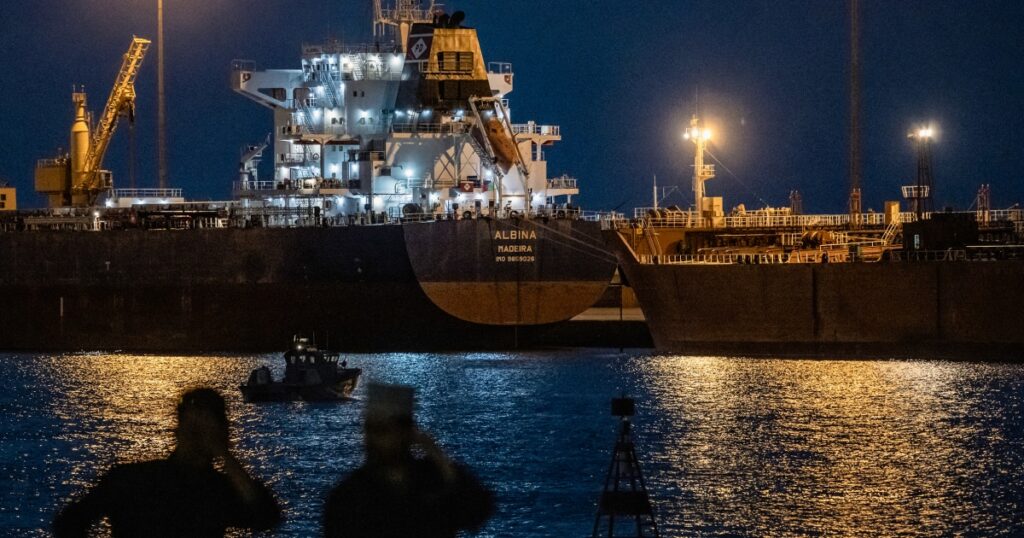
Global oil prices surged to new highs as escalating conflict between the United States, Israel, and Iran intensified missile and drone attacks across the Middle East, raising concerns about prolonged regional instability. Iran and its allied forces targeted Israeli infrastructure and U.S. military assets, while diplomatic efforts for resolution remain stalled amid threats of severe retaliation. The conflict has disrupted global energy markets, particularly impacting Asian oil supplies and driving U.S. gasoline prices to their highest levels since mid-2022, with experts warning of further price spikes and inflationary risks.
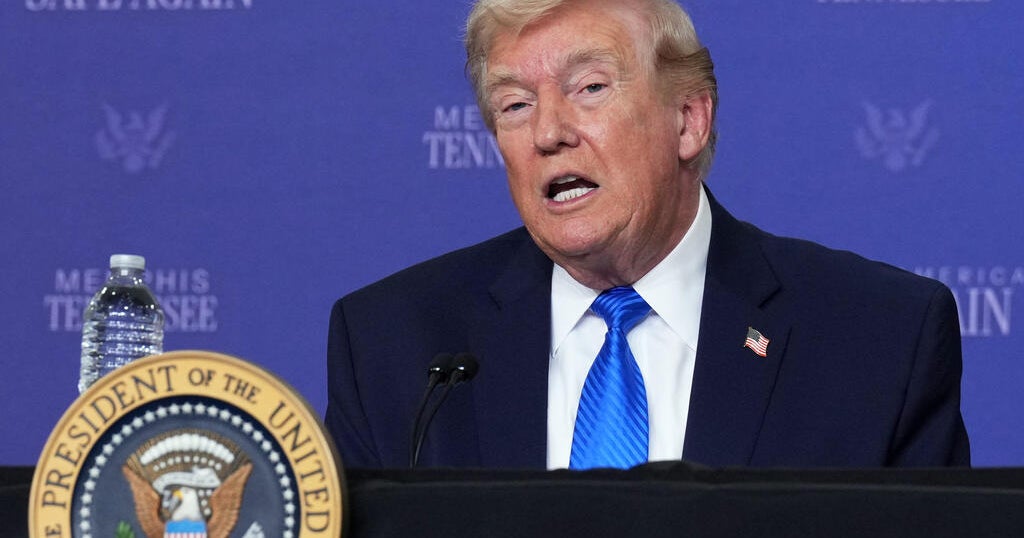
The United States has reportedly initiated indirect communications with Iran through mediators as preliminary steps toward potential negotiations, following President Trump’s remarks about possible agreements and a temporary military pause. Despite Iran’s initial denial of talks, both sides have identified points of agreement, raising hopes for de-escalation amid ongoing tensions and economic impacts such as fluctuating oil prices. However, key details of any deal remain unclear, including Iran’s nuclear intentions and the role of regional actors like Israel, while the U.S. explores incentives like releasing frozen assets to facilitate a resolution.
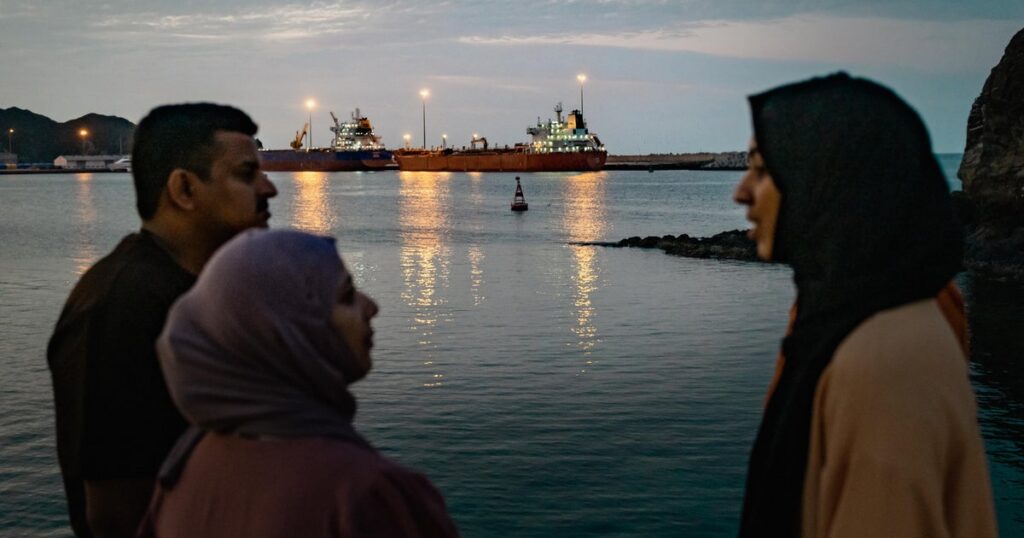
President Donald Trump postponed his ultimatum for Iran to reopen the Strait of Hormuz, citing ongoing "good and productive" negotiations amid escalating regional tensions and threats of military strikes. Iran denied direct talks with the U.S., accusing Washington of initiating the conflict and dismissing claims of missile attacks, while international markets reacted positively to the delay with rising stock futures and falling oil prices. The conflict has caused significant casualties in Iran, prompted internal crackdowns, and led to cautious diplomatic responses, with U.S. officials defending their hardline stance as necessary to de-escalate the situation.